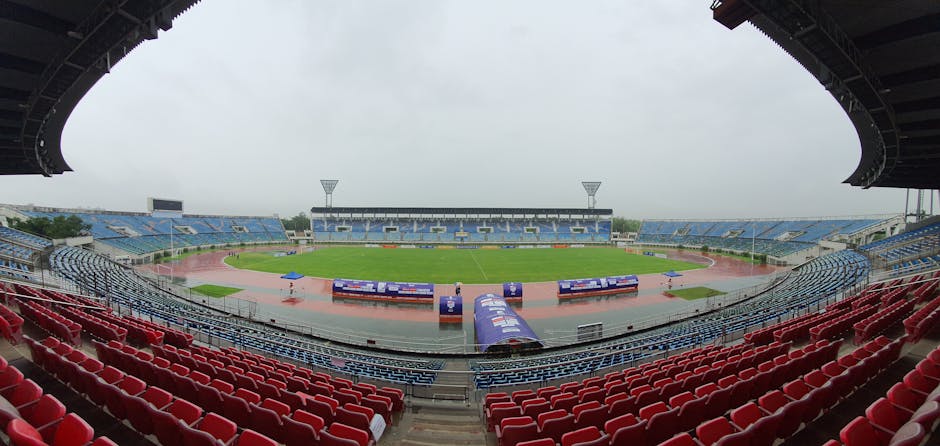
- Persistent rain delayed the start of the second women’s ODI between England and New Zealand at the County Ground in Northampton.
- The delay added an unwelcome variable to the match, impacting player readiness and team strategies.
- Ground staff and officials relied on real-time weather radar and drainage reports to assess the situation.
- The match was postponed due to wet outfield conditions and standing water on parts of the outfield.
- England and New Zealand had to wait for suitable conditions to resume the match, which was eventually delayed by two hours.
What happens when elite-level women’s cricket meets unpredictable British weather? That was the pressing question on everyone’s mind as fans gathered at the County Ground in Northampton for the second one-day international (ODI) between England and New Zealand. Scheduled to begin at 1pm BST, the match faced an extended delay due to persistent rain, leaving players, officials, and spectators in limbo. With both teams eager to build on the series momentum—England having narrowly won the first ODI—the weather added an unwelcome variable. How would the delay impact player readiness, team strategies, and ultimately, the outcome of the match? In a format where every over counts, even a two-hour holdup can shift the balance of power.
Why Was the Match Delayed?

The start of the second women’s ODI was officially postponed due to wet outfield conditions caused by consistent rainfall in the Northampton area. Ground staff worked diligently to cover the pitch and protect the playing surface, but standing water on parts of the outfield made it unsafe for play. Match referee and on-site meteorologists coordinated with both teams to assess the situation, relying on real-time weather radar and drainage reports. According to the International Cricket Council (ICC) playing conditions, a minimum of 20 overs per side must be bowled for a match to be considered valid, and with clouds showing no sign of clearing by early afternoon, officials had no choice but to wait. The delay pushed the potential start time to well past 3pm BST, compressing the game window and raising concerns about light levels later in the day.
What Evidence Supports the Delay Decision?

Meteorological data from the UK Met Office confirmed that Northampton received over 8 millimeters of rain in the two hours leading up to the scheduled start, well above the threshold for safe outfield conditions. Groundskeeping experts from the England and Wales Cricket Board (ECB) reported poor drainage in the northern quadrant of the field, which had been a recurring issue at the venue during previous matches. “We can’t risk player safety,” said ECB head groundsman Neil Symington in a statement released during the delay. “Slippery conditions increase the likelihood of injuries during quick turns or sprints.” Footage shared by The Guardian showed ground staff using sponges and water pumps to remove pooling, a labor-intensive process that underscored the severity. Historically, the County Ground has hosted limited international women’s fixtures, and critics argue that investment in drainage infrastructure has lagged compared to major test venues.
Are There Counterarguments to the Delay?

While player safety was the official justification, some fans and pundits questioned whether the delay could have been minimized with improved ground technology. Certain cricket stadiums, such as Edgbaston and Lord’s, utilize advanced subsurface drainage systems and hover covers that allow for quicker resumption of play. Critics argue that smaller venues like Northampton should either receive targeted upgrades or be excluded from high-stakes fixtures. Others noted that Sky Sports, which broadcast the match, was airing highlights of the 2017 Women’s World Cup final—featuring then-captain Heather Knight—as filler content, potentially influencing the network’s preference for a later start to maximize viewership. There is also a debate about whether neutral venues for women’s internationals should be held to the same infrastructure standards as men’s games, with advocates calling for equity in facility quality across all formats.
What Are the Real-World Implications?

The delay had immediate tactical consequences. England, planning to bat first under overcast conditions favorable to swing bowling, had to recalibrate their approach with the forecast predicting intermittent showers throughout the afternoon. New Zealand’s coaching staff expressed concern about managing workload for their pace bowlers, especially if the game were reduced to a shorter format. For fans who traveled long distances, the uncertainty led to frustration, with some leaving before play resumed. More broadly, the incident reignited discussions about the scheduling of women’s cricket during the British summer, when rain is a frequent disruptor. With the Women’s Ashes and upcoming ICC tournaments on the horizon, teams and organizers are under pressure to ensure that weather-related delays don’t undermine the growing popularity of the women’s game.
What This Means For You
If you’re a cricket fan, this delay highlights the importance of flexibility—both in scheduling and fan planning—when following live women’s internationals in the UK. It also underscores the need for continued investment in ground infrastructure to support gender equity in sports. As the women’s game gains prominence, logistical disparities between venues could affect competitiveness and viewing experience. Whether you’re watching live or on TV, expect more transparency from broadcasters and cricket boards about weather protocols and contingency plans.
Going forward, how can cricket authorities better align venue standards with the rising profile of women’s international matches? And should future ODIs be scheduled in regions with more reliable weather or upgraded facilities to prevent such disruptions? These questions will likely shape the next phase of development for women’s cricket in England.
Source: The Guardian