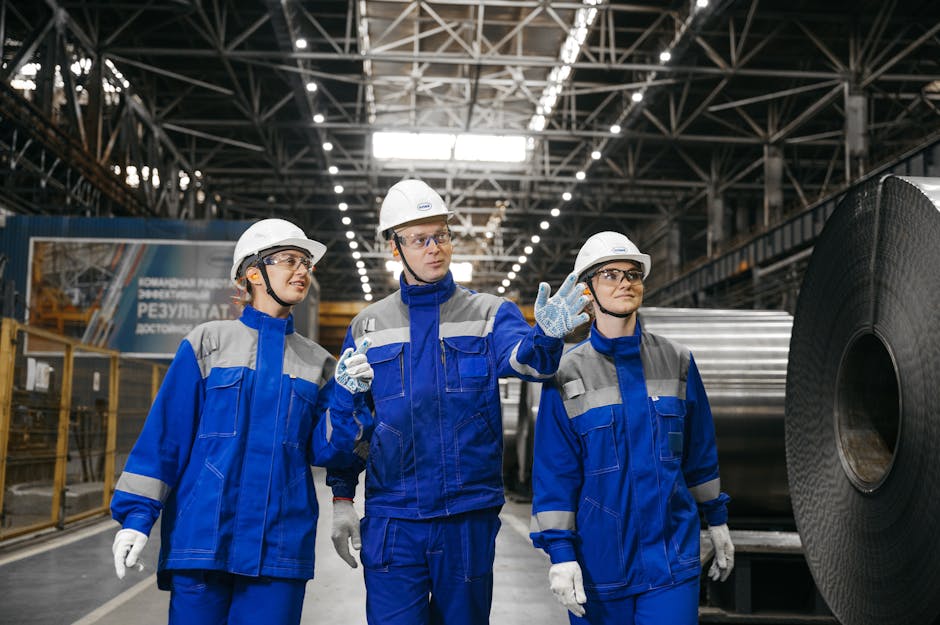
- AI is not replacing human workers, but rather augmenting and enhancing their capabilities.
- Automation may displace certain jobs, but also likely to create new ones in emerging industries.
- Up to 800 million jobs could be lost worldwide due to automation by 2030, according to McKinsey.
- New job categories may arise from AI-driven development, creating up to 140 million new roles by 2030.
- The impact of AI on employment will be complex, with both displacement and creation of new jobs.
As AI technology continues to advance, many people are left wondering if automation will eventually replace human workers. The question on everyone’s mind is: will AI make us obsolete? With machines and computers increasingly capable of performing tasks that typically require human intelligence, it’s natural to feel a sense of unease about the future of employment. The possibility of AI taking over jobs has sparked a heated debate about the role of automation in the workforce and its potential consequences for society.
Understanding the Impact of AI on Employment

The answer to this question lies in the fact that AI is not a replacement for human workers, but rather a tool designed to augment and enhance our capabilities. While it’s true that automation has the potential to displace certain jobs, it’s also likely to create new ones that we cannot yet anticipate. According to a report by the McKinsey Global Institute, up to 800 million jobs could be lost worldwide due to automation by 2030. However, the same report also suggests that up to 140 million new jobs could be created in the same time frame, resulting from the development of new industries and job categories that don’t exist yet.
Evidence from the Field: How AI is Changing the Nature of Work

Studies and data from various sources support the idea that AI is transforming the workforce, but not necessarily in a way that’s detrimental to human workers. For instance, a survey conducted by the Pew Research Center found that 77% of Americans believe that AI and automation will improve their overall quality of life, despite concerns about job displacement. Furthermore, experts in the field, such as Andrew Ng, co-founder of Coursera and former chief scientist at Baidu, argue that AI has the potential to create more jobs than it destroys, particularly in areas like healthcare, education, and scientific research.
Counter-Perspectives: The Dark Side of AI-Driven Automation

Not everyone shares the optimism about the impact of AI on employment. Some skeptics argue that the benefits of automation will largely accrue to business owners and shareholders, while workers will bear the brunt of job displacement. They point to examples like self-service kiosks in fast food restaurants and automated customer service systems, which have already replaced human workers in certain industries. Moreover, there are concerns about the potential for AI to exacerbate existing social inequalities, as those with the means to adapt to new technologies may be better positioned to thrive in an automated economy.
Real-World Consequences: The Future of Work in an AI-Driven World

The consequences of AI-driven automation are already being felt in various sectors, from manufacturing to transportation. For instance, the rise of self-driving cars and trucks has the potential to displace millions of jobs in the transportation industry, while also improving road safety and reducing traffic congestion. Similarly, the use of AI in healthcare has the potential to improve patient outcomes and reduce costs, but it also raises questions about the role of human healthcare professionals in an automated system. As AI continues to advance, it’s likely that we’ll see more examples of how automation is changing the nature of work and the economy.
What This Means For You
So, what can you do to prepare for an AI-driven future? The key is to develop skills that are complementary to automation, such as critical thinking, creativity, and emotional intelligence. By focusing on these areas, you can increase your chances of success in a rapidly changing job market. Additionally, it’s essential to stay informed about the latest developments in AI and automation, and to be open to lifelong learning and professional development.
As we move forward into an increasingly automated world, it’s natural to wonder what the future holds for human workers. Will we find new ways to work alongside machines, or will we succumb to the pressures of technological unemployment? One thing is certain: the rise of AI is a wake-up call for all of us to rethink our relationship with work and to prepare for a future that’s likely to be very different from the present. The question is, are we ready to embrace this change and to harness the potential of AI to create a better world for everyone?
Source: I