- Over 30% of tankers in the Strait of Hormuz experienced unexplained signal dropouts in the past six months.
- Vessels are deliberately disabling their Automatic Identification Systems (AIS) to avoid detection, posing a navigational hazard.
- The Strait of Hormuz is a critical maritime chokepoint, with 15% of global oil passing through it daily.
- Tensions between Iran and Western powers have intensified, leading to a shadow war of seizures and sabotage.
- The ‘going dark’ trend in the Strait of Hormuz may be a precursor to miscalculation in this volatile waterway.
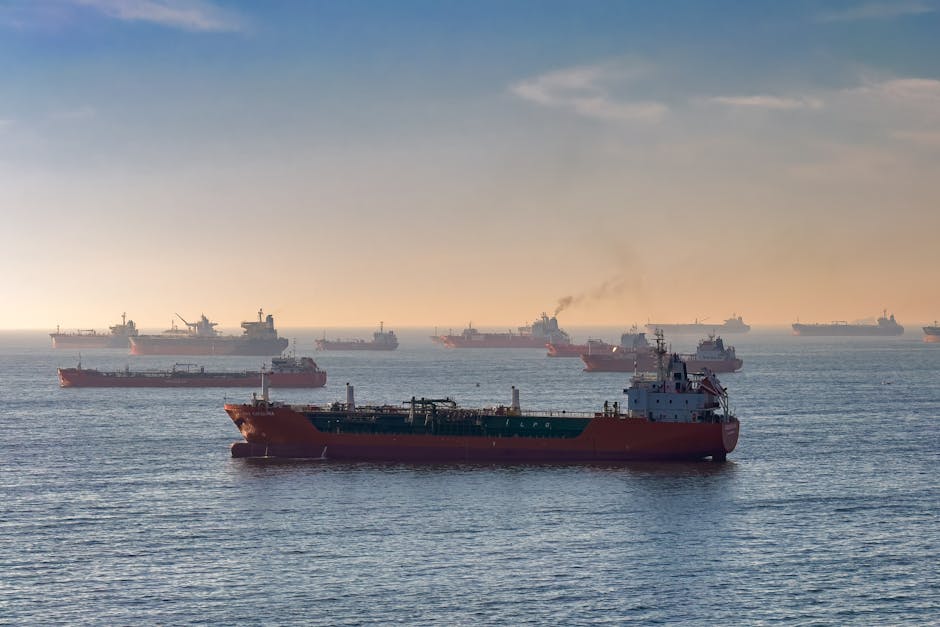
Each day, nearly 21 million barrels of oil transit through or near the Strait of Hormuz, making it the world’s most critical maritime chokepoint for energy supply. Yet, an alarming trend is unfolding: vessels are routinely disabling their Automatic Identification Systems (AIS), the very technology designed to prevent collisions and ensure safe passage. According to maritime intelligence firm Windward, over 30% of tankers moving through the strait in the past six months experienced unexplained signal dropouts, many lasting hours. This deliberate ‘going dark’ is not just a navigational hazard—it is a symptom of escalating distrust and a potential precursor to miscalculation in one of the world’s most volatile waterways. With Iran and Western powers locked in a shadow war of seizures and sabotage, the strait has become a high-stakes gamble where transparency is the first casualty.
Why the Silence Matters Now

The Strait of Hormuz, a 21-mile-wide channel separating Iran from Oman, has long been a flashpoint due to its strategic importance. Over a fifth of globally traded oil passes through it, supplying markets in Asia, Europe, and North America. In recent years, tensions between Iran and the United States, along with its allies, have intensified over nuclear ambitions, sanctions, and regional influence. Since the U.S. withdrawal from the 2015 nuclear deal in 2018, Iran has responded by intermittently restricting access and seizing vessels. In this climate, shipping companies and crew are increasingly wary. AIS signals, while intended for safety, also reveal a vessel’s identity, cargo, and location—data that could be exploited by hostile actors. As a result, operators are making the risky choice to switch off transponders, especially when approaching sensitive zones. This erosion of transparency undermines international maritime norms and complicates efforts by naval forces to monitor and de-escalate threats.
Who Is Going Dark and Why

Commercial tankers, particularly those linked to Western interests or carrying oil from Saudi Arabia or the UAE, are most likely to disable AIS as they near Iranian waters. In several documented cases, vessels have gone dark just before entering the strait and reappeared only after clearing it. In 2023, the UK Maritime Trade Operations (UKMTO) reported over 40 incidents of AIS anomalies in the region, many correlating with heightened Iranian naval activity. Iran itself has been accused of jamming signals and using its own vessels to mimic commercial traffic, further muddying the waters. Last June, a Marshall Islands-flagged tanker vanished from tracking systems for 12 hours before reappearing east of the strait—its owner later confirming the crew had switched off AIS on instruction due to security concerns. Meanwhile, Iranian oil exports, often carried on shadow fleets of aging tankers, routinely operate without transmitting data, enabling sanctions evasion.
Behind the Blackout: Risk, Strategy, and Miscalculation

The decision to go dark is not made lightly. Maritime experts warn that disabling AIS increases the risk of collisions, especially in a narrow, congested waterway with strong currents and limited maneuvering room. In 2018, two tankers collided near the strait under poor visibility, a scenario that could become more common as vessels lose situational awareness. But the calculus for ship operators has shifted: the threat of interception or attack now outweighs traditional safety concerns. A study by Reuters found that vessels flying neutral or non-aligned flags were 60% less likely to experience disruptions, suggesting a strategic game of maritime camouflage. Furthermore, the lack of reliable tracking data hampers the ability of international coalitions, such as the U.S.-led Combined Maritime Forces, to respond swiftly to incidents. This opacity benefits actors seeking deniability—whether it’s Iran harassing a tanker or a private operator smuggling oil.
Global Consequences of a Dark Strait

The implications extend far beyond the Gulf. Insurance premiums for vessels transiting the strait have risen by as much as 250% during crisis periods, according to the International Union of Marine Insurance. These costs are ultimately passed on to consumers, contributing to energy price volatility. More critically, the erosion of maritime transparency sets a dangerous precedent. If major shipping lanes become zones of deliberate invisibility, it undermines the entire framework of global trade security. Ports, insurers, and navies rely on predictable, traceable movements to function efficiently. When ships vanish, the fog of war thickens—even in peacetime. Countries dependent on energy imports, such as India, Japan, and South Korea, are particularly vulnerable to disruptions. Any major incident—a collision, a hijacking, or a sinking—could trigger a spike in oil prices and prompt military responses, potentially spiraling into broader conflict.
Expert Perspectives
Analysts are divided on how to respond. Dr. Sarah Kenyon-Larsen of the International Institute for Strategic Studies argues that ‘mandatory AIS use with diplomatic protections’ is essential to restore trust. Others, like naval historian Dr. James Goldrick, caution that ‘no amount of technology can overcome the fundamental lack of political trust in the region.’ Meanwhile, some shipping executives privately admit that going dark is now standard operating procedure in high-risk zones, despite the dangers. The International Maritime Organization has issued guidelines but lacks enforcement power, leaving the burden on individual states and companies.
Looking ahead, the path to safer passage lies not in technology alone, but in diplomacy. Reinstating confidence in the 2015 nuclear deal or establishing a neutral monitoring mechanism for the strait could reduce the incentive for vessels to disappear. Until then, the Strait of Hormuz will remain a theater of shadows, where the silence between signals may be the loudest warning of all.
Source: The New York Times