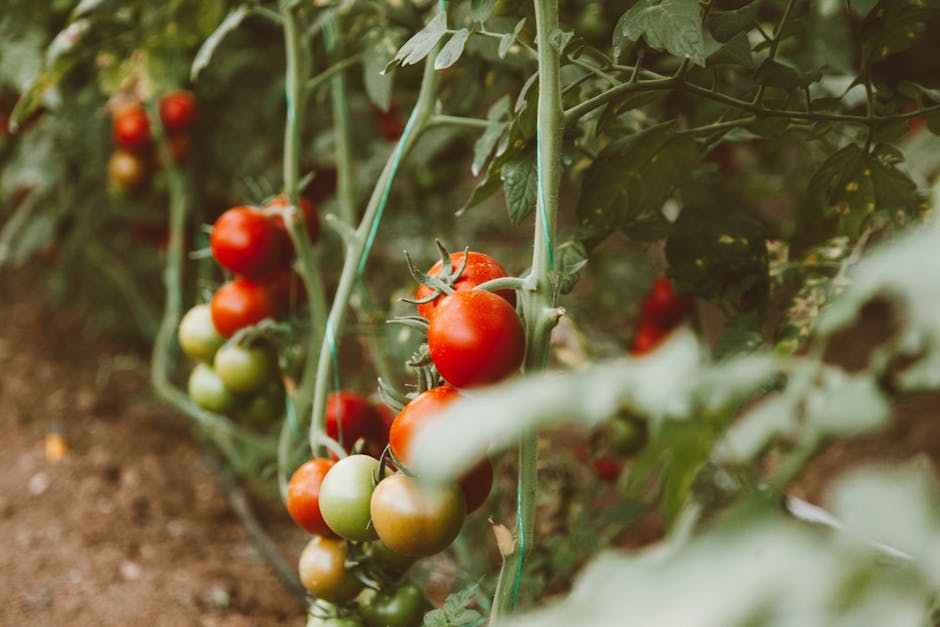
- Young nonsmokers who consume high-pesticide produce may be at a higher risk of developing lung cancer.
- Frequent consumption of fruits and vegetables with high pesticide residue levels may contribute to early-onset lung cancer.
- A recent longitudinal cohort study found a 31% increased risk of lung cancer among those consuming high-pesticide produce.
- The study analyzed dietary patterns in 12,470 adults aged 25-50 across five countries and identified a dose-response relationship.
- Lung cancer rates among young nonsmokers are rising unexpectedly, with potential links to food safety and agricultural practices.
Recent findings from a longitudinal cohort study suggest that frequent consumption of fruits and vegetables with high levels of pesticide residues may be associated with a heightened risk of early-onset lung cancer in nonsmokers. While diets rich in plant-based foods have long been championed for their protective health effects, this emerging evidence points to a paradox: the very items considered healthful may carry invisible risks. The study, though limited in scope, raises urgent questions about food safety standards, agricultural practices, and long-term public health implications, particularly as lung cancer rates among younger populations who have never smoked continue to rise unexpectedly.
Pesticide Residue Levels and Cancer Incidence

The study, published in Nature Medicine in April 2026, analyzed dietary patterns and cancer outcomes in 12,470 adults aged 25 to 50 across five countries, with a focus on nonsmokers diagnosed with lung adenocarcinoma before age 50. Researchers from the Harvard T.H. Chan School of Public Health and the International Agency for Research on Cancer (IARC) found that participants who consumed the highest amounts of fruits and vegetables classified as having ‘high pesticide residue’—such as spinach, peppers, strawberries, and apples—were 31% more likely to develop lung cancer compared to those who ate low-residue produce like avocados, sweet corn, and pineapples. The data showed a dose-response relationship: for every additional daily serving of high-residue produce, the risk increased by 8%. These findings remained significant after adjusting for environmental pollutants, secondhand smoke, and genetic predisposition. The team cross-referenced consumption patterns with U.S. Environmental Protection Agency (EPA) and European Food Safety Authority (EFSA) residue monitoring data to classify each food item’s contamination level.
Key Players and Institutional Responses

The research was led by Dr. Elena Torres of IARC, a WHO-affiliated agency known for its cancer classification work, and supported by funding from the National Institutes of Health and the European Commission’s Horizon Health program. Their findings have triggered responses from regulatory bodies: the EPA has announced a review of current tolerance levels for chlorpyrifos and malathion, two organophosphate pesticides detected in high concentrations on sampled produce. Meanwhile, the U.S. Food and Drug Administration (FDA) has expanded its Pesticide Residue Monitoring Program to include more frequent testing of foods commonly consumed by young adults. Consumer advocacy groups like the Environmental Working Group (EWG) have renewed calls for stricter labeling, citing their annual ‘Dirty Dozen’ list, which identifies produce with the highest pesticide loads. In contrast, agricultural industry representatives argue that current residue levels are within safe limits and emphasize the nutritional benefits of increased fruit and vegetable intake.
Trade-Offs Between Nutrition and Contamination

The study underscores a growing public health dilemma: balancing the well-documented benefits of plant-rich diets against potential chemical risks. Fruits and vegetables are linked to lower rates of heart disease, diabetes, and several cancers, including colorectal and stomach malignancies. However, the presence of persistent, low-dose pesticides—many of which are endocrine disruptors or genotoxic agents—may counteract some advantages in vulnerable subpopulations. The researchers stress that their findings do not warrant reduced consumption of produce but instead call for better regulation and consumer guidance. Organic alternatives, while typically lower in pesticide residues, remain inaccessible to many due to cost and availability. Additionally, washing and peeling can reduce but not eliminate certain systemic pesticides absorbed by plants during growth. The trade-off is not between eating produce or not, but how it is grown, regulated, and labeled.
Why the Timing Matters Now

The concern is heightened by a noticeable rise in lung cancer cases among young nonsmokers, a trend observed in recent years across North America, Europe, and East Asia. Data from the World Health Organization shows that lung adenocarcinoma incidence in never-smokers has increased by 2.5% annually since 2015, now accounting for over 15% of all lung cancer diagnoses in high-income countries. This shift defies traditional models where smoking was the dominant risk factor. Concurrently, global pesticide use has risen by nearly 26% over the past decade, with intensive farming practices increasingly reliant on chemical inputs. The convergence of these trends—rising cancer rates in a low-risk group and widespread environmental exposure to agricultural chemicals—has created the conditions for this study’s alarming findings to gain scientific and policy traction.
Where We Go From Here
Over the next 6 to 12 months, three plausible scenarios could unfold. First, regulatory agencies may tighten permissible pesticide levels and mandate clearer labeling, prompting shifts in farming practices and consumer behavior. Second, the produce industry could accelerate adoption of integrated pest management and biopesticides to reduce chemical reliance. Third, if further studies fail to replicate the association, the findings may be downgraded to a hypothesis requiring more evidence, potentially delaying policy action. Regardless, public health messaging will need to evolve to address nuance—promoting produce consumption while acknowledging contamination risks. Investment in biomonitoring and exposure tracking will likely increase, and clinical guidelines may begin to include dietary chemical history in cancer risk assessments.
Bottom line — while fruits and vegetables remain essential to a healthy diet, this study reveals that unchecked pesticide exposure may be contributing to a silent rise in lung cancer among the young and nonsmoking, demanding immediate scrutiny of food safety standards.
Source: Healthline