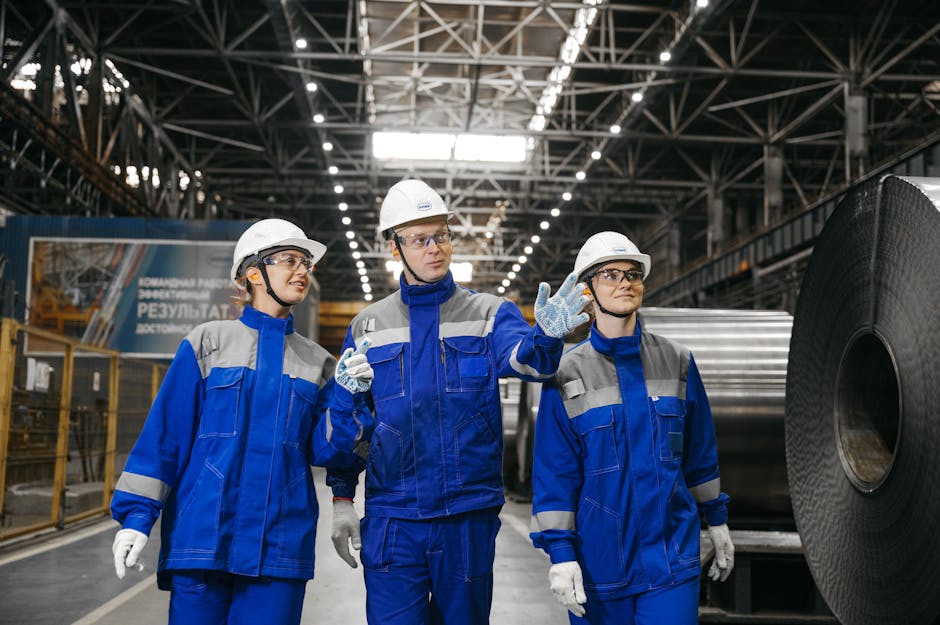
- Mothers with high workplace exposure to toxic chemicals may face a higher risk of having a child with autism spectrum disorder.
- Prolonged exposure to solvents, pesticides, heavy metals, or combustion byproducts during pregnancy can impact neurodevelopmental trajectory.
- High-stress jobs during pregnancy, often accompanied by inadequate work conditions, may also contribute to autism risk.
- Research suggests a link between maternal workplace hazards and increased autism diagnoses in children.
- Further studies are needed to fully understand the relationship between workplace exposure and autism risk.
In a quiet manufacturing plant on the outskirts of Detroit, Maria Lopez, then 28 and seven months pregnant, spent her days handling adhesives and solvents without ventilation or protective gear. She often worked 12-hour shifts, her body aching from prolonged standing, her mind racing with production deadlines. At the time, she believed her job was simply demanding—not dangerous. Years later, when her son was diagnosed with autism spectrum disorder (ASD) at age three, she wondered if those months of exposure had played a role. She wasn’t alone in her suspicion. A growing body of research now suggests that the conditions in which mothers work during pregnancy—particularly exposure to toxic chemicals and sustained stress—may significantly influence the neurodevelopmental trajectory of their children, with new findings pointing to a measurable increase in autism risk.
Workplace Hazards and Rising Autism Diagnoses

According to a study published in the journal Occupational & Environmental Medicine, mothers employed in high-exposure or high-stress jobs during pregnancy face a notably elevated risk of having a child diagnosed with autism spectrum disorder. Researchers analyzed data from over 300,000 mother-child pairs across multiple U.S. states, tracking maternal employment conditions, chemical exposure, job strain, and child developmental outcomes. The results showed that women regularly exposed to solvents, pesticides, heavy metals, or combustion byproducts at work had a 30% higher likelihood of having a child with ASD. Even more striking, those in high-stress roles—defined by high demands and low control—saw a 28% increased risk. The study controlled for socioeconomic status, maternal age, and genetic predisposition, reinforcing the environmental contribution to autism risk. These findings underscore prenatal workplace conditions as a modifiable factor in neurodevelopmental health, a realm previously overshadowed by genetic explanations.
The Hidden History of Environmental Autism Research

For decades, autism research centered almost exclusively on genetics, with twin studies suggesting heritability rates as high as 80%. But as autism diagnoses have risen—from 1 in 150 children in 2000 to 1 in 36 in 2023, according to the CDC—the scientific community has increasingly turned to environmental triggers to explain the surge. Early clues emerged in the 2010s, when studies linked maternal proximity to agricultural pesticide use with increased ASD risk. Subsequent research examined air pollution, maternal infection, and nutritional deficits. However, occupational exposure remained understudied, in part because workplace conditions are difficult to quantify and vary widely by industry. This new study breaks ground by systematically categorizing job types using the National Institute for Occupational Safety and Health (NIOSH) exposure database, allowing researchers to map specific hazards to developmental outcomes. The shift reflects a broader evolution in public health thinking: that genes may load the gun, but environment pulls the trigger.
The Scientists and Advocates Behind the Data

Dr. Sarah Bennitt, an environmental epidemiologist at Boston University and lead author of the study, spent five years compiling occupational histories and neurodevelopmental records. “We’ve long known that the prenatal period is a window of extreme vulnerability,” she said in an interview with Reuters. “The brain is developing rapidly, and toxicants can disrupt neural migration, synapse formation, and hormonal signaling.” Her team collaborated with occupational health specialists and developmental pediatricians to ensure accurate exposure classification. Meanwhile, advocacy groups like the Autism Environmental Research Organization have pushed for greater scrutiny of workplace safety for pregnant workers. “Pregnant women in manufacturing, agriculture, healthcare, and cleaning services are often invisible in policy discussions,” said activist Elena Ruiz. “This research gives them evidence to demand protection.”
Implications for Workers, Employers, and Policy

The findings carry significant implications for public health and labor policy. For expectant mothers, the study highlights the need for workplace risk assessments and accommodations during pregnancy, similar to those offered for physical safety. Employers in high-risk industries may face growing pressure to implement protective measures, such as improved ventilation, reduced shift lengths, and alternative duty options. On a regulatory level, the U.S. lacks comprehensive protections for pregnant workers exposed to neurotoxicants—unlike countries like Sweden and France, where occupational health laws mandate reassignment or reduced exposure. The CDC currently advises minimizing exposure to environmental toxins during pregnancy, but without enforceable standards. This study may bolster calls for legislation like the Pregnant Workers Fairness Act, recently enacted in several states, which requires reasonable accommodations for pregnant employees.
The Bigger Picture
Beyond autism, the research fits into a larger narrative about how social and environmental inequities become biologically embedded. Women in low-wage, high-exposure jobs—often women of color and immigrants—are disproportionately affected, revealing a stark intersection of occupational health and reproductive justice. The brain development of the next generation is, in part, shaped by the working conditions of the present. As science continues to unravel the complex origins of neurodevelopmental disorders, it becomes harder to ignore the role of preventable environmental harms. This is not just a medical issue, but a moral one.
What comes next may depend on whether policymakers, employers, and healthcare providers act on this evidence. While genetics remain important, the power to reduce autism risk may lie not only in genes but in garages, factories, fields, and offices. Protecting pregnant workers isn’t just a labor issue—it’s a foundational step in building a healthier, more equitable future for all children.
Source: MedicalXpress