- Robert F. Kennedy Jr. has been secretly investigating vaccine safety and efficacy despite being ordered to tone down public criticism.
- A team of scientists and researchers is working to uncover new information, pouring over existing data and conducting new studies.
- The research effort is gaining momentum, with key facts emerging on the need for robust vaccine safety monitoring and addressing vaccine hesitancy.
- The issues at stake are more nuanced and multifaceted than previously thought, with significant implications for public health policy.
- Kennedy’s inquiry is driven by persistent questions about vaccine safety and efficacy, rather than personal opinions or agendas.
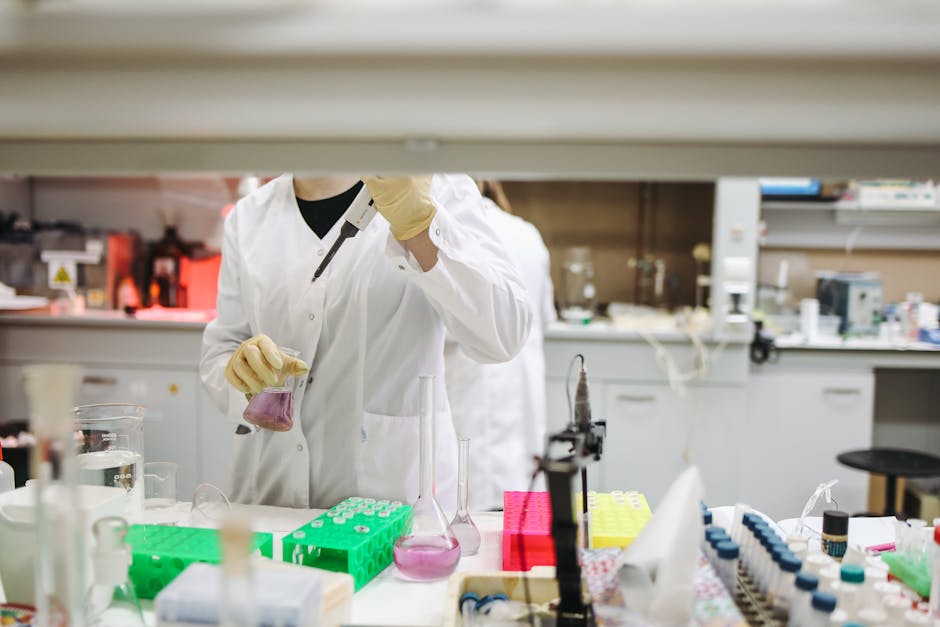
The streets are empty, the microphones are silent, and the tweets have stopped. Robert F. Kennedy Jr., the Health Secretary, has gone quiet on his controversial vaccine views, following orders from the White House to tone down his public criticism. But behind the scenes, a different story is unfolding. Inside the Health Department, a sprawling research effort is underway, driven by Kennedy’s persistent questions about vaccine safety and efficacy. The inquiry, which has been ongoing for months, has become a top priority for the department, with a team of scientists and researchers working tirelessly to uncover new information.
The Current State of the Inquiry

Despite Kennedy’s public silence, the research effort is gaining momentum. The team has been pouring over existing data, conducting new studies, and collaborating with external experts to better understand the complex relationships between vaccines, public health, and individual well-being. Key facts are beginning to emerge, including the need for more robust vaccine safety monitoring and the importance of addressing vaccine hesitancy through education and community outreach. As the inquiry progresses, it is becoming clear that the issues at stake are far more nuanced and multifaceted than previously thought, with significant implications for the future of public health policy.
A History of Controversy

The story behind the story is one of controversy and debate. Kennedy’s vocal criticism of vaccines has been a lightning rod for criticism, with many in the medical community accusing him of promoting misinformation and endangering public health. However, Kennedy and his supporters argue that he is simply seeking to uncover the truth and ensure that vaccines are safe and effective for all. The historical context is complex, with decades of scientific research and debate surrounding vaccine development, testing, and distribution. As the inquiry delves deeper into the archives, it is becoming clear that the issues at stake are not new, but rather a continuation of long-standing concerns and uncertainties.
The Key Players

So, who is shaping this inquiry, and what are their motivations? Kennedy, of course, is the driving force, but he is not alone. A team of dedicated researchers and scientists is working alongside him, fueled by a desire to understand the truth and improve public health outcomes. External experts, including epidemiologists, immunologists, and public health specialists, are also contributing to the effort, bringing their expertise and insights to the table. As the inquiry progresses, it is becoming clear that the motivations of those involved are not solely driven by politics or ideology, but rather by a genuine commitment to advancing knowledge and protecting public health.
Consequences and Implications

So, what does this mean for stakeholders, including the public, healthcare professionals, and the vaccine industry? The implications are significant, with potential consequences for vaccine development, distribution, and regulation. If the inquiry uncovers new information about vaccine safety or efficacy, it could lead to changes in public health policy, including revised vaccine recommendations or increased funding for vaccine research. The stakes are high, with the potential for improved public health outcomes, but also risks and challenges, including the potential for misinformation and decreased vaccine uptake.
The Bigger Picture
Why does this matter in a broader context? The inquiry into vaccines is not just about a specific public health issue; it is also about the integrity of science, the role of government in regulating public health, and the complex relationships between individuals, communities, and the state. As global health authorities and national health agencies grapple with the challenges of vaccine development and distribution, the need for transparency, accountability, and evidence-based decision-making has never been more pressing. The inquiry is a reminder that, in the pursuit of public health, we must always prioritize the truth, even when it is difficult or inconvenient.
In the end, what comes next is uncertain. Will the inquiry lead to significant changes in public health policy, or will it simply confirm existing knowledge and practices? One thing is clear: the debate over vaccines is far from over, and the need for ongoing research, critical thinking, and open-minded inquiry has never been more urgent. As the Health Department continues its work, the public waits with bated breath, eager to learn more about the complex and often contentious world of vaccines.
Source: The New York Times