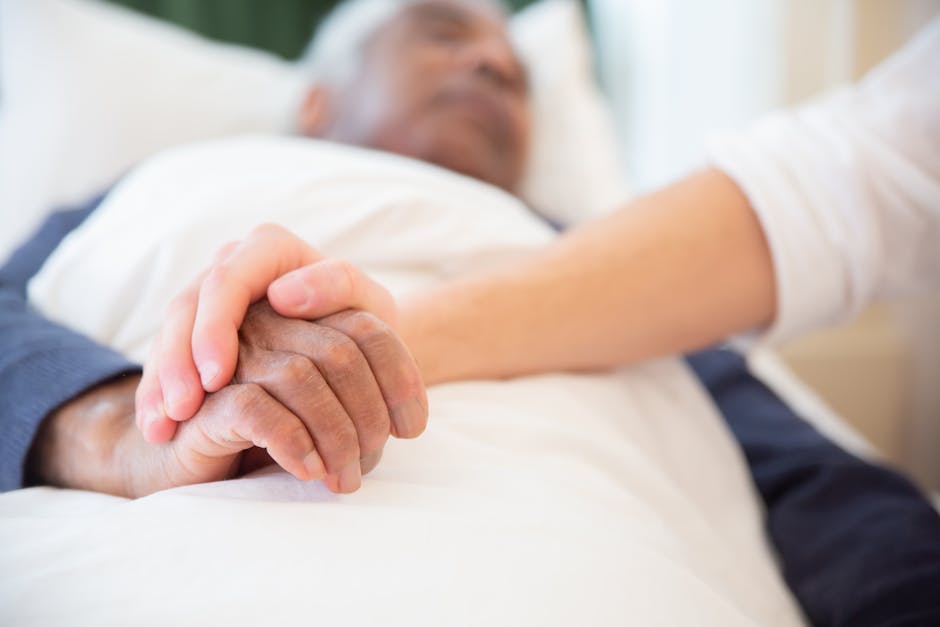
- Nicole Kidman’s decision to become a death doula sheds light on the importance of end-of-life care in the healthcare system.
- The current state of end-of-life care is complex and often inaccessible to those who need it, with millions lacking access to palliative care worldwide.
- Death doulas aim to provide compassionate and personalized support to individuals and families during the final stages of life.
- Kidman’s pursuit of a death doula career is a personal tribute to her mother and a testament to her commitment to advocating for end-of-life care.
- Death doulas are not new, but the modern movement has gained momentum over the past few decades with increased recognition of their value.
The announcement from Nicole Kidman that she is training to become a death doula has sent shockwaves throughout the entertainment industry and beyond. As the actress navigates this new path, her decision is shedding light on a crucial aspect of healthcare that often goes unaddressed: end-of-life care. With her mother’s passing still a recent memory, Kidman’s pursuit of this unique profession is not only a personal tribute but also a testament to her commitment to advocating for those in their final stages of life.
Current State of End-of-Life Care

The current state of end-of-life care is a complex and multifaceted issue, with many individuals and families facing significant challenges in accessing quality support during this difficult time. According to the World Health Organization, millions of people worldwide lack access to palliative care, which can greatly improve the quality of life for patients with serious illnesses. Kidman’s decision to train as a death doula highlights the need for more compassionate and personalized approaches to end-of-life care.
Historical Context of Death Doulas

The concept of death doulas, also known as end-of-life doulas, has its roots in the ancient practice of accompanying the dying. However, the modern death doula movement has gained significant momentum over the past few decades, with the establishment of organizations such as the International End-of-Life Doula Association. These organizations provide training and support for individuals who wish to become death doulas, enabling them to offer emotional, spiritual, and practical support to patients and their families during the dying process.
Key Players in the Death Doula Movement

Nicole Kidman is not the only high-profile individual to advocate for improved end-of-life care. Other notable figures, such as Dr. Atul Gawande, have also spoken out about the need for more compassionate and personalized approaches to end-of-life care. As the death doula movement continues to gain momentum, it is likely that we will see more individuals from various backgrounds and professions becoming involved and advocating for change.
Consequences of Improved End-of-Life Care

The consequences of improved end-of-life care are far-reaching and can have a significant impact on patients, families, and healthcare systems as a whole. By providing more compassionate and personalized support, death doulas can help to reduce stress and anxiety, improve pain management, and increase patient satisfaction. Furthermore, the death doula movement has the potential to challenge traditional notions of death and dying, promoting a more open and honest discussion about the end of life.
The Bigger Picture
The death doula movement is part of a larger conversation about the need for more holistic and patient-centered approaches to healthcare. As the global population ages and the prevalence of chronic illnesses increases, it is essential that we prioritize the development of supportive and compassionate care models that address the physical, emotional, and spiritual needs of patients and their families. By advocating for improved end-of-life care, Nicole Kidman and other death doulas are contributing to a broader cultural shift that values compassion, empathy, and dignity at all stages of life.
As Nicole Kidman embarks on her journey as a death doula, her decision is likely to inspire others to explore this vital profession. As we move forward, it is essential that we continue to raise awareness about the importance of end-of-life care and the role that death doulas can play in supporting patients and families during this difficult time. By working together, we can create a more compassionate and supportive environment for those nearing the end of life, and ensure that their final days are filled with dignity, love, and care.
Source: Healthline