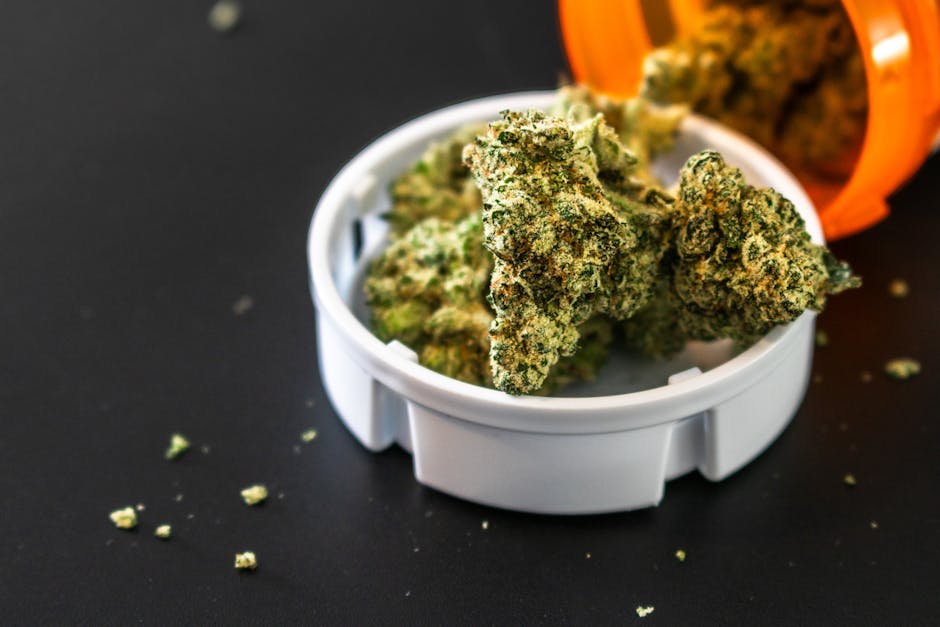
- Medical cannabis has been reclassified from a Schedule I substance to Schedule III, acknowledging its therapeutic value under professional supervision.
- The reclassification applies only to state-licensed medical marijuana, not recreational use, preserving federal oversight.
- This shift does not equate to full federal legalization of medical marijuana, but rather a nuanced change in federal policy.
- The reclassification is expected to increase access for patients with chronic conditions who use medical marijuana under state programs.
- Federal drug policy remains complex, with state and federal laws still in tension regarding medical marijuana use.
Is medical cannabis now legal across the United States? That’s the urgent question on the minds of patients, doctors, and advocates after President Trump signed an executive order reclassifying state-licensed medical marijuana as a less dangerous drug under federal law. While many are celebrating this as a landmark shift, the reality is more nuanced. Federal drug policy has long classified cannabis as a Schedule I substance—on par with heroin—deeming it to have no medical value and a high potential for abuse. This reclassification signals a dramatic reversal, but it doesn’t equate to full federal legalization. So what exactly has changed, and what does it mean for the millions of Americans using medical marijuana under state programs?
What the Reclassification Actually Means

The executive order directs the Drug Enforcement Administration (DEA) to move state-licensed medical cannabis from Schedule I to Schedule III of the Controlled Substances Act, a category that includes drugs like ketamine and certain anesthetics with accepted medical use and moderate to low potential for dependence. This reclassification acknowledges, for the first time at the federal level, that medical cannabis has therapeutic value when used under professional supervision. Importantly, it applies only to cannabis used in compliance with state medical marijuana laws, not recreational use. This distinction preserves federal oversight while allowing greater access for patients with chronic pain, epilepsy, cancer-related symptoms, and other qualifying conditions. The move also opens the door for more clinical research, as Schedule III status reduces regulatory barriers for scientists studying cannabis’s efficacy and safety.
Scientific and Regulatory Support for Change

Backing for reclassification has been building for years. In 2023, the Department of Health and Human Services (HHS) completed a scientific review concluding that cannabis should no longer be classified as Schedule I, citing growing evidence of its medical benefits. The World Health Organization’s Expert Committee on Drug Dependence has similarly recommended rescheduling due to demonstrated therapeutic potential. According to a comprehensive report by the National Academies of Sciences, Engineering, and Medicine, there is substantial evidence that cannabis is effective in treating chronic pain, chemotherapy-induced nausea, and muscle spasms in multiple sclerosis patients. The study analyzed over 10,000 scientific abstracts to reach these conclusions. Additionally, 38 states and the District of Columbia already have legal medical cannabis programs, creating a growing disconnect between state practice and federal classification that the administration sought to reconcile.
Opposition and Ongoing Legal Concerns

Despite momentum, skepticism remains. Some public health experts warn that reclassifying cannabis—even for medical use—could inadvertently normalize drug use or weaken prevention efforts, particularly among youth. The American Academy of Pediatrics has historically opposed loosening cannabis restrictions, citing concerns about adolescent brain development. Law enforcement agencies, including the DEA, have expressed reservations about implementing the change, noting logistical challenges in distinguishing between state-licensed medical use and illegal distribution. Moreover, cannabis remains illegal under international drug treaties, which could complicate U.S. compliance. Legal scholars also point out that the executive order does not override existing statutes; only Congress can fully deschedule or legalize cannabis. As such, the reclassification may face legal challenges or require additional rulemaking before it takes full effect, creating uncertainty for patients and providers navigating overlapping jurisdictions.
Real-World Impacts on Patients and Providers

For patients in states with robust medical programs, the reclassification could improve access and reduce stigma. Doctors may feel more comfortable recommending cannabis knowing it’s no longer federally deemed as dangerous as heroin. Pharmacies and clinics could begin integrating medical cannabis into treatment plans with greater confidence. Financially, moving to Schedule III may allow businesses in the medical cannabis sector to claim standard tax deductions, which were previously denied under Schedule I status—a change that could lower costs for patients. Research institutions are already preparing new clinical trials; for example, the University of California, San Diego’s Center for Medicinal Cannabis Research has announced expanded studies on cannabis for neuropathic pain. However, patients in states without medical programs still lack access, and federal employees or those on federal land remain restricted, highlighting the patchwork nature of current policy.
What This Means For You
If you or a loved one uses medical cannabis, this reclassification is a step toward broader acceptance and safer, more regulated access. It may lead to better insurance coverage, more rigorous product standards, and increased research-backed guidance from healthcare providers. But it’s not a green light for unrestricted use—federal legality still depends on state authorization and proper licensing. Always consult a healthcare professional and follow your state’s medical marijuana laws.
While this shift marks progress, critical questions remain: Will Congress move toward full legalization or rescheduling for all cannabis use? How will federal agencies implement these changes without disrupting state programs? And what safeguards will protect youth and vulnerable populations? The conversation is far from over.
Source: Healthline