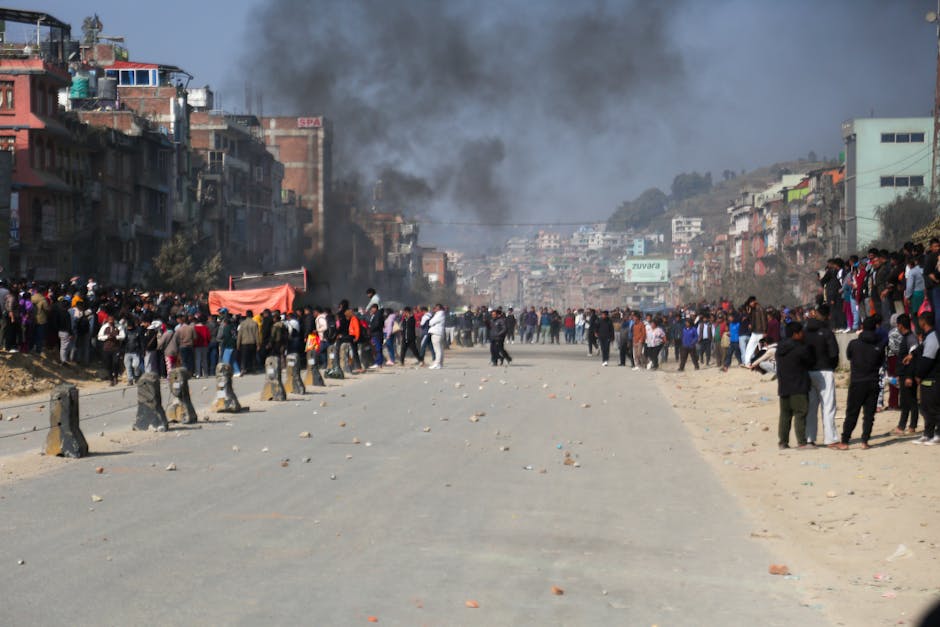
- Bolivia’s unrest is fueled by growing dissatisfaction with the current government, led by President Luis Arce.
- Protesters are demanding the president’s resignation, citing economic mismanagement, corruption, and neglect of indigenous communities.
- The protests have disrupted travel, causing frustration and concern among citizens and foreigners alike.
- Over 100 road blockades have been established across the country, affecting major cities and towns.
- The protesters are united in their demand for change, arguing that the current government has lost legitimacy.
As the situation in Bolivia continues to deteriorate, one question is on everyone’s mind: what sparked the widespread unrest that has brought the country to a standstill? The answer lies in the growing dissatisfaction with the current government, led by President Luis Arce. Protesters have taken to the streets, blocking major roads and highways, and demanding the president’s resignation. The blockades have disrupted travel, causing frustration and concern among citizens and foreigners alike.
Understanding the Core of the Protests

The protests in Bolivia are a direct response to the perceived failures of the Arce administration. The government has been accused of mishandling the economy, failing to address corruption, and disregarding the needs of indigenous communities. The protesters, who come from various backgrounds and regions, are united in their demand for change. They argue that the current government has lost legitimacy and that a new leadership is necessary to address the country’s pressing issues. The road blockades are a tactic to draw attention to their cause and to pressure the government into taking action.
Evidence of Growing Unrest

The scale of the protests is evident in the number of road blockades that have been set up across the country. According to reports, over 100 blockades have been established, affecting major cities and towns. The protesters have been met with a mixture of support and criticism, with some citizens expressing solidarity with their demands, while others have been inconvenienced by the disruptions. International news outlets have covered the protests, highlighting the gravity of the situation. Quotes from protesters, such as “we will not back down until our demands are met,” illustrate the determination and resolve of the movement.
Counter-Perspectives and Criticisms

Not everyone agrees with the protesters’ tactics or demands. Some critics argue that the blockades are causing unnecessary harm to the economy and disrupting the lives of innocent citizens. Others question the legitimacy of the protests, suggesting that they are being fueled by opposition parties seeking to destabilize the government. The government itself has accused the protesters of being violent and destructive, although independent reports suggest that the majority of the protests have been peaceful. These counter-perspectives highlight the complexity of the situation and the need for a nuanced understanding of the issues at play.
Real-World Impact of the Protests

The protests have had a significant impact on the daily lives of Bolivians. Travel has been severely disrupted, with many roads and highways blocked. This has affected not only citizens but also businesses, which are struggling to maintain operations. The economy is also feeling the strain, with concerns that the unrest could deter investment and harm the country’s reputation. Concrete examples of the impact include the closure of schools, the suspension of public transportation, and the scarcity of essential goods in some areas. The consequences of the protests are far-reaching, and it remains to be seen how the situation will unfold.
What This Means For You
For those following the situation in Bolivia, it is essential to understand the underlying causes of the protests and the potential implications for the country’s future. The unrest highlights the importance of addressing the root causes of dissatisfaction and the need for inclusive and responsive governance. As the situation continues to evolve, it is crucial to stay informed through reliable news sources and to consider the perspectives of all parties involved.
As the protests in Bolivia enter their next phase, one question remains: what will it take for the government and the protesters to find a resolution? Will the blockades continue, or will a dialogue emerge that addresses the grievances of the protesters? The answer to this question will depend on the actions of the government, the protesters, and the international community. As the situation unfolds, it is essential to continue monitoring developments and to consider the long-term implications for Bolivia and the region.
Source: Al Jazeera