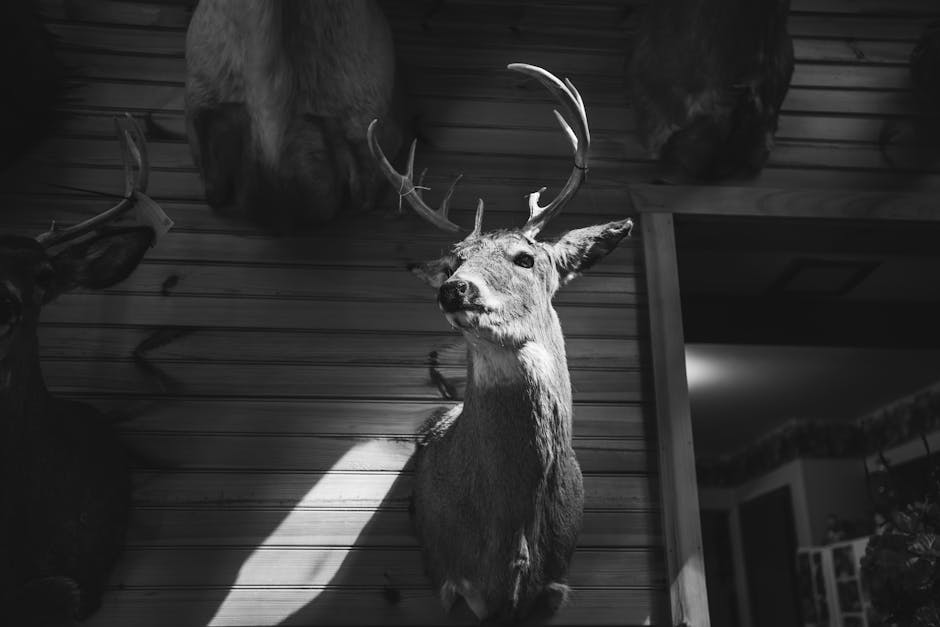
- The last full-time museum taxidermist in the U.S. brings dead animals back to life with precision and care, creating realistic specimens.
- Modern taxidermy techniques and materials allow for greater realism and accuracy in taxidermy, making it a valuable tool for education.
- Taxidermy has evolved to incorporate cutting-edge technology and scientific research, making it an essential tool for conservation and education.
- From traditional methods to advanced technology, every aspect of taxidermy is carefully considered to create an immersive experience for museum visitors.
- Taxidermy has a rich history dating back thousands of years, with evidence of preserved animals found in ancient civilizations like Egypt and Greece.
The studio is dimly lit, with soft music playing in the background, and the scent of clay and paint fills the air. In the center of the room, a taxidermist carefully places glass eyes into the sockets of a deer, bringing it back to life. The creation, care, and keeping of creatures is a responsibility that the last full-time museum taxidermist in the U.S. takes both seriously and joyfully. With a steady hand and a keen eye for detail, the taxidermist works tirelessly to create realistic and lifelike specimens that educate and inspire the public.
The Art of Taxidermy Today

Taxidermy has come a long way since its inception, with modern techniques and materials allowing for greater realism and accuracy. The taxidermist uses a combination of traditional methods and cutting-edge technology to create specimens that are not only visually stunning but also highly educational. From the intricate details of a bird’s plumage to the majestic pose of a lion, every aspect of the taxidermy process is carefully considered to create an immersive experience for museum visitors. With the help of scientific research and discoveries, taxidermy has become an essential tool for conservation and education.
A History of Preservation

The history of taxidermy dates back thousands of years, with evidence of preserved animals found in ancient civilizations such as Egypt and Greece. However, it wasn’t until the 18th century that taxidermy became a popular practice in Europe and North America. The development of new techniques and materials, such as arsenic and glass eyes, allowed taxidermists to create more realistic and long-lasting specimens. Today, taxidermy is used not only for museum displays but also for conservation efforts, disease research, and educational programs.
The People Behind the Specimens

Behind every taxidermy specimen is a skilled and dedicated individual who has spent years honing their craft. The last full-time museum taxidermist in the U.S. is a testament to the passion and commitment required to excel in this field. With a background in biology and art, the taxidermist brings a unique perspective to their work, combining scientific knowledge with creative flair. Their motivation is not only to create visually stunning specimens but also to inspire a sense of wonder and curiosity in the public, promoting a deeper appreciation for the natural world and its inhabitants.
The Impact of Taxidermy

The impact of taxidermy extends far beyond the museum walls, with specimens playing a crucial role in conservation efforts and scientific research. By creating highly realistic and detailed models of endangered species, taxidermists can help raise awareness about the importance of conservation and the need to protect these species. Additionally, taxidermy specimens can be used to study animal behavior, anatomy, and ecology, providing valuable insights for scientists and researchers. As a result, taxidermy has become an essential tool for promoting education, conservation, and scientific discovery.
The Bigger Picture
In a world where technology and virtual reality are increasingly dominant, the art of taxidermy offers a unique and tangible connection to the natural world. By preserving and showcasing specimens in a lifelike and realistic way, taxidermy provides a window into the past, present, and future of our planet’s biodiversity. As we face the challenges of climate change, habitat destruction, and species extinction, the importance of taxidermy as a tool for education, conservation, and scientific research cannot be overstated. By supporting and promoting the art of taxidermy, we can work towards a future where humans and animals coexist in harmony.
As the taxidermist finishes their latest specimen, a sense of pride and satisfaction fills the air. The creation of a new life from a deceased animal is a truly remarkable process, one that requires patience, skill, and dedication. As we gaze upon the finished specimen, we are reminded of the beauty, wonder, and importance of the natural world, and the crucial role that taxidermy plays in preserving and promoting it for future generations. With the help of taxidermy, we can continue to learn, discover, and appreciate the incredible diversity of life on Earth, and work towards a brighter, more sustainable future for all.
Source: The New York Times