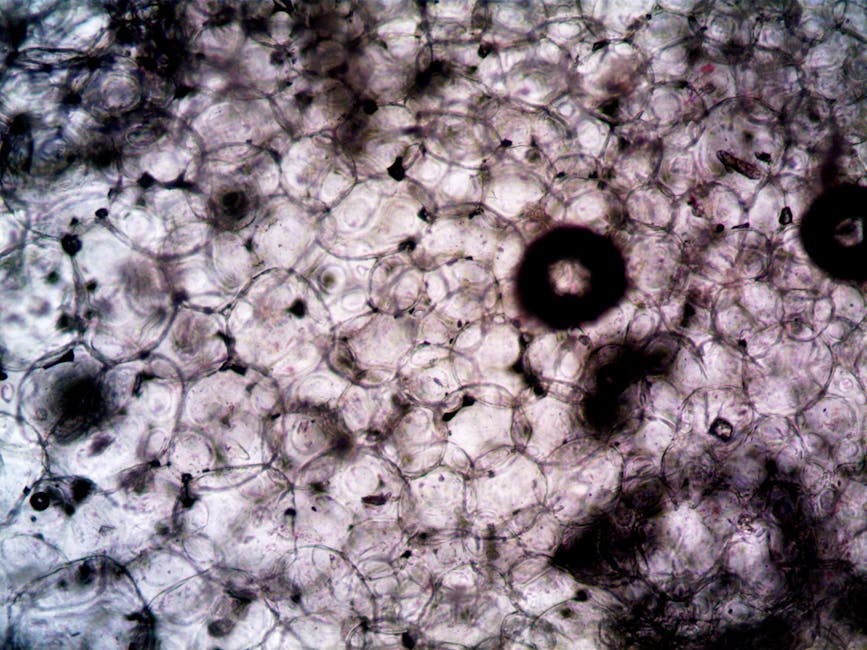
- 1 in 10 breast cancer cells can enter a dormant state, evading chemotherapy and immune surveillance for decades.
- Dormant breast cancer cells can reawaken and trigger cancer recurrence in patients believed to be cured.
- These cells, invisible to conventional imaging, represent a hidden reservoir of disease persistence.
- Dormant disease may explain why up to 30% of breast cancer survivors experience relapse more than five years after treatment.
- This phenomenon challenges long-standing assumptions about tumor biology and breast cancer treatment.
One in ten breast cancer cells can enter a state of near-suspended animation, dividing just once every few months or even years, allowing them to evade chemotherapy and immune surveillance for decades—only to reawaken and trigger cancer recurrence in patients believed to be cured. This startling discovery, published in Nature, upends long-standing assumptions about tumor biology and offers a compelling explanation for why up to 30% of breast cancer survivors experience relapse more than five years after treatment, sometimes as late as 20 or 30 years later. These rogue cells, invisible to conventional imaging and resistant to therapies designed to target rapidly dividing cells, represent a hidden reservoir of disease persistence that has eluded scientists for generations.
The Long Shadow of Dormant Disease

For decades, oncologists have grappled with the mystery of late recurrence in hormone receptor-positive breast cancer, the most common subtype. Unlike aggressive forms that typically return within the first three years, this variant often resurfaces a decade or more after initial treatment, confounding both patients and physicians. The new research, led by a team at the Institute of Cancer Research in London, used advanced lineage tracing and single-cell RNA sequencing in mouse models and human tissue samples to identify a subpopulation of cancer cells with drastically reduced metabolic activity and cell division rates. These cells, the study shows, can persist in bone marrow, lymph nodes, and other distant sites, surviving standard therapies that target fast-growing tumors. Their existence helps explain why long-term hormonal therapies, such as tamoxifen or aromatase inhibitors, are prescribed for up to ten years—aimed not just at suppressing new growth but at keeping these dormant cells in check.
Tracing the Origins of Cellular Hibernation

The study pinpointed a rare but dangerous subset of tumor cells that activate a genetic program akin to embryonic diapause—a natural pause in development seen in some mammals during times of environmental stress. By analyzing gene expression profiles, researchers found that these cells upregulate pathways involved in stress resistance, autophagy, and quiescence, while downregulating those linked to proliferation and immune recognition. Remarkably, these cells were found to originate early in tumor development, suggesting that the seeds of recurrence are sown long before diagnosis. The team also identified specific surface markers, including CD61 and NR2F1, which may serve as future targets for detection or elimination. Using CRISPR-based tracking, they demonstrated that a single dormant cell could regenerate an entire metastatic tumor after years of inactivity, underscoring their clinical significance.
Why Dormancy Matters: A Paradigm Shift in Oncology

The discovery challenges the traditional oncological focus on rapidly dividing cells and underscores the need for therapies that target cellular dormancy. Most chemotherapy agents and radiation work by damaging DNA during cell division, making slow-cycling cells inherently resistant. Immunotherapies, meanwhile, rely on immune system recognition of abnormal proteins often absent in dormant cells. This biological stealth mode allows the cells to ‘hide in plain sight’ across the body. Epidemiological data from large patient cohorts, cited in the study, show that late recurrences account for nearly half of all breast cancer deaths in women initially diagnosed with early-stage disease. The research suggests that current remission criteria may be insufficient, as they fail to account for these silent, long-lived cells. Experts warn that without new detection methods, millions of survivors remain at risk without knowing it.
Implications for Patients and Treatment Protocols

The findings have immediate implications for the 2.3 million women diagnosed with breast cancer globally each year, particularly those with hormone receptor-positive forms. If validated in larger clinical trials, the discovery could lead to new screening tools to detect dormant cell reservoirs, potentially using liquid biopsies or PET tracers tuned to metabolic inactivity. It also strengthens the rationale for extended hormonal therapy and may spur development of ‘dormancy-busting’ drugs or vaccines that target the unique biology of these cells. For survivors, the knowledge offers both anxiety and hope: while the threat of late recurrence looms, understanding its mechanism opens paths to prevention. Future treatment strategies may shift from merely shrinking tumors to eradicating cellular latency—an evolution comparable to the shift from acute to chronic disease management in HIV.
Expert Perspectives
Dr. Ellen Martin, a cancer biologist at the Francis Crick Institute not involved in the study, called it ‘a landmark in understanding metastatic dormancy.’ She noted, ‘This work finally provides a mechanistic basis for something clinicians have observed for decades.’ However, some remain cautious. Dr. Rajiv Mehta of MD Anderson cautioned that mouse models don’t always translate to humans, stating, ‘We must confirm whether these cells behave the same way in diverse patient populations.’ Still, consensus is growing that dormancy is a key frontier in oncology, with the National Cancer Institute recently launching a Dormant Tumor Cell Initiative to accelerate related research.
Looking ahead, the next challenge is developing clinical tools to detect and eliminate dormant cells before they reawaken. Trials are already underway testing senolytic drugs—originally designed for aging cells—against dormant cancer populations. Researchers are also exploring whether epigenetic therapies can ‘wake up’ these cells to make them vulnerable to conventional treatments. The ultimate goal is a world where breast cancer recurrence, even decades later, becomes a preventable event rather than a haunting possibility. As science unravels the secrets of cellular hibernation, the dream of a definitive cure edges closer.
Source: Unsw