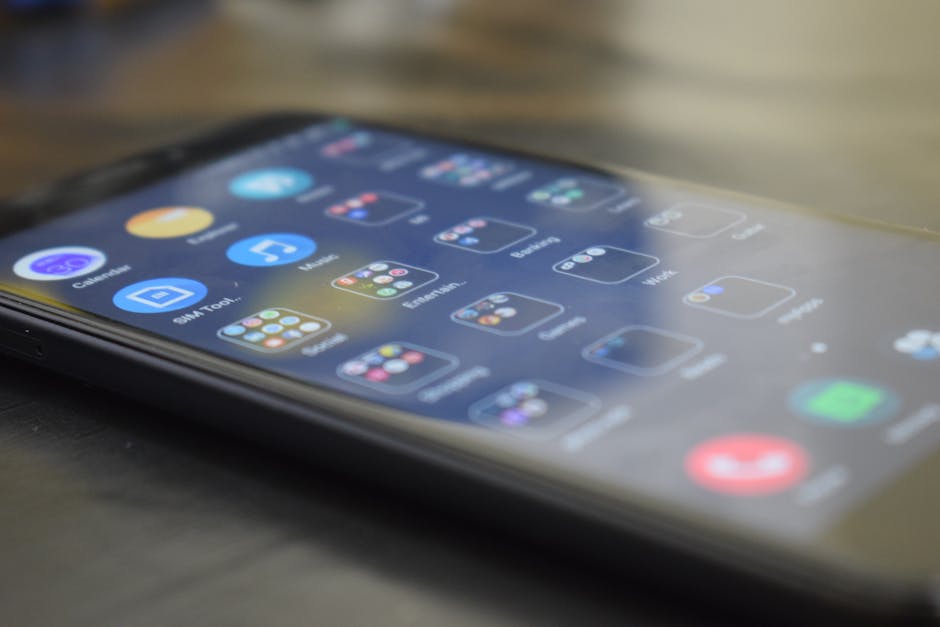
- The new Android phone boasts a 0.35mm bezel, the slimmest in the industry, and a 240Hz display for buttery-smooth motion handling.
- This device could redefine user expectations for display immersion and responsiveness by pushing physical limits in modern mobile hardware.
- A 0.35mm bezel represents a 60-70% reduction over current slim-bezel leaders like the Samsung Galaxy S24 Ultra or OnePlus 12.
- The 240Hz display was previously confined to gaming but is now expected to be available for mainstream devices.
- This display innovation matters now as consumers demand ever more immersive experiences from mobile gaming to streaming high-frame-rate video.
In a bold leap forward for smartphone design, a new Android device has been teased with a staggering 0.35mm bezel—believed to be the slimmest in the industry—and a 6.3-inch AMOLED display boasting a 240Hz refresh rate. This combination of ultra-narrow framing and ultra-smooth display performance marks a significant engineering milestone, pushing the boundaries of what’s physically possible in modern mobile hardware. At a time when most flagship phones hover around 1–2mm bezels and 120–165Hz refresh rates, this prototype suggests a future where screens dominate nearly the entire front surface while delivering buttery-smooth motion handling critical for gaming and high-frame-rate content. If brought to market, this device could redefine user expectations for display immersion and responsiveness.
Why This Display Innovation Matters Now

The timing of this tease is no accident. As consumers demand ever more immersive experiences—from mobile gaming to streaming high-frame-rate video—display technology has become a key battleground for differentiation among Android OEMs. The shift toward near-borderless designs began over a decade ago, but physical limits in screen sealing, touch sensitivity, and structural integrity have slowed progress on shrinking bezels beyond a certain point. A 0.35mm bezel represents a 60–70% reduction over current slim-bezel leaders like the Samsung Galaxy S24 Ultra or OnePlus 12. Meanwhile, 240Hz displays were previously confined to gaming phones like the ASUS ROG Phone series, where power efficiency and heat limited mainstream adoption. Combining both features in a non-gaming-focused device signals that high-performance display tech is maturing for broader consumer use.
The Device Behind the Tease

Despite early speculation, this phone is confirmed not to be Google’s upcoming Pixel 11a, dashing hopes that the Android maker was preparing a radical design departure for its mid-tier line. Instead, industry analysts point to Chinese manufacturers like Xiaomi, Oppo, or Vivo—brands with a history of aggressive display innovation through partnerships with BOE and TCL CSOT. The 6.3-inch size suggests a balance between portability and usability, avoiding the bulk of larger gaming-centric models. Internal schematics, leaked alongside the teaser, indicate a custom display driver and advanced heat dissipation system, likely involving vapor chamber cooling and AI-based frame rate modulation to manage power draw. The device is believed to be running a customized Android 15 build optimized for dynamic refresh rate switching, minimizing battery impact during low-intensity tasks.
Engineering Challenges and Breakthroughs

Creating a 0.35mm bezel requires overcoming significant technical hurdles. The bezel must house the display’s flex circuits, front-facing camera, proximity sensor, and sometimes even haptics or antenna lines—components that cannot be easily miniaturized without compromising reliability. According to display experts at Reuters, achieving such a narrow border likely involves stacking components vertically beneath the screen or relocating sensors to the display itself via under-screen camera (USC) and optical sensing tech. BOE, a leading Chinese panel maker, recently unveiled a prototype with similar specs, suggesting this device may use their next-gen X-LED or LTPO 4.0 panel. On the software side, maintaining a stable 240Hz refresh rate demands optimized GPU scheduling and thermal throttling algorithms. Early firmware logs indicate the phone uses machine learning to predict user input patterns, preemptively boosting frame rates before interaction begins.
Market and User Implications

If commercialized, this phone could shift consumer expectations across the Android ecosystem, pressuring competitors to accelerate their own display roadmaps. Users will benefit from a more immersive viewing experience, especially in media consumption and gaming, while developers may begin optimizing apps for higher frame rates. However, the power cost remains a concern: a 240Hz display can consume up to 40% more energy than a 60Hz equivalent, according to BBC News. This could necessitate larger batteries or faster charging—trade-offs that may affect device thickness or longevity. Moreover, the ultra-thin bezel may complicate grip, increasing reliance on software-based gestures or edge protection features to prevent accidental touches.
Expert Perspectives
“This is more than just a spec bump—it’s a rethinking of the smartphone’s physical interface,” says Dr. Lena Cho, display analyst at TechInsight Group. “The industry has plateaued on resolution; now, form factor and responsiveness are the new frontiers.” However, not all experts are optimistic. Mark Renshaw, a mobile hardware commentator, warns that “ultra-thin bezels can compromise durability, especially in drop tests, and 240Hz is overkill for most users.” The debate underscores a broader tension between technological ambition and practical utility in smartphone design.
As of now, no official release date or pricing has been announced, but leaks suggest a debut at Mobile World Congress 2025. The big question remains: can this device deliver its promised performance without sacrificing battery life or build quality? And will consumers value microscopic bezels and sky-high refresh rates enough to justify a potential premium price? With Samsung, Apple, and Google all advancing their own display technologies, this teaser may mark the opening salvo in a new phase of the smartphone wars—one fought on the edge of the screen.
Source: Notebookcheck