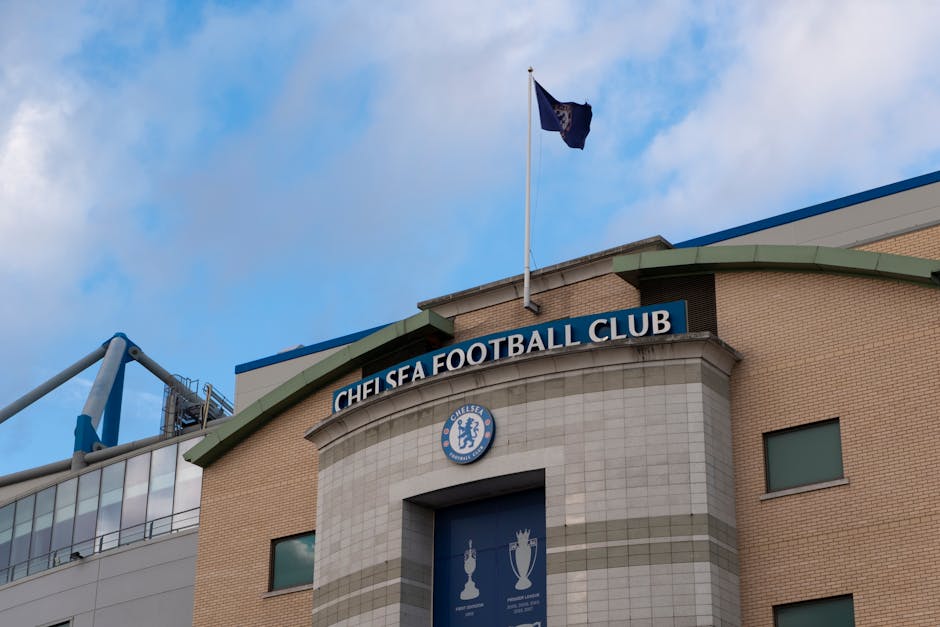
- Xabi Alonso’s recent success with Bayer Leverkusen has solidified his position as a top candidate for Chelsea’s manager role.
- Alonso’s tactical philosophy and leadership style have made him a standout choice among other contenders.
- Chelsea’s ownership is reportedly ready to commit to Alonso as the club’s next manager.
- Former candidates, including Mauricio Pochettino and Thomas Tuchel, have fallen behind Alonso in the race.
- Alonso’s vision and approach to the game align with Chelsea’s ambitious goals and values.
On a crisp spring evening in Leverkusen, the BayArena hummed with the kind of electric anticipation usually reserved for Champions League nights. But this was Bundesliga, and the man orchestrating the symphony from the touchline wore a navy coat and a calm demeanor that belied the stakes: Xabi Alonso. His Bayer Leverkusen side dismantled Borussia Dortmund with surgical precision, a performance that was less a victory and more a manifesto. Every pass, every press, every tactical adjustment echoed his philosophy — control, intelligence, patience. Thousands of miles away, in West London, decision-makers at Chelsea watched closely. They weren’t just scouting a team; they were sizing up a future. Because in that moment, Alonso didn’t just confirm his status as one of Europe’s brightest young managers — he emerged as the clear front-runner to lead one of football’s most ambitious yet unsettled clubs.
Alonso Takes Pole Position for Stamford Bridge

According to multiple sources across Europe, Xabi Alonso has moved decisively ahead of other candidates in the race to become Chelsea’s next manager. Names like Enzo Maresca, Thomas Tuchel, and even Mauricio Pochettino were once in contention, but Alonso now stands alone at the top of the shortlist. What sets him apart isn’t just his unbeaten domestic season with Bayer Leverkusen or his DFB-Pokal triumph — it’s the vision he embodies. Chelsea’s ownership, led by Todd Boehly and Clearlake Capital, is reportedly ready to restructure its football operations to accommodate Alonso’s demands, including greater influence over player recruitment. This would mark a significant shift from the centralized, committee-driven model that has drawn criticism since the club’s 2022 takeover. The board appears willing to cede authority to a head coach for the first time in years, betting that Alonso’s footballing intellect and leadership can stabilize a project long hampered by revolving-door appointments and disjointed transfers.
The Road to Stamford Bridge

Alonso’s ascent wasn’t sudden. After retiring from a decorated playing career that included World Cup and two European Championship wins with Spain, followed by Champions League titles with Liverpool and Real Madrid, he initially entered coaching with humility. His first role at Real Sociedad B in 2018 was a quiet apprenticeship, but it laid the foundation for a progressive philosophy rooted in positional play and transitional control. By 2022, he was handed the reins at Bayer Leverkusen, a club long overshadowed by Bayern Munich and burdened by the ‘Neverkusen’ tag for its near-misses. Alonso transformed the culture almost immediately. He rebuilt the squad with overlooked talents like Florian Wirtz and Victor Boniface, instilled a high-pressing, possession-dominant system, and delivered the club’s first Bundesliga title in over a century. His success wasn’t just tactical — it was cultural, proving that long-term planning and player development could triumph over financial muscle.
The Architect and the Investors

The central tension in Chelsea’s pursuit lies between vision and control. Todd Boehly’s consortium has invested over £1 billion in players since taking over, yet results have been inconsistent, culminating in the dismissal of Mauricio Pochettino after just one season. The board has faced backlash for sidelining managers in transfer decisions, often guided by data models and recruitment committees. Alonso, however, has made it clear: he wants autonomy. Sources close to the negotiations suggest he is seeking a structure similar to what Jürgen Klopp or Pep Guardiola enjoy — where the manager sets the footballing direction, identifies targets, and shapes the squad. This isn’t just about pride; it’s about accountability. For Boehly, accepting this model would be a pivot from their initial strategy, but one that could finally bring coherence to Chelsea’s football operation. For Alonso, it’s the chance to prove he can scale his success beyond Germany.
What Alonso’s Arrival Would Mean

If Alonso takes charge, the ripple effects will be immediate. Players will be assessed not just on metrics but on tactical fit and character. The loan-heavy strategy — which saw over 20 players dispatched last season — may be scaled back in favor of a more integrated academy-to-first-team pathway. There could also be a shift in scouting, with greater emphasis on technical profiles who thrive in high-possession systems. For fans, it signals a return to footballing identity after years of fragmentation. For rivals, it’s a warning: Chelsea may finally have found a manager whose philosophy aligns with long-term sustainability. But the pressure will be immense. The Premier League is less forgiving than the Bundesliga, and the expectation at Stamford Bridge is immediate competitiveness, not just cultural rebirth.
The Bigger Picture
Alonso’s potential move to Chelsea reflects a broader evolution in modern football — the reassertion of the manager as architect. After years of analytics-driven recruitment and corporate oversight, clubs are rediscovering the value of unified leadership. As seen at Manchester City and Liverpool, sustained success often stems from alignment between a visionary coach and empowered decision-making. Chelsea’s willingness to adapt suggests they’re learning from others’ blueprints. Alonso, with his rare blend of elite playing experience and managerial innovation, represents a bridge between eras: a player who understood greatness, now building it from the ground up.
As the Bundesliga season concludes and transfer talks intensify, all eyes are on Leverkusen. Alonso has not yet given a definitive answer, and contractual obligations remain. But the momentum is undeniable. If he accepts, it won’t just be a new chapter for Chelsea — it could redefine how American-owned clubs balance investment with footballing authority. The game, once again, is about more than money. It’s about vision. And at this moment, Xabi Alonso holds one of the clearest in the world.
Source: Inews