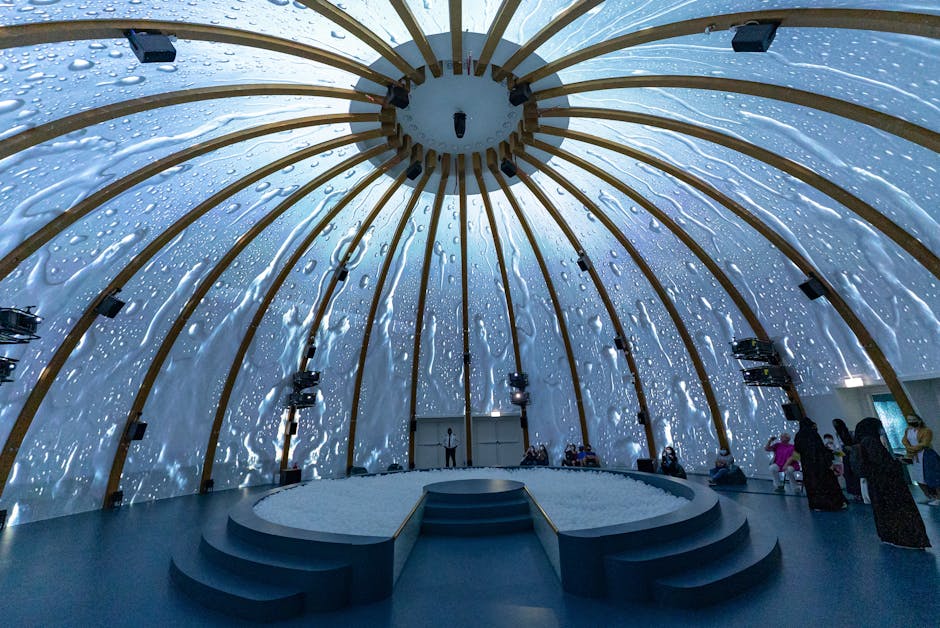
- Qatar’s Venice Biennale pavilion showcases the region’s rich cultural heritage through collaboration and creative expression.
- The pavilion brings together 10 artists, musicians, and chefs from across the Arab world to foster greater understanding and appreciation of the region’s artistic diversity.
- The project’s curator, Rirkrit Tiravanija, aimed to create a communal space where visitors can engage with the art and culture of the Arab world in an immersive and interactive way.
- The pavilion features a range of installations, performances, and workshops that showcase the region’s vibrant artistic scene.
- Qatar’s Venice Biennale debut highlights the country’s commitment to arts and culture, fostering greater international collaboration and exchange.
Executive summary: Qatar has made its inaugural appearance at the Venice Biennale with a pavilion that embodies the spirit of collaboration and creativity, featuring a diverse range of artists, musicians, and chefs from the Arab world. Led by renowned artist Rirkrit Tiravanija, the project showcases the region’s rich cultural heritage through a unique blend of live art, food, and music. By bringing together talented individuals from across the Arab world, Qatar’s pavilion aims to foster greater understanding and appreciation of the region’s artistic diversity.
The Pavilion’s Concept and Design

The pavilion’s design is centered around the concept of collaboration and community, with a focus on the shared experiences of food, art, and music. According to Rirkrit Tiravanija, the pavilion’s curator, the project aims to create a sense of communal space where visitors can engage with the art and culture of the Arab world in an immersive and interactive way. With a total of 10 artists participating in the project, the pavilion features a range of installations, performances, and workshops that showcase the region’s vibrant artistic scene, including data from BBC reports on the Biennale’s history and impact.
The Artists and Participants

The pavilion features a diverse range of artists, musicians, and chefs from across the Arab world, including Qatar, Egypt, Lebanon, and Palestine. Among the participating artists are prominent figures such as Monira Al Qadiri and Amal Kenawy, who have gained international recognition for their work. The pavilion also includes performances by musicians such as Omar Souleyman and Shadi Nadaf, who will showcase the region’s rich musical heritage. Additionally, a team of chefs from across the Arab world will provide a unique culinary experience, offering visitors a taste of the region’s diverse cuisine.
The Trade-Offs and Challenges

While the pavilion’s focus on collaboration and community is a major strength, it also presents several challenges and trade-offs. One of the main challenges is balancing the diverse range of artistic voices and styles, while also creating a cohesive and engaging overall experience. Furthermore, the pavilion’s emphasis on live art and performance poses logistical challenges, such as ensuring the smooth execution of performances and events. However, according to Reuters reports, the pavilion’s organizers are confident that the benefits of this approach outweigh the costs, and that the pavilion will provide a unique and memorable experience for visitors.
The Timing and Context

Qatar’s debut at the Venice Biennale comes at a significant time, both for the country and for the region. In recent years, Qatar has been actively promoting its cultural and artistic scene, with a range of initiatives and investments aimed at developing the country’s creative industries. The pavilion’s appearance at the Biennale is a major milestone in this effort, and demonstrates Qatar’s commitment to showcasing its artistic talent on the international stage. As noted by The Guardian, the Biennale provides a unique platform for countries to showcase their artistic diversity and creativity.
Where We Go From Here
Looking ahead to the next 6-12 months, there are several possible scenarios for the pavilion’s impact and legacy. One possible scenario is that the pavilion will help to establish Qatar as a major player in the international art world, attracting new attention and investment to the country’s creative industries. Another scenario is that the pavilion will inspire a new wave of collaboration and creativity across the Arab world, as artists and cultural institutions respond to the pavilion’s innovative approach. Finally, a third scenario is that the pavilion will have a lasting impact on the Venice Biennale itself, influencing the way that future pavilions are designed and curated.
Bottom line: Qatar’s debut pavilion at the Venice Biennale is a groundbreaking and innovative project that showcases the country’s commitment to artistic collaboration and creativity, and is likely to have a lasting impact on the international art world.
Source: Euronews