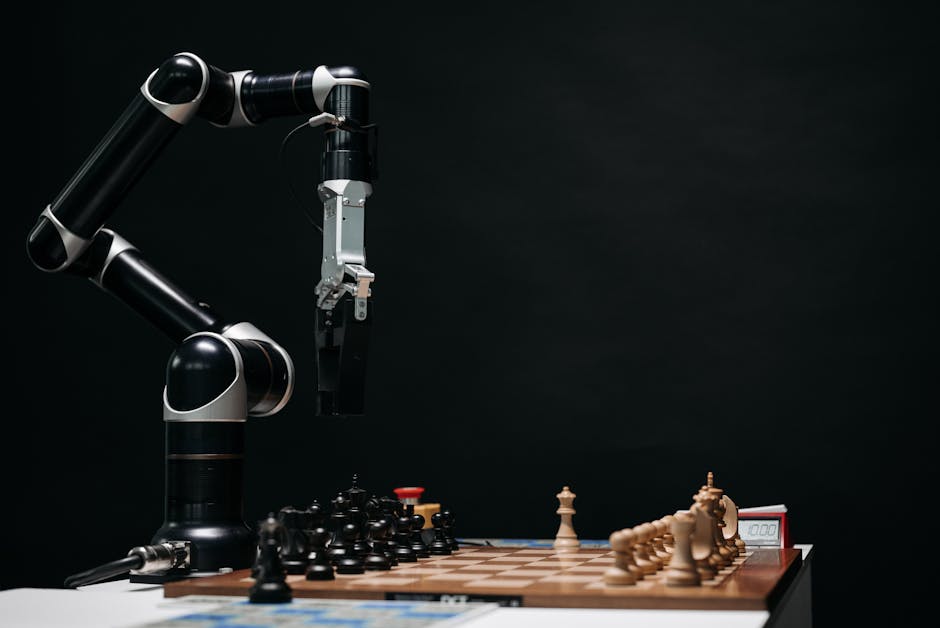
- OpenAI’s acquisition of OpenClaw, initially met with excitement, now appears to have accelerated the platform’s decline and potential disappearance.
- OpenClaw, once considered a revolutionary AI platform, has failed to live up to its initial promises and is losing relevance.
- The reasons for OpenClaw’s downfall are multifaceted, but OpenAI’s purchase may have inadvertently stifled further innovation.
- Many experts believe OpenAI’s acquisition may have unintentionally contributed to the decline of the community surrounding OpenClaw.
- The deal raises questions about OpenAI’s motives and the actual value they derived from acquiring the struggling OpenClaw platform.
In the world of artificial intelligence, few events have sparked as much hype and speculation as OpenAI’s acquisition of OpenClaw. The deal, which was announced with great fanfare, seemed to promise a new era of innovation and advancement in the field. But as the dust settles, it’s becoming increasingly clear that the reality may be far more mundane. The OpenClaw platform, once hailed as a revolutionary breakthrough, is now trending downward and may soon disappear altogether. The question on everyone’s mind is: what happened? Why did OpenAI, a leader in the AI space, feel the need to acquire OpenClaw, and what value did they actually capture from the deal?
The Current State of OpenClaw

Today, OpenClaw is a shadow of its former self. The platform, which was once touted as a game-changer, is now struggling to stay relevant. Despite the initial hype, the technology has failed to deliver on its promises, and the community that once surrounded it has begun to lose interest. The reasons for this decline are complex, but one thing is clear: OpenAI’s acquisition of OpenClaw has not had the desired effect. In fact, many observers believe that the deal may have actually hastened the platform’s demise. By acquiring OpenClaw, OpenAI may have inadvertently stifled innovation and crushed the very spirit that made the platform so appealing in the first place.
A Brief History of OpenClaw

To understand the story behind OpenClaw’s rise and fall, it’s necessary to take a step back and look at the platform’s history. OpenClaw was founded by a group of entrepreneurs who were passionate about AI and its potential to change the world. The platform was designed to be a hub for AI innovation, a place where developers and researchers could come together to share ideas and collaborate on projects. Initially, the platform showed great promise, attracting a dedicated community of users and sparking a wave of interest in the AI space. But as time went on, it became clear that OpenClaw was struggling to deliver on its promises. The platform was plagued by technical issues, and the community that had once been so enthusiastic began to lose interest.
The Players Involved

So who are the key players in the OpenClaw saga, and what motivated them to get involved? OpenAI, led by its CEO, Sam Altman, has been at the forefront of the AI revolution, driving innovation and advancement in the field. The company’s decision to acquire OpenClaw was likely driven by a desire to expand its reach and increase its influence in the AI community. But what about the founders of OpenClaw? What drove them to create the platform, and what do they hope to achieve? According to Wikipedia, the founders of OpenClaw were motivated by a passion for AI and a desire to create a platform that would facilitate innovation and collaboration. However, it’s clear that their vision was not fully realized, and the platform ultimately failed to deliver on its promises.
Consequences and Implications

The consequences of OpenAI’s acquisition of OpenClaw are still being felt, and the implications are far-reaching. For one, the deal has raised questions about the value of hype and speculation in the AI space. It’s clear that the narrative surrounding OpenClaw became bigger than the actual product, and that the platform’s failure to deliver on its promises has had serious consequences. The deal has also sparked debate about the role of large companies in the AI space, and whether they are truly committed to driving innovation and advancement. As noted by Reuters, the AI space is becoming increasingly crowded, and it’s clear that not all players will survive.
The Bigger Picture
So what does the story of OpenClaw tell us about the broader AI landscape? One thing is clear: the AI space is rapidly evolving, and companies must be willing to adapt and innovate in order to survive. The story of OpenClaw also highlights the importance of substance over hype, and the need for companies to deliver on their promises. As the AI space continues to grow and mature, it’s likely that we’ll see more deals like the OpenAI-OpenClaw acquisition. But it’s also clear that not all of these deals will be successful, and that companies must be careful to avoid getting caught up in the hype.
In the end, the story of OpenClaw serves as a cautionary tale about the dangers of hype and speculation in the AI space. As we look to the future, it’s clear that companies must be committed to driving innovation and advancement, rather than simply chasing the latest trend. The question is, what comes next? Will OpenAI learn from its mistakes, or will the company continue to prioritize hype over substance? Only time will tell, but one thing is certain: the AI space will continue to evolve, and companies must be willing to adapt in order to survive.
Source: I