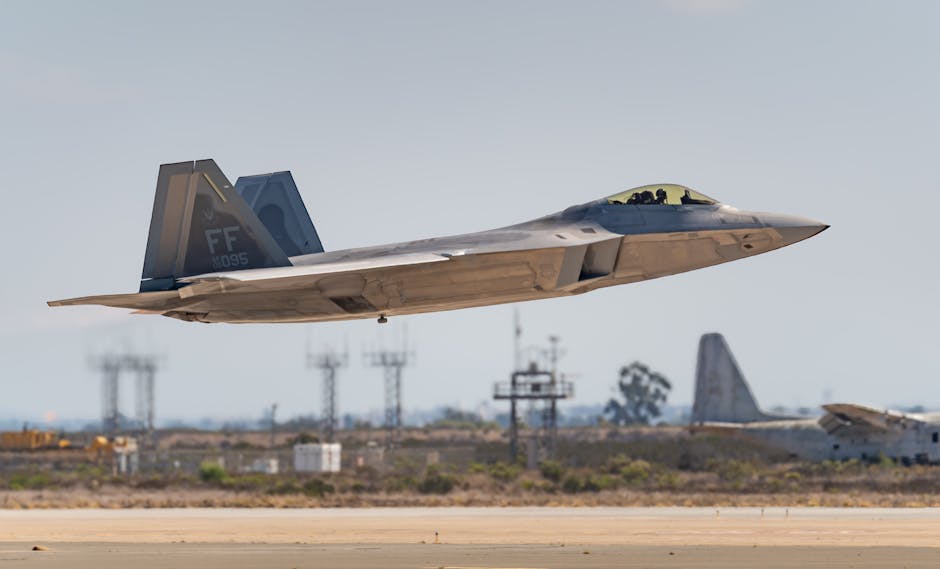
- Private capital is driving a surge in European defense technology innovation, with startups like Helsing leading the charge.
- Helsing’s $1.2 billion funding round values the company at $18 billion, rivaling major defense contractors.
- The influx of venture capital into defense is partly in response to NATO’s push for technological parity with global rivals.
- European governments are modernizing defense systems and reducing dependence on U.S. military technology.
- Startups like Helsing are capitalizing on the need for AI-powered military innovations, such as unmanned aerial systems.
Europe’s defense technology landscape is undergoing a seismic shift, with private capital fueling a new generation of military innovation. Helsing, a five-year-old German drone startup, is on the verge of closing an eye-popping $1.2 billion funding round that would value the company at $18 billion — a figure that rivals major defense contractors and signals a transformation in how modern warfare is being financed and developed. Backed by Spotify co-founder Daniel Ek and a consortium of European institutional investors, Helsing’s ascent reflects a broader surge in venture capital flowing into defense, particularly in response to geopolitical instability and NATO’s push for technological parity with global rivals. This funding milestone marks one of the largest private investments in European defense history, positioning Helsing at the forefront of a continent-wide effort to reclaim strategic autonomy in military hardware.
Europe’s Defense Tech Awakening

The rise of Helsing is no coincidence but rather the culmination of geopolitical necessity and industrial ambition. Since Russia’s full-scale invasion of Ukraine in 2022, European governments have scrambled to modernize aging defense systems and reduce dependence on U.S. military technology. This urgency has created fertile ground for startups like Helsing, which specializes in AI-powered unmanned aerial systems designed for reconnaissance, electronic warfare, and precision strike capabilities. Unlike traditional defense contractors burdened by bureaucracy and slow procurement cycles, Helsing operates with the agility of a Silicon Valley tech firm while aligning closely with national security priorities. The company has quietly secured contracts with several NATO members and is reportedly in advanced talks with the European Defence Agency to integrate its drones into joint command frameworks. This moment marks a turning point: Europe is no longer just a consumer of defense tech but is now cultivating its own innovation ecosystem.
A Stealthy Ascent in Military Innovation

Helsing was founded in 2019 under a veil of secrecy, with initial funding from European sovereign wealth funds and tech entrepreneurs concerned about the continent’s strategic vulnerability. Daniel Ek, best known as the co-founder of Spotify, emerged as a key backer through his investment vehicle, EQT Ventures, drawn by the intersection of artificial intelligence, autonomy, and national security. The company has since developed a suite of stealth-capable drones that leverage machine learning to adapt to battlefield conditions in real time, a capability that sets them apart from legacy systems. Helsing’s flagship platform, codenamed Project Fenrir, integrates swarm intelligence and low-orbit satellite communication to operate in GPS-denied environments — a critical advantage in contested theaters. While exact technical specifications remain classified, industry analysts suggest Helsing’s drones outperform many existing models in range, survivability, and mission flexibility. The company now employs over 700 engineers, many poached from aerospace giants and AI research labs, and maintains R&D facilities in Berlin, Stockholm, and Toulouse.
Drivers Behind the Defense Capital Boom

The $1.2 billion raise reflects a broader recalibration of risk and return in the defense sector. According to data from PitchBook, private investment in European defense tech startups surged from $420 million in 2020 to over $3.1 billion in 2023, with drones and AI representing 60% of the total. Helsing’s $18 billion valuation — up from $7.5 billion in its last round — is driven by both technological differentiation and policy tailwinds. The European Commission’s recently passed Defense Industrial Strategy pledges €10 billion in public-private co-investment by 2030, while national governments are fast-tracking certification for commercial-grade military systems. As Reuters has reported, investors are increasingly viewing defense not just as a strategic imperative but as a viable long-term asset class. Moreover, Helsing’s ability to scale rapidly using modular design and commercial off-the-shelf components reduces production costs and deployment timelines, making it an attractive alternative to slow-moving state-owned contractors.
Strategic Implications Across Europe and NATO

The success of Helsing has far-reaching consequences for Europe’s defense posture and industrial sovereignty. By creating a homegrown alternative to American and Israeli drone systems, the company strengthens Europe’s ability to act independently in crises without relying on external suppliers. This is particularly significant for countries like Germany and France, which have long faced political constraints on arms exports and procurement. Helsing’s platforms could also reshape battlefield dynamics in Eastern Europe, where drone warfare has become a decisive factor in attrition. Beyond military applications, the company’s AI and autonomy stack may eventually spill over into civilian sectors such as border surveillance, disaster response, and infrastructure inspection. However, rapid militarization of AI raises ethical and regulatory concerns, especially regarding autonomous targeting and compliance with international humanitarian law. As Helsing scales, it will face mounting scrutiny from oversight bodies and civil society groups wary of unchecked technological escalation.
Expert Perspectives
Analysts are divided on Helsing’s long-term trajectory. Dr. Lena Vogt, senior fellow at the European Council on Foreign Relations, views the company as a ‘necessary catalyst’ for European defense integration, arguing that ‘only agile, tech-native firms can close the capability gap in time.’ In contrast, Dr. James Anderson of King’s College London warns that ‘private firms operating in classified domains risk creating accountability black boxes,’ especially when profit motives intersect with national security. Meanwhile, defense investors point to Helsing’s disciplined capital allocation and deep government partnerships as signs of sustainable growth, distinguishing it from speculative ventures in the broader tech sector.
Looking ahead, Helsing’s next milestone will be fielding its first operational drone wing with a NATO air force by 2026. The company is also exploring export opportunities in Asia and the Middle East, though export controls will likely limit its reach. As private capital reshapes the defense landscape, the line between startup and strategic asset continues to blur — and Helsing may well define what 21st-century military innovation looks like.
Source: TechCrunch