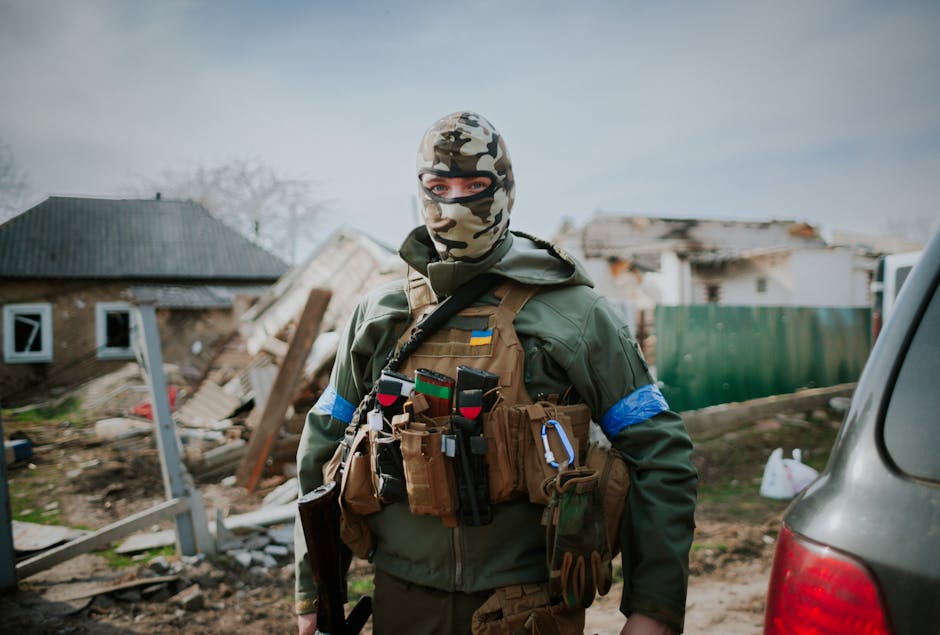
- President Zelensky announced a surprising shift: Russian President Putin has indicated a willingness to negotiate.
- The sudden interest in talks comes after months of intense conflict and significant losses on both sides.
- International pressure, including economic sanctions against Russia, may have influenced Putin’s decision.
- Diplomatic efforts are currently underway to arrange a potential meeting between Zelensky and Putin.
- While the details of potential negotiations remain unclear, this represents a potential turning point in the conflict.
The sun had just set over the battered city of Kyiv, casting a golden glow over the war-torn streets. The sound of gunfire and explosions had become a distant hum, a reminder of the ongoing conflict that had been raging for months. And yet, amidst the chaos and destruction, a glimmer of hope had emerged. In a surprise move, Ukraine’s President Volodymyr Zelensky had announced that Russian President Vladimir Putin had shown a readiness to negotiate, a sudden shift in the conflict that had left many wondering what had prompted this change of heart.
Current State of Affairs

The current situation on the ground is complex and multifaceted. Ukrainian forces have been fighting against Russian-backed separatists in the eastern regions of the country, with both sides suffering heavy losses. The international community has been calling for a peaceful resolution to the conflict, with many countries imposing economic sanctions on Russia in an effort to pressure Putin into negotiating. And now, it seems that these efforts may be bearing fruit. According to Zelensky, Putin has expressed a willingness to talk, although the details of what this might entail are still unclear. Reuters reports that diplomatic efforts are underway to facilitate a meeting between the two leaders.
Historical Context

To understand the significance of this development, it’s necessary to look at the historical context of the conflict. The roots of the dispute between Ukraine and Russia date back to the collapse of the Soviet Union, when Ukraine declared its independence. Since then, the two countries have had a complex and often fraught relationship, with Russia seeking to maintain its influence over its neighbor. The current conflict began in 2014, when Russian-backed separatists seized control of the eastern regions of Ukraine. Since then, the conflict has escalated, with both sides suffering heavy losses. The international community has been calling for a peaceful resolution, but until now, Putin has shown little willingness to negotiate.
Key Players

So who are the key players in this drama, and what are their motivations? Zelensky, the Ukrainian President, has been a vocal advocate for a peaceful resolution to the conflict. He has been under pressure from his own people to stand firm against Russian aggression, but he has also been keenly aware of the need to find a way out of the conflict that doesn’t involve further bloodshed. Putin, on the other hand, has been driven by a desire to maintain Russian influence over Ukraine and to protect the interests of Russian-speaking citizens in the eastern regions. His motivations are complex and multifaceted, but it’s clear that he has been feeling the pressure of international sanctions and diplomatic isolation. The BBC reports that Putin’s advisors have been urging him to seek a negotiated settlement.
Consequences

So what does this mean for the stakeholders involved? For Ukraine, a negotiated settlement could bring an end to the bloodshed and the destruction, and allow the country to begin the process of rebuilding. For Russia, it could provide a way out of the diplomatic isolation that has been imposed upon it, and allow Putin to claim a victory of sorts. For the international community, it could provide a much-needed respite from the tensions and uncertainties of the conflict. But there are also risks involved, particularly if the negotiations are not handled carefully. If the talks break down, it could lead to an escalation of the conflict, and potentially even more bloodshed.
The Bigger Picture
This development is significant not just for Ukraine and Russia, but for the wider region. The conflict has had a profound impact on the global economy, and has raised questions about the role of international institutions in resolving conflicts. It has also highlighted the need for diplomacy and dialogue in resolving disputes, rather than resorting to violence and aggression. As the world watches the developments in Ukraine with bated breath, it’s clear that this is a moment of great significance, one that could have far-reaching consequences for the future of international relations.
As the negotiations between Ukraine and Russia get underway, one thing is clear: the road ahead will be long and difficult. There will be many twists and turns, and many challenges to overcome. But for now, at least, there is a glimmer of hope, a sense that maybe, just maybe, a peaceful resolution to the conflict is possible. And that, in itself, is a remarkable thing, one that gives us all a reason to be optimistic about the future.
Source: Kyivpost