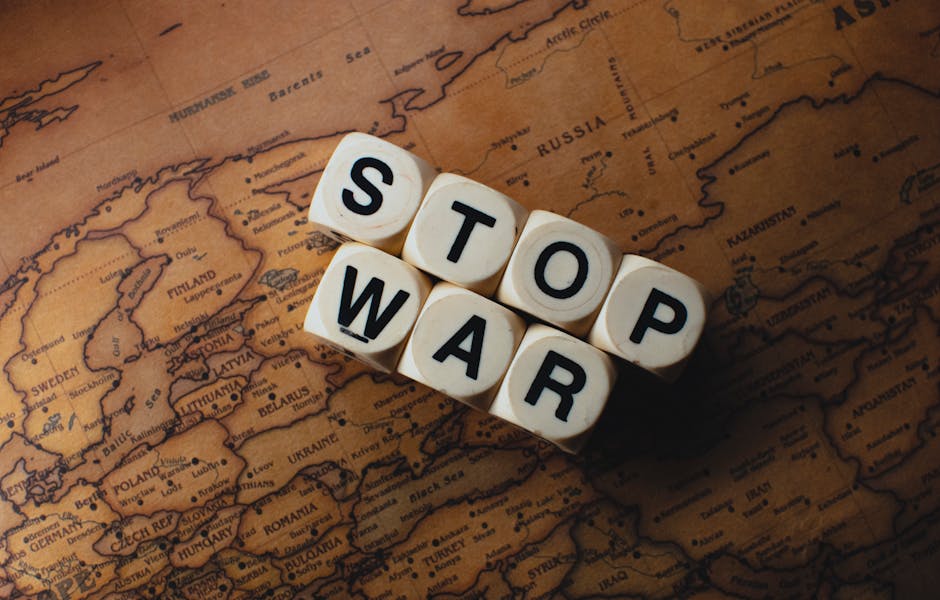
- Russia’s 3-day ceasefire in Ukraine has broken down, leading to renewed violence and fears of escalation.
- At least one person was killed and 19 others injured in the recent strikes across Ukraine.
- The breakdown of the ceasefire has left the international community wondering if a peaceful resolution to the conflict is still possible.
- The Russian military claims Ukrainian forces violated the terms of the ceasefire, prompting retaliatory strikes.
- Both sides have accused each other of violating the ceasefire, making it difficult to determine responsibility.
The question on everyone’s mind is: what happens next in Ukraine after Russia’s ceasefire broke down? As the international community held its breath, hoping for a lasting peace, Russia’s military launched a series of strikes across Ukraine, killing at least one person and injuring 19 others. The attacks, which came after a brief 3-day lull in fighting, have sparked fears of a renewed escalation in the conflict. The breakdown of the ceasefire has left many wondering if a peaceful resolution to the conflict is still possible.
Understanding the Ceasefire and Its Collapse

Russia’s decision to break the ceasefire is a complex issue, with multiple factors at play. According to reports, the ceasefire was intended to allow for the evacuation of civilians from conflict zones and the delivery of humanitarian aid. However, the Russian military has claimed that Ukrainian forces violated the terms of the ceasefire, prompting them to launch retaliatory strikes. The situation is further complicated by the fact that both sides have accused each other of violating the ceasefire, making it difficult to determine who is responsible for the breakdown. The BBC reports that the ceasefire was fragile from the start, with both sides exchanging blame for its collapse.
Evidence of the Attacks and International Response

The evidence of the attacks is clear, with multiple sources confirming the use of artillery and airstrikes against Ukrainian targets. The Ukrainian military has released footage of the attacks, showing the devastating impact on civilians and infrastructure. The international community has condemned the attacks, with the United Nations and European Union calling for an immediate cessation of hostilities. The New York Times reports that the US has also denounced the attacks, warning of further sanctions against Russia if the violence continues.
Counter-Perspectives and Skepticism

Not everyone is convinced that Russia’s actions are entirely to blame for the breakdown of the ceasefire. Some analysts argue that Ukraine’s military has also been involved in provocative actions, which may have contributed to the escalation. Others point out that the international community has been slow to respond to the crisis, failing to provide adequate support to Ukraine or pressure Russia to negotiate a peaceful resolution. Skeptics also argue that the ceasefire was never more than a temporary pause in the fighting, and that a lasting peace will require a more fundamental shift in the dynamics of the conflict. As the Guardian reports, some experts believe that the conflict is likely to continue for the foreseeable future, with both sides dug in and refusing to compromise.
Real-World Impact of the Conflict

The real-world impact of the conflict is stark, with thousands of civilians caught in the crossfire and millions more affected by the fighting. The World Health Organization has reported a significant increase in casualties, including medical personnel and patients. The conflict has also had a devastating impact on Ukraine’s economy, with widespread destruction of infrastructure and a significant decline in trade. As the conflict continues, the humanitarian situation is likely to deteriorate further, with millions of people in need of aid and support.
What This Means For You
The breakdown of the ceasefire in Ukraine has significant implications for the international community. As the conflict continues to escalate, the risk of wider instability and conflict increases, with potential consequences for global security and stability. For individuals, the conflict serves as a reminder of the importance of diplomacy and international cooperation in preventing and resolving conflicts. By staying informed and engaged, individuals can play a critical role in promoting peace and stability in the region.
As the situation in Ukraine continues to unfold, one question remains: what will it take to bring a lasting peace to the region? Will the international community be able to come together to pressure Russia and Ukraine to negotiate a peaceful resolution, or will the conflict continue to escalate, with devastating consequences for civilians and the wider region? The answer to this question will depend on a complex interplay of factors, including diplomacy, politics, and military strategy. As the world watches, one thing is clear: the fate of Ukraine and the wider region hangs in the balance, and the need for a peaceful resolution has never been more urgent.
Source: Kyivindependent