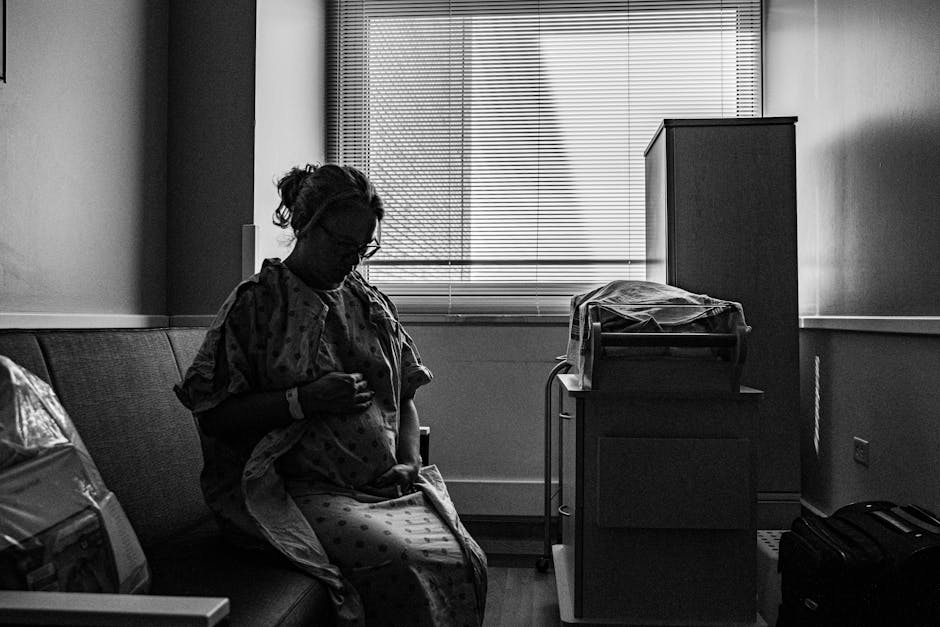
- The US maternity care system faces significant systemic issues, including institutional racism and high maternal mortality rates.
- Data from the CDC shows alarming disparities in maternal healthcare outcomes between non-Hispanic black and non-Hispanic white women.
- In 2020, the maternal mortality rate for non-Hispanic black women was 55.3 deaths per 100,000 live births, compared to 19.1 deaths per 100,000 live births for non-Hispanic white women.
- Key stakeholders, including healthcare providers, policymakers, and patient advocacy groups, must work together to reform the US maternity care system.
- Recent legislation, such as the Mothers and Babies Act, aims to address systemic issues contributing to disparities in maternal healthcare outcomes.
Executive summary — the US maternity care system is plagued by systemic issues, including institutional racism and alarming maternal mortality rates. Despite efforts to improve healthcare outcomes, these problems persist, and it is essential to acknowledge and address them. The public’s interpretation of these issues is crucial, and it is vital to ensure that the message conveyed is accurate and constructive, prompting meaningful change.
Evidence of Systemic Issues

Hard data and numbers from primary sources, such as the Centers for Disease Control and Prevention, reveal significant disparities in maternal healthcare outcomes. For instance, according to the CDC, in 2020, the maternal mortality rate for non-Hispanic black women was 55.3 deaths per 100,000 live births, compared to 19.1 deaths per 100,000 live births for non-Hispanic white women. These statistics underscore the need for urgent attention and reform to address the systemic issues contributing to these alarming disparities.
Key Players and Their Roles

Key actors, including healthcare providers, policymakers, and patient advocacy groups, play a crucial role in shaping the US maternity care system. Recent moves, such as the passage of the Mothers and Babies Act, aim to improve maternal healthcare outcomes and address disparities. However, more needs to be done to ensure that these efforts are effective and sustainable, and that all stakeholders are working together to drive meaningful change.
Trade-Offs and Challenges

The pursuit of improved maternal healthcare outcomes and reduced disparities is not without costs, benefits, risks, and opportunities. For example, increasing access to prenatal care and improving the quality of care may require significant investments in healthcare infrastructure and workforce development. However, these investments can also yield long-term benefits, such as reduced healthcare costs and improved health outcomes. Moreover, there are risks associated with inaction, including the perpetuation of systemic inequalities and the erosion of trust in the healthcare system.
Timing and Context

The current moment presents a unique opportunity for reform and improvement in the US maternity care system. Why now? The growing awareness of systemic issues, such as institutional racism, and the alarming maternal mortality rates, has created a sense of urgency and momentum for change. What changed? The COVID-19 pandemic has highlighted the vulnerabilities of the healthcare system and the need for resilient and equitable care. As the US healthcare system continues to evolve, it is essential to prioritize the needs of marginalized communities and address the systemic issues that contribute to disparities in maternal healthcare outcomes.
Where We Go From Here
Looking ahead to the next 6-12 months, there are three possible scenarios for the US maternity care system. Firstly, policymakers and healthcare providers may work together to implement meaningful reforms, such as increased funding for maternal healthcare programs and improved data collection and analysis. Secondly, the status quo may persist, with incremental changes that fail to address the systemic issues driving disparities. Thirdly, the COVID-19 pandemic may exacerbate existing inequalities, leading to further deterioration in maternal healthcare outcomes. The most likely scenario is a combination of these possibilities, with progress in some areas and continued challenges in others.
Bottom line — the US maternity care system requires urgent attention and reform to address the systemic issues contributing to alarming disparities in maternal healthcare outcomes, and it is essential to prioritize the needs of marginalized communities and work towards a more equitable and just healthcare system.
Source: Reddit