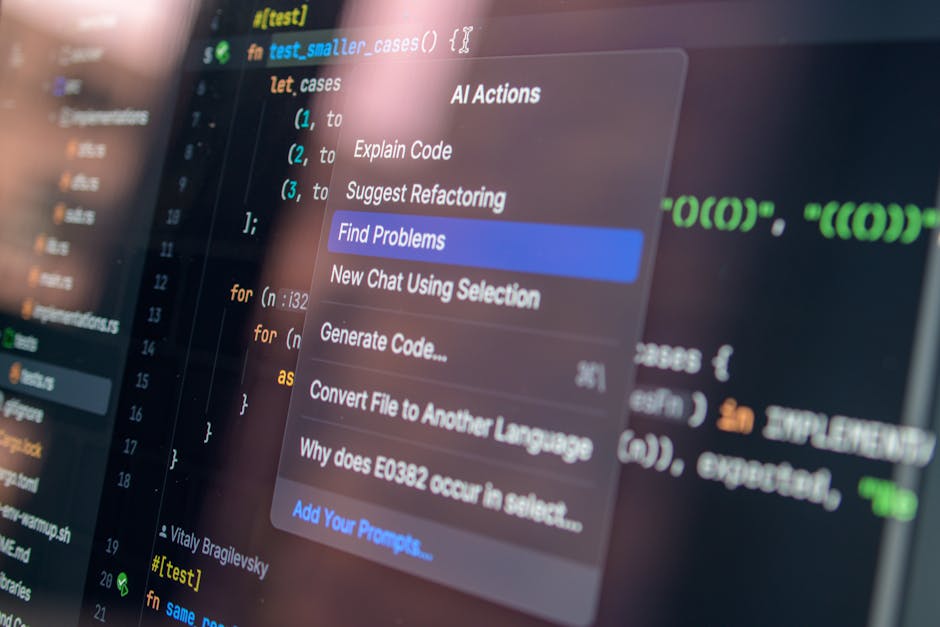
- OpenAI’s Codex AI model earned a $5 bounty on GitHub for fixing a security vulnerability.
- The milestone marks a significant step forward in AI models’ capabilities in contributing to security and maintenance of open-source software.
- OpenAI’s Codex model has expanded its capabilities beyond simple coding tasks, including code review and security testing.
- The model’s recent achievement demonstrates its potential in identifying and fixing security vulnerabilities in software development.
- AI-generated code is rapidly advancing, with applications in various programming languages and areas of software development.
The scene was set on the popular platform GitHub, where a community of developers collaborates on open-source projects. In a surprising turn of events, a pull request submitted by OpenAI’s Codex AI model was merged into a repository, earning the model a $5 bounty for fixing a security vulnerability. This milestone marks a significant step forward in the capabilities of AI models, as they begin to demonstrate their potential in contributing to the security and maintenance of open-source software.
Current State of AI-Generated Code

The current situation is one of rapid advancement in the field of AI-generated code. OpenAI’s Codex model, in particular, has been making waves with its ability to generate high-quality code in a variety of programming languages. The model’s capabilities have been expanding beyond simple coding tasks, with applications in areas such as code review and security testing. The recent bounty earn demonstrates the model’s potential in identifying and fixing security vulnerabilities, a critical aspect of software development.
History of AI-Generated Code

The story behind the story begins with the development of AI models capable of generating code. This journey started several years ago, with the introduction of models such as GitHub’s Copilot and OpenAI’s Codex. These models were initially designed to assist developers with coding tasks, providing suggestions and completing code snippets. Over time, the capabilities of these models have expanded, with applications in areas such as code review and security testing. The recent milestone achieved by OpenAI’s Codex model marks a significant step forward in this journey, as AI models begin to demonstrate their potential in contributing to the security and maintenance of open-source software.
Key Players and Motivations

The key players in this story are the developers and researchers behind OpenAI’s Codex model. Their motivations are centered around pushing the boundaries of what is possible with AI-generated code. By exploring applications in areas such as security testing and code review, these individuals aim to demonstrate the potential of AI models in contributing to the development and maintenance of software. The $5 bounty earned by the model serves as a testament to the progress being made in this area, and the potential for AI models to earn rewards for their contributions to open-source software.
Consequences and Implications

The consequences of this milestone are significant, with implications for the future of software development and the role of AI models in this process. As AI models begin to demonstrate their potential in contributing to the security and maintenance of open-source software, we can expect to see an increase in their adoption and utilization. This, in turn, may lead to improvements in the overall quality and security of software, as well as increased efficiency in the development process. Furthermore, the potential for AI models to earn rewards for their contributions to open-source software may create new opportunities for developers and researchers, and serve as an incentive for further innovation in this area.
The Bigger Picture
This development is part of a larger trend, as AI models begin to make their mark on the world of software development. The potential applications of AI-generated code are vast, with possibilities in areas such as DevOps and software engineering. As the capabilities of AI models continue to expand, we can expect to see significant advancements in the field of software development, and a growing role for AI in the creation and maintenance of software.
In conclusion, the recent milestone achieved by OpenAI’s Codex model marks a significant step forward in the capabilities of AI models, and demonstrates their potential in contributing to the security and maintenance of open-source software. As we look to the future, it will be exciting to see how this technology continues to evolve, and the impact it will have on the world of software development. With the potential for AI models to earn rewards for their contributions, we may see a new era of innovation and collaboration between humans and machines.
Source: I