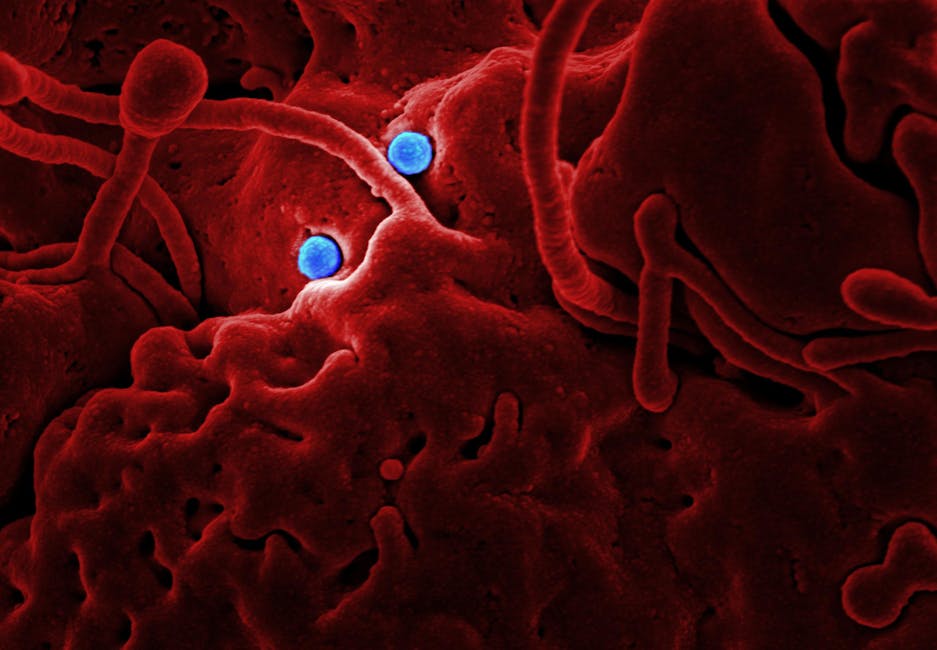
- A US passenger on a ship affected by the hantavirus has tested ‘mildly positive’ for the virus.
- The Centers for Disease Control and Prevention (CDC) is working with the World Health Organization (WHO) to assess the situation and prevent an outbreak.
- Hantavirus is a highly infectious and potentially deadly disease that can be transmitted through contact with infected rodents or their droppings.
- The virus is characterized by symptoms such as fever, headache, and muscle aches, which can escalate into severe conditions like HPS or HFRS.
- Health authorities are taking proactive measures to contain the spread of the virus, as the recent outbreak highlights its potential to spread beyond rural areas.
The arrival of passengers from a ship affected by the hantavirus in the US has raised significant concerns among health officials. With three people currently in biocontainment, the situation is being closely monitored. According to recent reports, a US passenger has tested “mildly positive” for the virus, although the World Health Organization (WHO) has deemed the result “inconclusive” for now. This development has sparked a wave of worry, as the hantavirus is known to be highly infectious and potentially deadly. The Centers for Disease Control and Prevention (CDC) is working in tandem with the WHO to assess the situation and prevent any potential outbreak.
Hantavirus: Understanding the Threat

The hantavirus is a serious viral disease that can be transmitted to humans through contact with infected rodents or their droppings. It is characterized by symptoms such as fever, headache, and muscle aches, which can rapidly escalate into more severe conditions like hantavirus pulmonary syndrome (HPS) or hemorrhagic fever with renal syndrome (HFRS). The virus is typically found in rural areas where rodents are common, but the recent outbreak on the ship highlights the potential for the virus to spread beyond its usual geographical boundaries. As such, it is crucial for health authorities to remain vigilant and take proactive measures to contain the spread of the virus.
Key Details of the Outbreak

Details of the outbreak are still emerging, but it is known that the ship in question had been traveling through areas where the hantavirus is endemic. Passengers and crew members who may have been exposed to the virus are being closely monitored, and those who are showing symptoms are being isolated and tested. The CDC and WHO are working together to trace the source of the outbreak and to identify anyone who may have come into contact with infected individuals. This collaborative effort is critical in preventing further spread of the virus and in protecting public health.
Analysis of the Situation

Experts are analyzing the situation to understand the causes and potential effects of the outbreak. The fact that the virus has been detected on a ship suggests that it may have been transmitted through human-to-human contact, which is a rare but possible mode of transmission for the hantavirus. Furthermore, the mild positive test result of the US passenger, although deemed inconclusive by the WHO, underscores the need for continued surveillance and testing. According to CDC reports, early detection and treatment are key to preventing severe outcomes from hantavirus infections. As such, health authorities are taking a cautious approach, ensuring that all necessary precautions are in place to safeguard public health.
Implications of the Outbreak

The implications of the outbreak are far-reaching, with potential consequences for both the individuals involved and the broader community. Those who have been exposed to the virus are at risk of developing severe symptoms, and there is also a risk of secondary transmission to others. Moreover, the economic and social impacts of the outbreak should not be underestimated, as it may lead to disruptions in travel and trade, as well as increased costs for healthcare and preventive measures. As the situation continues to unfold, it is essential for health authorities, governments, and the public to work together to mitigate these risks and prevent further spread of the virus.
Expert Perspectives
Experts in the field of infectious diseases are offering contrasting viewpoints on the situation. Some believe that the risk of a large-scale outbreak is low, given the swift response of health authorities and the implementation of containment measures. Others, however, are more cautious, highlighting the potential for the virus to spread quickly in densely populated areas. Dr. Maria Van Kerkhove, an expert in infectious diseases at the WHO, notes that “the situation is being closely monitored, and all necessary steps are being taken to prevent further transmission of the virus.”
Looking forward, there are many open questions regarding the outbreak. How will the situation evolve in the coming days and weeks? What measures will be taken to prevent further spread of the virus? And what can be done to support those who have been affected? As health authorities continue to investigate and respond to the outbreak, it is clear that a coordinated and proactive approach will be essential in protecting public health and preventing a potential crisis. For the latest updates and information on the hantavirus outbreak, individuals can visit the CDC website or consult reputable news sources.
Source: Ars Technica