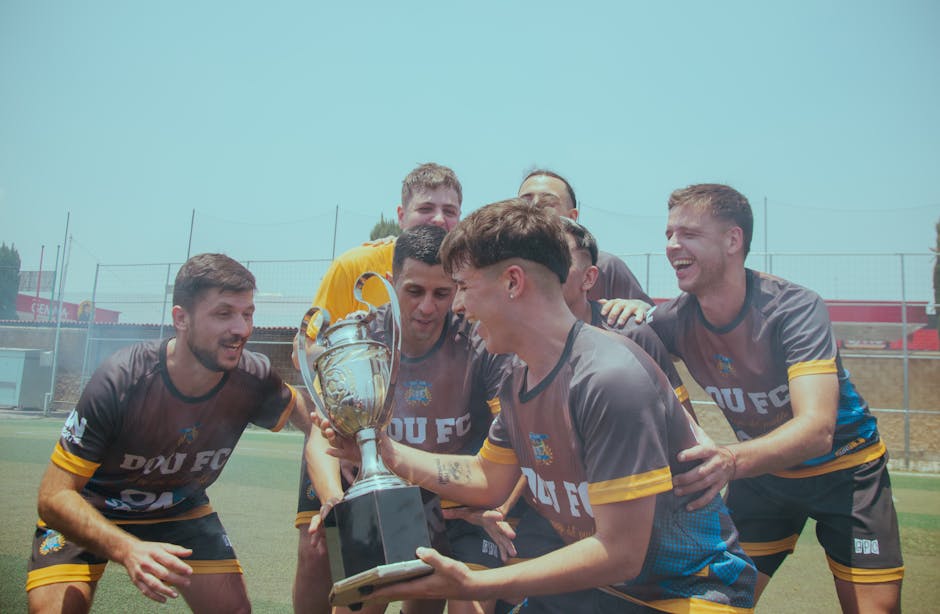
- Barcelona secured their 29th LaLiga title with a 2-0 win over Real Madrid, showcasing their dominance in Spanish football.
- The victory marked a significant shift in power in Spanish football, with Barca’s young and dynamic side outclassing their experienced rivals.
- Barcelona’s first-half performance was near-perfect, scoring two goals within 25 minutes and defending with discipline thereafter.
- Raphinha and Robert Lewandowski were key contributors, scoring crucial goals that sealed the championship for Barcelona.
- The match highlighted the impact of cohesive teamwork, with Barcelona’s midfield control and pressing limiting Real Madrid’s attacking threats.
Can Barcelona reclaim their dominance in Spanish football with a single, statement victory over Real Madrid? That was the question echoing across Catalonia and the global football world in the hours before El Clasico. With the LaLiga title within reach, Barcelona didn’t just answer—it roared. A thunderous 2-0 triumph at a raucous Camp Nou not only crushed Real Madrid’s fading hopes but officially crowned Barcelona as LaLiga champions for the 29th time in club history. The match, played with intensity and precision, offered more than bragging rights: it signaled a shifting balance of power in Spanish football, as a young, dynamic Barca side outclassed their more experienced rivals when it mattered most.
How Did Barcelona Seal the Title in El Clasico?

Barcelona secured the championship with a near-perfect first-half performance, scoring two goals within the opening 25 minutes and defending with discipline thereafter. Raphinha opened the scoring in the 13th minute with a clinical finish from a cross by Jules Koundé, exploiting Real Madrid’s high defensive line. Just 12 minutes later, Robert Lewandowski doubled the lead with a well-placed header off a corner kick, silencing the visiting contingent and igniting a sea of blue and red. From that point, Barcelona managed the game masterfully, limiting Real Madrid’s attacking threats through coordinated pressing and midfield control led by Gavi and Pedri. Despite late pressure, Real Madrid failed to break through, as goalkeeper Marc-André ter Stegen made crucial saves to preserve the clean sheet. The victory gave Barcelona an unassailable lead in the league table, confirming their status as 2023–24 LaLiga champions.
What Evidence Confirms Barcelona’s Resurgence?

This title win is no fluke—it’s the culmination of a season defined by consistency, tactical adaptability, and the emergence of a new generation. Under manager Xavi Hernández, Barcelona finished the campaign with 88 points, losing just four matches and winning 28, the most in the league. Their goal difference of +56 was second only to Real Madrid’s, but superior consistency in head-to-head and mid-table clashes proved decisive. According to BBC Sport, Barcelona averaged 2.1 goals per game and conceded just 0.8, reflecting their balanced approach. Xavi noted post-match: “This team has grown through adversity. We believed even when we had financial limits and youth players stepping up.” Indeed, players like Lamine Yamal, 16, and Alejandro Balde, 20, played pivotal roles throughout the season, showcasing a long-term vision beyond short-term success.
Are There Counterarguments to Barcelona’s Dominance?

Despite the euphoria, some critics argue that Barcelona’s title was aided by Real Madrid’s inconsistent form rather than outright superiority. Real Madrid entered the Clasico with four losses in their previous ten league games, including defeats to Sevilla and Real Sociedad, weakening their title challenge. Additionally, Barcelona’s financial constraints—well-documented by Reuters—raise questions about sustainability. The club has relied heavily on “financial levers,” selling future revenue streams to sign players, a model some analysts view as risky. Others point to the absence of a marquee summer signing in 2023 compared to Real Madrid’s acquisition of Jude Bellingham, suggesting Barca’s triumph leans more on collective cohesion than star power. While undeniable on the pitch, the long-term structural health of the club remains a subject of debate among football economists and governance experts.
What Are the Real-World Implications of This Victory?

The consequences of this title extend beyond the trophy lift. Domestically, it disrupts Real Madrid’s recent stranglehold on the league—Zinedine Zidane’s side had won three of the last five titles. For Barcelona, it validates their rebuild after the turbulent post-Messi era, restoring pride among fans and stakeholders. Internationally, the win enhances their appeal in commercial markets and strengthens their hand in negotiations for player contracts and sponsorships. The emergence of youth talent also sets a template for other clubs facing financial limits. Moreover, with both teams likely to meet again in the Copa del Rey final, the psychological edge now lies with Barcelona. This victory isn’t just about one season—it’s a declaration of intent for the next era of Spanish football.
What This Means For You
If you’re a football fan, this title win is a reminder that resilience and youth development can triumph over financial muscle. Barcelona’s journey—from post-Messi uncertainty to LaLiga glory—offers a compelling narrative about long-term planning and belief in homegrown talent. For neutral observers, it makes El Clasico more competitive and exciting, promising more thrilling chapters ahead. And for aspiring players, especially in Barcelona’s academy, it proves that opportunity awaits those ready to step up when it matters most.
But what happens next? Can Barcelona maintain this momentum in the UEFA Champions League, where they’ve fallen short in recent years? And how will Real Madrid respond in the transfer market this summer? The rivalry is far from over—this victory may only deepen the stakes for seasons to come.
Source: CBS Sports