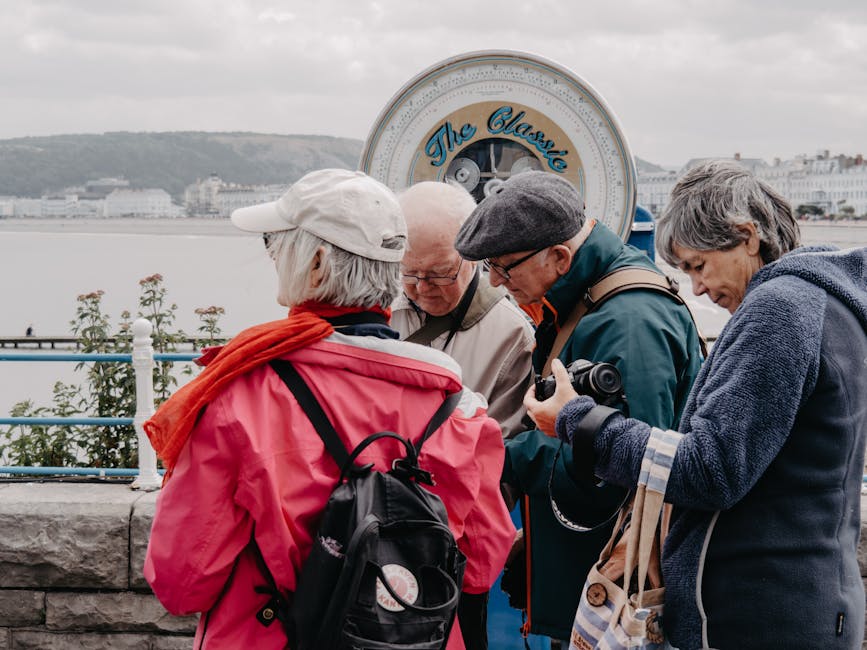
- Britons are opting for staycations over overseas holidays due to economic pragmatism and evolving travel preferences.
- The UK’s staycation boom is being driven by factors such as lingering post-pandemic caution, high international airfare costs, and stronger pound-to-euro exchange rates.
- Rural and coastal areas are experiencing a surge in bookings, particularly through platforms like Airbnb and Booking.com.
- A growing appreciation for sustainable travel and reduced carbon footprints is making local tourism more appealing to travelers.
- The staycation trend is likely to boost local economies, tourism infrastructure, and the future of British leisure.
Are Britons turning their backs on overseas holidays in favor of homegrown getaways? As summer approaches, a growing number of travelers appear to be opting for staycations, fueling a quiet revival in domestic tourism. With inflation cooling and consumer confidence inching upward, many households are reevaluating vacation budgets—and finding compelling reasons to explore the UK’s diverse landscapes and historic towns without crossing borders. Platforms like Airbnb and Booking.com report double-digit increases in UK bookings compared to last year, suggesting a shift not just in affordability but in travel mindset. What’s driving this resurgence, and what does it mean for local economies, tourism infrastructure, and the future of British leisure?
What’s Behind the Staycation Surge?

The UK’s staycation boom is being driven by a mix of economic pragmatism and evolving travel preferences. According to Booking.com, searches for UK-based accommodations rose 19% year-on-year, while Airbnb reported a 23% jump in domestic bookings, particularly in rural and coastal areas. Experts cite several factors: lingering post-pandemic caution, the high cost of international airfare, and stronger pound-to-euro exchange rates that no longer favor European trips. Additionally, a growing appreciation for sustainable travel and reduced carbon footprints has made local tourism more appealing. “People are realizing they don’t need to fly to find beauty or relaxation,” says travel analyst Lucy Chen of Oxford Economics. “The UK has world-class coastlines, national parks, and heritage sites—many of which are under-visited and deeply affordable by comparison.”
Where Are Travelers Going?

Data from tourism boards and booking platforms point to a geographic shift in domestic travel. While traditional hotspots like Cornwall and the Lake District remain popular, lesser-known areas are emerging as favorites. Northumberland, with its rugged coastline and medieval castles, saw a 34% increase in summer bookings. Similarly, the Wye Valley in Herefordshire and the Isle of Arran in Scotland are drawing attention for their scenic trails and quiet charm. Seasoned staycationers recommend spots like St. Dogmaels in Pembrokeshire—a coastal village with abbey ruins and tidal beaches—and the Suffolk market town of Woodbridge, praised for its riverside walks and independent shops. The BBC recently highlighted how off-the-beaten-path destinations are benefiting from social media buzz, with Instagram and TikTok influencers showcasing hidden beaches and boutique farm stays. This digital word-of-mouth is reshaping travel patterns and redistributing tourism revenue more evenly across regions.
Are There Downsides to the Staycation Boom?

Despite the economic benefits, some experts warn of potential downsides to the staycation surge. Over-tourism in small villages can strain local infrastructure, from parking and waste management to water supply. Residents in places like Port Isaac, Cornwall, have previously voiced concerns about holiday lets reducing long-term housing availability. There’s also the risk of seasonal dependency—economies that rely heavily on summer tourism may struggle with volatility when trends shift. Moreover, not all regions benefit equally: urban centers and post-industrial towns without notable natural attractions often miss out. “The staycation economy is unevenly distributed,” notes Dr. Amina Patel, a geographer at the University of Manchester. “Without strategic investment, we risk deepening regional inequalities.” Some critics also argue that the romanticization of rural life overlooks the challenges faced by rural service providers, from staffing shortages to limited transport links.
What Does This Mean for Local Economies?

The rise in staycations is providing a tangible boost to local businesses, from family-run B&Bs to farm shops and guided tour operators. In Northumberland, small inns report being fully booked by June, a trend not seen since before the pandemic. The Association of Leading Visitor Attractions (ALVA) noted a 12% year-on-year increase in footfall at regional museums and historic sites during the spring. This influx supports seasonal employment and encourages entrepreneurship, such as pop-up food markets and outdoor adventure services. Rural tourism is also prompting infrastructure upgrades—some councils are expanding broadband access and public transport to accommodate visitors. Reuters reported in May that rural tourism now contributes over £10 billion annually to the UK economy, with staycations accounting for nearly 60% of domestic overnight trips. For many communities, this revival offers a path to sustainable economic resilience.
What This Means For You
If you’re planning a summer break, the staycation trend offers more than just savings—it opens doors to underappreciated corners of the UK, often with a more authentic and relaxed experience than crowded resorts. Whether you’re hiking in the Peak District or kayaking along the Norfolk Broads, supporting local tourism helps sustain small businesses and preserves cultural heritage. Consider visiting in shoulder seasons to reduce pressure on popular sites and enjoy lower prices. The shift toward domestic travel isn’t just a temporary response to economic conditions—it may signal a lasting change in how we value leisure and community.
As the staycation movement grows, a critical question remains: can the UK build a balanced, inclusive domestic tourism model that benefits both visitors and residents? And how can policymakers ensure that rising demand doesn’t come at the expense of local quality of life or environmental sustainability?
Source: BBC