- Hantavirus is not easily transmissible between humans, unlike COVID-19, and poses a limited, localized threat.
- The World Health Organization has confirmed a cargo ship with one crew member testing positive for hantavirus is en route to the Canary Islands.
- Hantavirus primarily spreads through inhalation of contaminated aerosols, not person-to-person contact.
- The infected sailor is believed to have been exposed in South America, where certain strains of the virus are endemic.
- The World Health Organization has stated that this incident does not indicate a new global health crisis.
Is the arrival of a ship linked to a hantavirus case in the Canary Islands the first sign of a new global health crisis? As the vessel approached Spanish waters, social media lit up with speculation, fear, and memories of early 2020 when cruise ships became symbols of unchecked viral spread. Residents on the islands expressed concern, recalling lockdowns, overwhelmed hospitals, and global uncertainty. But the World Health Organization moved swiftly to calm nerves, with Director-General Tedros Adhanom Ghebreyesus personally addressing the situation. His message was clear: this is not another COVID-19. Unlike the novel coronavirus that spread silently across borders, hantavirus is not easily transmissible between humans and poses a limited, localized threat. So why the alarm—and how does this incident fit into the broader landscape of post-pandemic vigilance?
What We Know About the Hantavirus Ship Situation

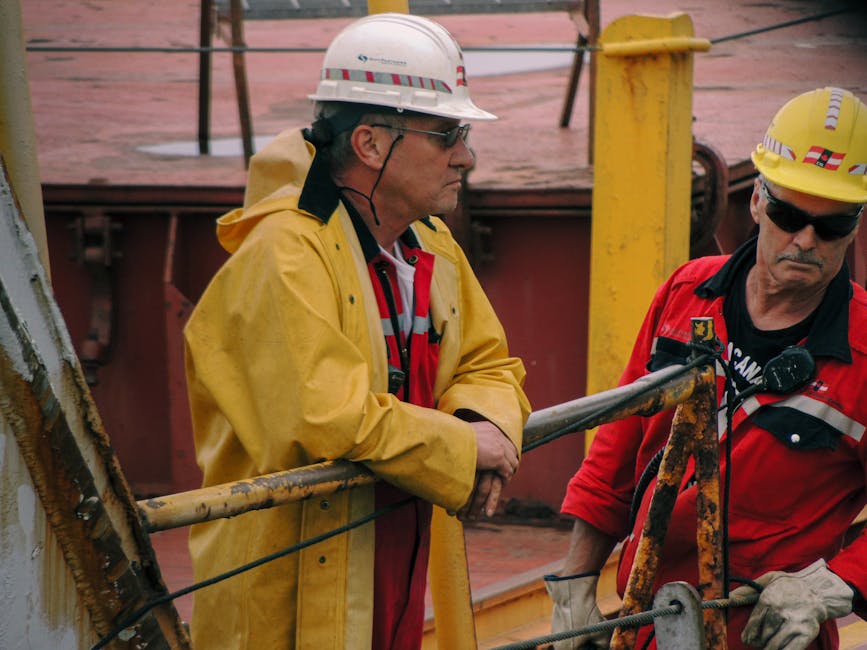
The World Health Organization has confirmed that a cargo ship with one crew member testing positive for hantavirus is en route to the Canary Islands, a Spanish archipelago off the northwest coast of Africa. The sailor, believed to have been exposed in South America—where certain strains of the virus are endemic—developed symptoms during the voyage and was isolated immediately. Unlike SARS-CoV-2, hantavirus does not spread efficiently from person to person; transmission primarily occurs through inhalation of aerosolized urine, droppings, or saliva from infected rodents. The WHO, in coordination with Spanish health authorities, has emphasized that the risk to the public is extremely low. Dr. Tedros, speaking during a press briefing, stated: “This is not another COVID. We are not facing a respiratory pandemic.” The ship is being managed under strict biocontainment protocols, and no secondary cases have been reported among the crew. The Canary Island government has activated its health monitoring systems but has not issued public restrictions.
Scientific and Epidemiological Evidence on Hantavirus Risk

Hantavirus infections remain rare, with fewer than 1,000 cases reported globally each year, according to the World Health Organization. The virus causes two primary illnesses: hantavirus pulmonary syndrome (HPS) in the Americas and hemorrhagic fever with renal syndrome (HFRS) in Asia and Europe. Both are severe but require direct exposure to rodent carriers. Person-to-person transmission has only been documented in a single outbreak—the 1996 Argentinean cluster involving the Andes virus—and even then, it was limited and inefficient. In contrast, SARS-CoV-2 spreads rapidly through respiratory droplets and aerosols, enabling exponential growth. The CDC notes that hantavirus has a high fatality rate—up to 40% in some HPS cases—but its low transmissibility prevents widespread outbreaks. Dr. Maria Van Kerkhove, WHO’s technical lead on emerging diseases, reiterated that “there is no evidence of sustained human-to-human transmission” and praised the swift reporting and isolation measures taken by the shipping crew and health officials.
Why Some Remain Skeptical Despite Official Reassurance

Despite the scientific consensus, public skepticism persists—understandably so. The early days of the COVID-19 pandemic were marked by downplayed risks, inconsistent messaging, and delayed responses from global institutions, including the WHO. Many recall initial statements that the virus did not spread easily between humans, only to see it become a worldwide catastrophe. Online forums like Reddit’s r/news have seen heated debates, with users questioning whether officials are repeating past mistakes by minimizing the threat. Some experts also caution against complacency: while hantavirus is not airborne like SARS-CoV-2, climate change and increased global shipping may expand rodent habitats and create new exposure pathways. Dr. Angela Rasmussen, a virologist at the University of Saskatchewan, told Reuters that “any zoonotic virus in a mobile population warrants attention,” even if the immediate risk is low. The fear, she notes, is less about this case and more about systemic underpreparedness for future spillovers.
Real-World Impact: From Public Anxiety to Policy Response

The psychological and political impact of the hantavirus ship incident extends beyond epidemiology. In the Canary Islands, local officials faced pressure to restrict port access and screen incoming travelers—measures reminiscent of 2020 but now scrutinized for proportionality. While no broad restrictions were imposed, health teams are monitoring the crew and port workers for symptoms. The incident also underscores how global trade networks can transport pathogens across continents, even if they don’t spark pandemics. Shipping companies are now reviewing rodent control protocols and crew health reporting systems. Meanwhile, Spanish media coverage has highlighted the challenge of balancing transparency with reassurance. Overreaction risks fueling unnecessary panic, but underreaction could erode public trust. This case, though contained, serves as a stress test for post-COVID health communication and international coordination.
What This Means For You
If you live outside rodent-endemic areas or don’t work in high-exposure settings like agriculture or pest control, your risk of hantavirus is minimal. Unlike COVID-19, it won’t spread through casual contact or crowded spaces. However, this incident reminds us that global health vigilance must continue—even for diseases that don’t go viral. Knowing the difference between high-consequence and high-contagion pathogens helps cut through fear-based narratives. Public health agencies must now work harder to rebuild trust through transparency, especially after pandemic-era missteps.
Still, a critical question remains: as climate change and global mobility increase the frequency of zoonotic encounters, how can the world detect and respond to emerging threats without triggering undue panic? The answer may lie not in more restrictions, but in smarter surveillance, clearer communication, and systems that earn the public’s confidence before the next alert sounds.
Source: Cbc