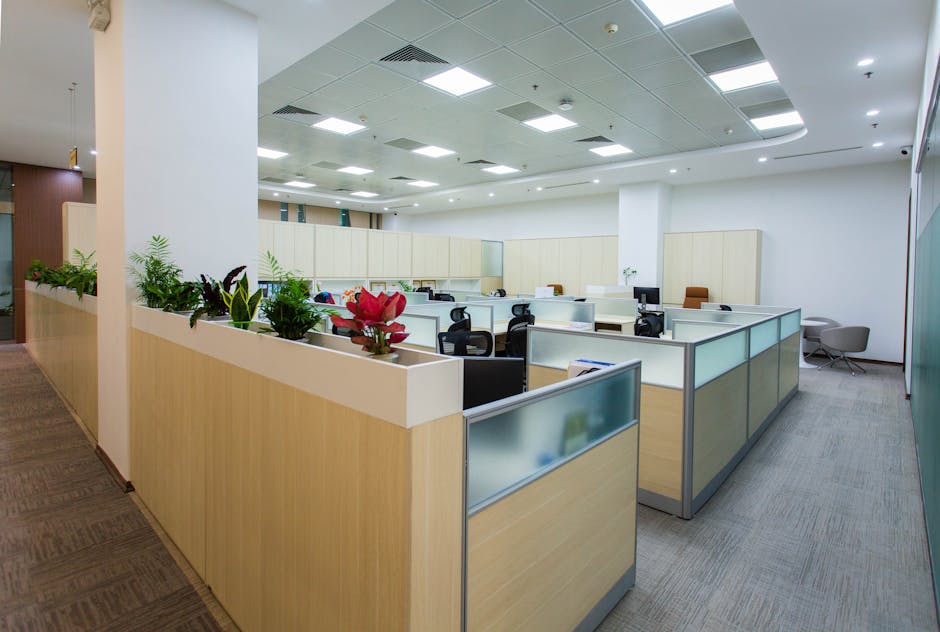
- A new study links office air to skin and hair changes, citing dry environments and airborne particles.
- Dermatologists and environmental health experts support the ‘office air theory’ as a valid concern for skin and hair health.
- Indoor office environments with low humidity levels can degrade skin hydration, often below the recommended 40%–60% range.
- Air conditioning systems can strip moisture from the air, exacerbating skin and hair issues.
- Poor filtration in older buildings allows dust, mold spores, and other airborne particles to contribute to skin and hair problems.
Can the air in your office really change how your skin and hair look? That’s the question sweeping social media, where thousands are sharing personal stories of breakouts, dry scalp, and brittle hair they attribute to long hours in air-conditioned office buildings. Dubbed the “office air theory,” this trend has gone viral on platforms like TikTok and Instagram, with users posting “before and after” photos and claiming their complexions deteriorated shortly after returning to in-person work. While some dismiss it as another internet fad, dermatologists and environmental health experts say there’s growing evidence that indoor office environments—often dry, poorly ventilated, and laden with airborne particles—can indeed influence skin and hair health over time.
What Is the ‘Office Air Theory’?

The “office air theory” suggests that prolonged exposure to indoor office environments—particularly those with climate control, fluorescent lighting, and recycled air—can degrade the condition of skin and hair. While not a formal medical diagnosis, the term has gained traction as a way to describe subtle but noticeable changes in appearance reported by office workers. Experts explain that controlled indoor climates often maintain low humidity levels, typically between 20% and 40%, far below the 40%–60% range recommended for optimal skin hydration. Air conditioning systems can strip moisture from the air, and in older buildings, poor filtration may allow dust, mold spores, and volatile organic compounds (VOCs) from office equipment and furnishings to circulate. According to Dr. Neha Singh, a dermatologist at the Center for Environmental Dermatology, “The combination of dry air, temperature fluctuations, and airborne irritants creates a perfect storm for skin barrier disruption and scalp inflammation.”
What Does the Science Say About Indoor Air and Skin Health?

Multiple studies support the idea that indoor air quality impacts dermatological health. A 2023 review published in Scientific Reports found that office workers in low-humidity environments reported significantly higher rates of skin dryness, irritation, and eczema flare-ups. The study analyzed data from over 3,000 employees across 12 countries and concluded that relative humidity was a key predictor of skin barrier function. Additionally, research from the CDC’s National Institute for Occupational Safety and Health highlights that indoor air can be two to five times more polluted than outdoor air, with office printers, carpets, and cleaning products releasing VOCs like formaldehyde and benzene—chemicals known to trigger oxidative stress in skin cells. This stress accelerates aging, reduces collagen production, and may contribute to hair follicle damage over time.
Are There Counterarguments to the Office Air Theory?

Despite mounting evidence, some experts caution against attributing skin and hair issues solely to office environments. Dr. Alan Park, a trichologist at the Institute for Hair Science, argues that lifestyle factors—such as diet, stress, sleep quality, and personal skincare routines—often play a more significant role than ambient air. “While indoor conditions can exacerbate existing conditions, they’re rarely the primary cause,” he says. Others point out that the viral nature of the theory may lead to confirmation bias, where individuals interpret normal seasonal changes—like winter dryness—as proof of office-related damage. Moreover, modern green-certified office buildings increasingly incorporate advanced HVAC systems, HEPA filtration, and biophilic design elements that mitigate air quality risks. Critics also note that social media anecdotes lack the rigor of clinical trials and may overstate correlations as causations, especially when symptoms overlap with hormonal shifts, medication side effects, or underlying dermatological disorders.
How Are Workers Experiencing This in Real Life?

Despite skepticism, real-world reports suggest a pattern worth noting. In Toronto, software developer Lena Cho noticed her scalp became flaky and her face breakout-prone within weeks of returning to her downtown office. After switching to remote work, she reported dramatic improvement. “I thought it was stress at first, but everything cleared up when I left the building environment,” she said in an interview with The Globe and Mail. Similar stories have emerged from cities like London, Seoul, and New York, where employees in high-rise offices describe “post-work glow”—except it’s a dull, tight, irritated complexion instead of a healthy one. Some companies have responded by investing in air quality monitors, installing humidifiers, and offering dermatological wellness stipends. In 2025, a tech startup in Berlin introduced “skin days”—remote work options during periods of high indoor pollution—to support employee well-being.
What This Means For You
If you spend most of your day in an office, you don’t need to panic—but you should pay attention to your environment. Maintaining skin and hair health in dry, indoor spaces involves simple steps: use a hydrating moisturizer with ceramides, consider a personal humidifier at your desk, and wash your face after work to remove accumulated pollutants. Wearing breathable fabrics and minimizing direct airflow from vents can also help. Most importantly, listen to your body. If you notice consistent changes in your skin or hair, consult a dermatologist to rule out other causes while considering environmental triggers.
Still, the broader question remains: as hybrid work models evolve, should employers be held accountable for the biological impact of indoor air quality? With rising awareness, will building standards adapt to protect not just respiratory health but dermatological well-being too? The conversation is just beginning.
Source: Healthline