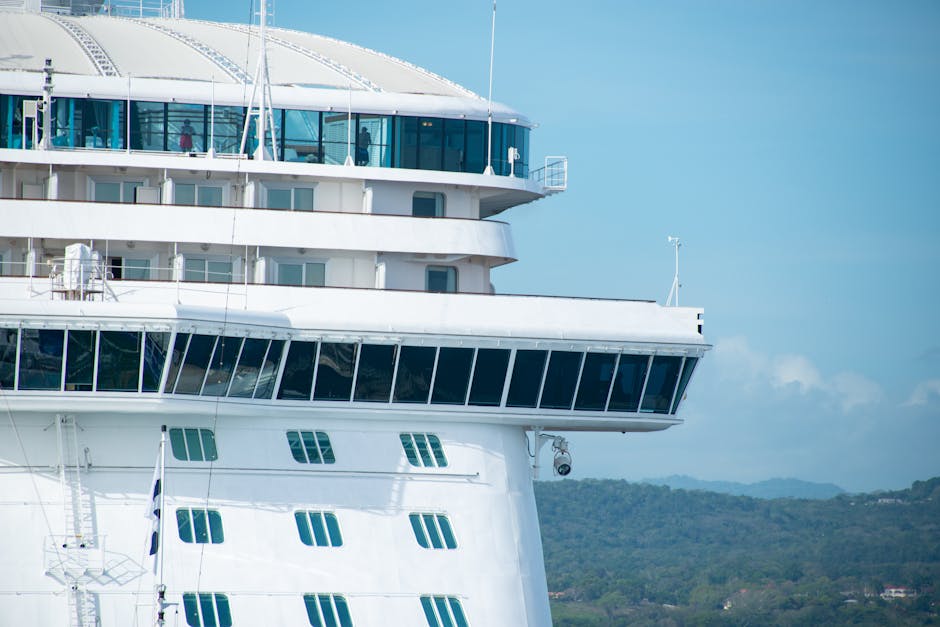
- Over 100 Caribbean Princess cruise passengers have been sickened by norovirus, highlighting concerns about virus spread in confined environments.
- Norovirus is the leading cause of foodborne illness outbreaks on cruise ships, accounting for approximately 90% of all reported outbreaks.
- Close living quarters and shared facilities onboard cruise ships make them conducive to norovirus spread.
- Cruise lines must implement rigorous sanitation and hygiene protocols to minimize norovirus outbreak risk.
- Maintaining high hygiene standards and prompt reporting of illnesses are crucial to preventing norovirus outbreaks.
A striking fact has emerged from the recent norovirus outbreak aboard the Caribbean Princess cruise ship, where more than 100 passengers have been sickened. The outbreak, which was reported to the Centers for Disease Control and Prevention (CDC), has raised concerns about the spread of the highly contagious virus in confined environments like cruise ships. With the virus causing symptoms such as diarrhea, vomiting, and stomach cramps, the affected passengers are being treated onboard, and the ship’s crew is taking measures to prevent further spread. The incident highlights the importance of maintaining high hygiene standards and prompt reporting of illnesses to prevent outbreaks.
Norovirus Outbreak: A Growing Concern

The norovirus outbreak on the Caribbean Princess cruise ship is not an isolated incident, but rather part of a larger trend of gastrointestinal illnesses on cruise ships. According to the CDC, norovirus is the leading cause of foodborne illness outbreaks on cruise ships, accounting for approximately 90% of all reported outbreaks. The close living quarters and shared facilities onboard cruise ships create an environment conducive to the spread of the virus, making it essential for cruise lines to implement rigorous sanitation and hygiene protocols to minimize the risk of outbreaks. As the cruise industry continues to grow in popularity, the need for effective measures to prevent and respond to norovirus outbreaks has become increasingly important.
Investigation and Response

The CDC has launched an investigation into the norovirus outbreak on the Caribbean Princess cruise ship, working closely with the ship’s crew and local health authorities to determine the cause of the outbreak and prevent further spread. The ship’s crew has implemented enhanced cleaning and disinfection procedures, and passengers and crew members are being educated on the importance of proper hygiene practices, such as frequent handwashing and proper food handling. The CDC is also monitoring the situation closely, providing guidance and support to the ship’s crew and local health authorities as needed. As the investigation continues, the CDC will work to identify the source of the outbreak and implement measures to prevent similar incidents in the future.
Causes and Effects of Norovirus Outbreaks

Norovirus outbreaks on cruise ships are often caused by a combination of factors, including poor hygiene practices, contaminated food and water, and the close living quarters onboard. The virus can spread quickly through person-to-person contact, contaminated surfaces, and airborne transmission. The effects of a norovirus outbreak can be severe, with symptoms lasting from a few days to several weeks. In addition to the physical toll on affected passengers, norovirus outbreaks can also have significant economic and reputational impacts on cruise lines, highlighting the need for proactive measures to prevent and respond to outbreaks. According to World Health Organization (WHO), norovirus is a leading cause of gastroenteritis worldwide, affecting people of all ages.
Implications of the Outbreak

The norovirus outbreak on the Caribbean Princess cruise ship has significant implications for the cruise industry, highlighting the need for enhanced sanitation and hygiene protocols to prevent the spread of the virus. The outbreak also raises concerns about the potential for norovirus to spread to other ships and ports, emphasizing the importance of prompt reporting and investigation of illnesses. As the CDC continues to monitor the situation, cruise lines must take proactive measures to prevent similar incidents, including implementing rigorous sanitation and hygiene protocols, providing education and training to crew members, and ensuring that passengers are aware of the risks and take necessary precautions to prevent the spread of the virus.
Expert Perspectives
Experts in the field of epidemiology and public health are weighing in on the norovirus outbreak, offering contrasting viewpoints on the causes and consequences of the incident. Some experts argue that the outbreak highlights the need for more stringent regulations and guidelines for the cruise industry, while others emphasize the importance of individual responsibility and awareness in preventing the spread of the virus. Dr. Anne Schuchat, a former CDC official, notes that “norovirus outbreaks on cruise ships are a reminder of the importance of vigilance and prompt action in preventing the spread of infectious diseases.” As the investigation continues, expert perspectives will play a critical role in shaping the response to the outbreak and informing strategies to prevent similar incidents in the future.
Looking ahead, the norovirus outbreak on the Caribbean Princess cruise ship raises important questions about the future of the cruise industry and the measures that can be taken to prevent similar incidents. As the CDC continues to monitor the situation and investigate the causes of the outbreak, cruise lines must take proactive steps to enhance sanitation and hygiene protocols, educate passengers and crew members, and prevent the spread of the virus. With the cruise industry expected to continue growing in popularity, the need for effective measures to prevent and respond to norovirus outbreaks has never been more pressing. According to The New York Times, the cruise industry is taking steps to improve sanitation and hygiene protocols, but more needs to be done to prevent outbreaks.
Source: Nbcnews