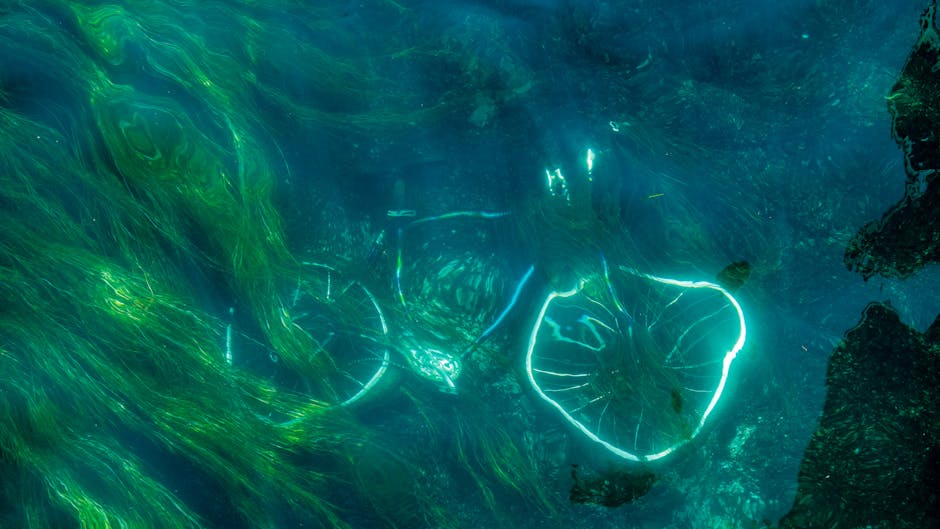
- Scientists have successfully harnessed bioluminescent algae to create innovative 3D-printed shapes.
- This breakthrough has significant implications for environmental monitoring and the development of biosensors.
- Glowing algae within biosensors can signal the presence of harmful substances, enabling swift interventions.
- Bioluminescence, the ability of living organisms to produce light, has captivated humans for centuries.
- Unlocking the secrets of bioluminescence can lead to new technologies with far-reaching applications.
The mesmerizing display of bioluminescent algae has long fascinated scientists and beachgoers alike. Now, researchers in the US have successfully harnessed the blue light emitted by Pyrocystis lunula, a species of single-celled algae, to create innovative 3D-printed shapes. This breakthrough has significant implications for the development of biosensors that can detect toxins in the environment, potentially revolutionizing the field of environmental monitoring. With the ability to embed these algae within biosensors, scientists envision a future where glowing alerts signal the presence of harmful substances, enabling swift and targeted interventions.
Unlocking the Secrets of Bioluminescence

The phenomenon of bioluminescence, where living organisms produce their own light, has captivated humans for centuries. Pyrocystis lunula, in particular, is renowned for its brief flashes of blue light, which can create dazzling displays in large clumps. By understanding the mechanisms behind this bioluminescence, scientists can unlock new technologies with far-reaching applications. The current research builds upon earlier studies, which have explored the potential of bioluminescent organisms in various fields, including biomedical research and environmental monitoring. As the scientific community continues to unravel the mysteries of bioluminescence, we can expect to see innovative solutions emerge, transforming industries and improving our daily lives.
Harnessing the Power of Pyrocystis lunula

Scientists have made significant strides in harnessing the power of Pyrocystis lunula, leveraging its bioluminescent properties to create light-emitting structures. By incorporating the algae into 3D-printed materials, researchers have successfully produced shapes that glow with a captivating blue light. This achievement not only demonstrates the potential of bioluminescent organisms in materials science but also opens up new avenues for the development of sustainable and environmentally friendly technologies. As the world shifts towards more eco-conscious practices, the use of bioluminescent algae in 3D printing could play a vital role in reducing our reliance on artificial lighting and minimizing waste.
Delving into the World of Biosensors

The application of bioluminescent algae in biosensors is a particularly exciting area of research, with significant implications for environmental monitoring and public health. By embedding Pyrocystis lunula within biosensors, scientists can create devices that glow when toxins are detected, providing a rapid and effective warning system. This technology has the potential to revolutionize the way we monitor and respond to environmental hazards, enabling targeted interventions and minimizing the risk of exposure to harmful substances. According to a study published on Nature, the use of bioluminescent organisms in biosensors could provide a cost-effective and sustainable solution for environmental monitoring.
Understanding the Implications

The successful harnessing of bioluminescent algae’s blue light has far-reaching implications for various industries and aspects of our lives. From the development of sustainable technologies to the creation of innovative biosensors, this breakthrough has the potential to transform the way we approach environmental monitoring and materials science. As researchers continue to explore the properties and applications of Pyrocystis lunula, we can expect to see new and exciting innovations emerge, improving our daily lives and contributing to a more sustainable future. For instance, the use of bioluminescent algae in 3D printing could lead to the creation of sustainable lighting solutions, reducing our reliance on artificial lighting and minimizing waste.
Expert Perspectives
Experts in the field of bioluminescence and materials science are hailing this breakthrough as a significant step forward, with many highlighting the potential of bioluminescent algae in various applications. While some researchers are focusing on the development of biosensors, others are exploring the use of Pyrocystis lunula in sustainable technologies, such as bioluminescent streetlights. As the scientific community continues to debate and discuss the implications of this research, one thing is clear: the harnessing of bioluminescent algae’s blue light has opened up new and exciting avenues for innovation and discovery.
Looking to the future, it is clear that the potential of bioluminescent algae is vast and largely untapped. As researchers continue to explore the properties and applications of Pyrocystis lunula, we can expect to see new and innovative technologies emerge, transforming industries and improving our daily lives. One open question remains: how will the harnessing of bioluminescent algae’s blue light impact our understanding of the natural world and our place within it? Only time will tell, but one thing is certain – this breakthrough has ignited a new wave of scientific inquiry and innovation, with far-reaching implications for our future.
Source: The Guardian