- Hantavirus is primarily zoonotic, jumping from animals to humans, and not efficiently transmitted between humans.
- Modern cruise ships have conditions that prevent widespread hantavirus transmission, making it virtually nonexistent in the general population.
- Hantavirus requires prolonged exposure to rodent droppings, urine, or saliva for transmission to occur.
- The fatality rate of hantavirus pulmonary syndrome (HPS) is nearly 40%, but transmission conditions are absent on cruise ships.
- The risk of hantavirus spreading from person to person on cruise ships is extremely low, with no evidence of efficient human-to-human transmission.
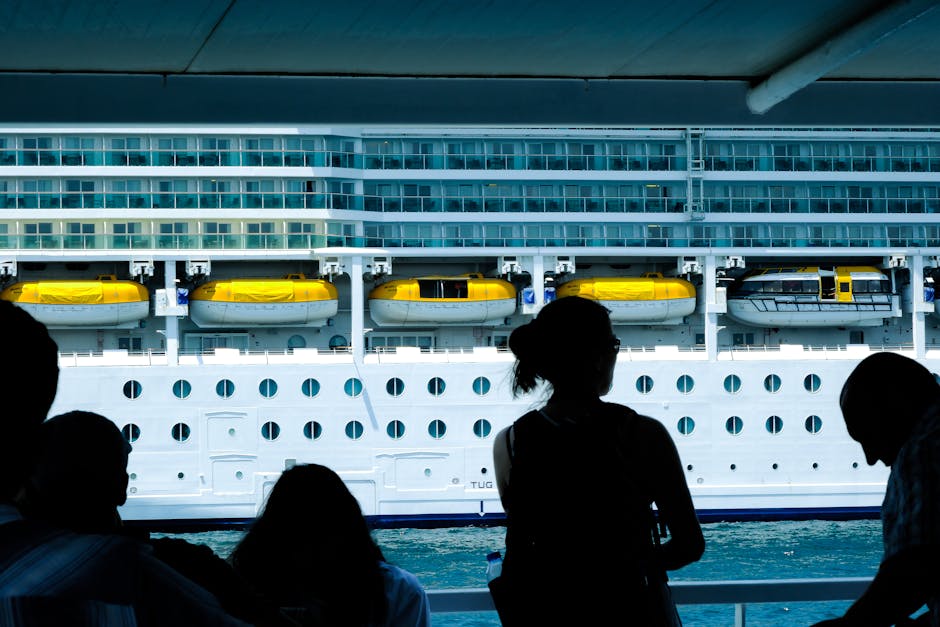
Could a deadly virus lurking on a cruise ship spark the next pandemic? That question went viral after reports emerged of a hantavirus case aboard a cruise vessel, reigniting fears of mass contagion just years after the global trauma of COVID-19. Yet health experts are quick to emphasize a crucial distinction: this is not a repeat of the early 2020 outbreak. Unlike SARS-CoV-2, hantavirus is not efficiently transmitted between humans and typically requires prolonged exposure to rodent droppings, urine, or saliva. While any case of hantavirus pulmonary syndrome (HPS) is serious—carrying a fatality rate of nearly 40%—the conditions for widespread transmission are absent on modern cruise ships and virtually nonexistent in the general population. So why the alarm, and how real is the threat?
Is hantavirus spreading from person to person on cruise ships?

No, there is no evidence that hantavirus spreads easily—or at all—between humans in this context. The virus is primarily zoonotic, meaning it jumps from animals, specifically rodents, to humans. According to the U.S. Centers for Disease Control and Prevention (CDC), nearly all hantavirus infections in North America result from inhaling aerosolized particles from infected rodent waste, particularly in enclosed, poorly ventilated spaces like cabins or storage areas. While rare instances of person-to-person transmission have been documented in South America with the Andes virus strain, such cases are exceptional and have not been seen with the more common Sin Nombre virus in the U.S. The isolated case on the cruise ship likely stemmed from prior exposure before boarding or from contact with rodent-infested cargo or storage zones, not from human contact during the voyage.
What evidence supports low transmission risk?

Decades of epidemiological data reinforce that hantavirus does not behave like airborne respiratory viruses. Since its identification during the 1993 Four Corners outbreak in the southwestern U.S., fewer than 1,200 cases have been reported nationwide, averaging about 30 per year. A 2021 study published in CDC’s Morbidity and Mortality Weekly Report confirmed that no sustained human-to-human transmission has occurred in North America. Furthermore, cruise lines follow strict sanitation protocols monitored by the Vessel Sanitation Program, a CDC initiative that inspects ships for hygiene compliance. Rodent sightings are rare, and pest control measures are standard. As Dr. Angela Luis, a disease ecologist at the University of Montana, explained in a Nature feature, “Hantavirus is a tragic but isolated threat. It doesn’t spread like flu or COVID—it’s about where and how you’re exposed, not who you’re near.”
Why do some experts still urge caution?

Despite the low risk, some public health specialists warn against complacency, particularly as climate change alters rodent habitats and human encroachment increases exposure risks. Warmer winters and shifting precipitation patterns can boost rodent populations, raising the baseline risk in rural and peri-urban areas. Additionally, cruise ships sourcing food or supplies from regions with higher rodent infestation rates—such as parts of South America or Asia—could inadvertently transport infected nesting materials. While the ship itself is not a breeding ground for hantavirus, the global supply chain might introduce vectors. Skeptics also point to underreporting in remote areas and the lack of diagnostic infrastructure in many countries, meaning some cases may go undetected. Moreover, the severity of HPS—where patients can deteriorate rapidly from flu-like symptoms to respiratory failure—means even one case demands thorough investigation and containment protocols.
What are the real-world consequences of such outbreaks?

The primary impact of a hantavirus case on a cruise ship is psychological and economic, not epidemiological. Passengers may panic, demand refunds, or cancel future trips, as seen after the 2020 Diamond Princess incident, even when the actual health risk is negligible. Public health agencies must then divert resources to contact tracing, environmental testing, and public reassurance. In one documented case in 2017, a hantavirus infection linked to Yosemite National Park led to millions in lost tourism revenue despite only ten cases. On a ship, a single case can trigger port denials, quarantine orders, and reputational damage to cruise operators. However, for the average traveler, the risk remains dwarfed by more common threats: CDC data shows that car accidents, foodborne illness, and seasonal flu pose far greater dangers on vacation than hantavirus.
What This Means For You
If you’re planning a cruise or recently returned from one, the odds of contracting hantavirus are astronomically low. Focus instead on standard health precautions: wash your hands, report any rodent sightings to staff, and avoid touching insulation or stored materials in less-frequented ship areas. The bigger lesson is media literacy—sensational headlines can amplify fear disproportionate to actual risk. Understanding how diseases spread empowers better personal decisions and reduces unnecessary anxiety.
Still, could changing ecosystems and global travel patterns create new pathways for rare diseases to emerge in unexpected places? As human and animal habitats continue to intersect, monitoring zoonotic threats—even obscure ones—may become a critical part of global health security.
Source: Ars Technica