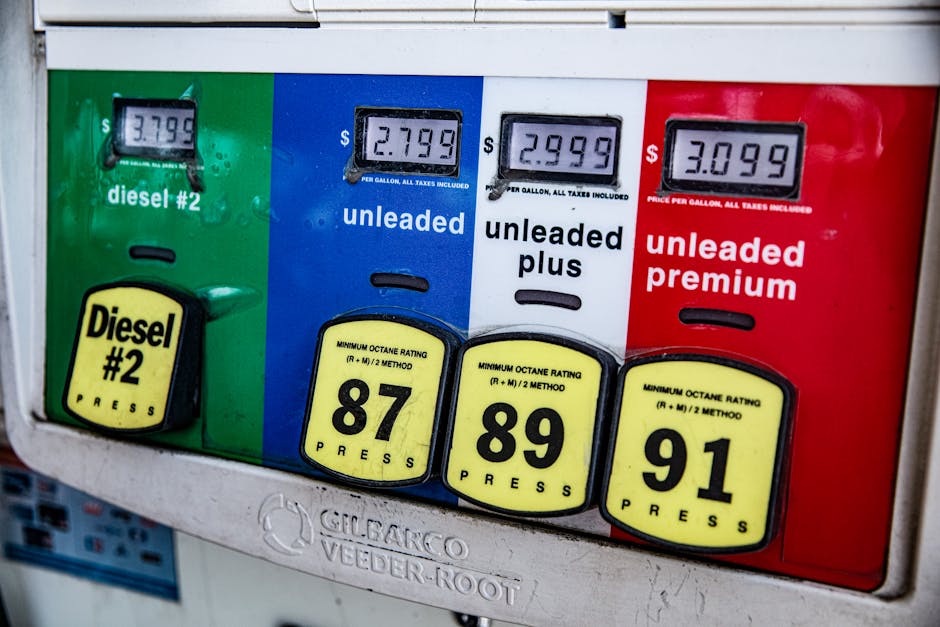
- The Biden administration is considering a temporary suspension of the federal gas tax to alleviate high fuel costs.
- A federal gas tax pause could reduce pump prices by nearly 20 cents per gallon.
- The federal excise tax of 18.4 cents per gallon has remained unchanged since 1993.
- The proposal has gained traction among lawmakers across the political spectrum.
- A gas tax suspension may offer symbolic comfort but does not address deeper energy supply and demand issues.
With gasoline prices surging past $4 per gallon in many states, Americans are asking: Could the federal government actually pause the gas tax to provide immediate relief at the pump? The idea, long debated during periods of high fuel costs, has resurfaced with new urgency. Energy Secretary Jennifer Granholm recently confirmed that the Biden administration is actively considering a temporary suspension of the 18.4-cent federal excise tax on gasoline. As inflation continues to squeeze household budgets, the proposal has gained traction among lawmakers across the political spectrum. But would such a move meaningfully reduce prices, or merely offer symbolic comfort without addressing deeper structural issues in energy supply and demand?
Is a Federal Gas Tax Pause on the Table?

Yes, the Biden administration is seriously evaluating a temporary suspension of the federal gas tax. Secretary Granholm stated in a recent interview with Reuters that the option is under active review as part of a broader strategy to combat rising fuel prices. The federal excise tax of 18.4 cents per gallon has remained unchanged since 1993 and applies to every gallon of gasoline sold in the U.S. Suspending it, even for a few months, could reduce pump prices by nearly 20 cents per gallon. While the administration has not yet committed to the policy, Granholm emphasized the need to explore all tools available to ease cost-of-living pressures. The idea aligns with similar bipartisan calls in Congress, where both Democrats and Republicans have introduced legislation to implement a gas tax holiday.
What Evidence Supports a Gas Tax Suspension?

Economic models and past proposals suggest that suspending the gas tax could deliver measurable, albeit temporary, relief. According to the Tax Foundation, eliminating the 18.4-cent federal tax would reduce gasoline prices nationwide, with the largest savings seen in states with high fuel consumption. During the 2000 and 2008 energy crises, similar ideas were floated—though never implemented federally—with estimates then showing savings of 10 to 20 cents per gallon. More recently, in 2022, several states including California, Florida, and Illinois enacted their own temporary gas tax cuts. A study by the University of Michigan found that Florida’s 25-cent cut led to an average price drop of 17 cents within three weeks, suggesting that tax reductions can translate directly to consumer savings. However, economists caution that the full benefit may not always reach drivers, as market dynamics and refining margins can absorb part of the reduction.
What Are the Counterarguments to Pausing the Tax?

Critics argue that a gas tax holiday is a short-term fix that fails to address the root causes of high fuel prices, such as global oil supply constraints and refining capacity. Some economists, including those at the Brookings Institution, warn that the savings might not be fully passed on to consumers, especially in areas with limited competition among gas stations. Additionally, the federal gas tax funds the Highway Trust Fund, which supports road maintenance and public transit projects. A three-month suspension could cost up to $10 billion in lost revenue, potentially jeopardizing infrastructure spending already approved under the 2021 Bipartisan Infrastructure Law. Environmental advocates also oppose the measure, arguing it incentivizes driving and delays the transition to electric vehicles and cleaner energy sources.
What Would a Gas Tax Pause Mean in Practice?

For the average American driver, a temporary gas tax suspension could translate into real savings—potentially $10 to $15 per fill-up depending on tank size and local prices. A family driving 1,000 miles per month could save roughly $30 over a 90-day period. States like New York, Pennsylvania, and Texas, where fuel consumption is high, would see the broadest impact. However, the benefits may vary by region; in areas with already low competition or high state-level fuel taxes, the price drop might be less noticeable. Moreover, timing is critical: if global oil prices decline independently due to market adjustments, the tax holiday might coincide with falling prices, making its impact appear larger than it actually is. Conversely, if supply disruptions persist, the savings could be quickly erased by rising crude costs.
What This Means For You
If you’re feeling the pinch at the pump, a federal gas tax holiday could offer modest, short-term relief—likely reducing your fuel costs by a few cents per gallon. However, it won’t solve long-term affordability issues or reduce dependence on fossil fuels. The move would be symbolic as much as practical, signaling federal awareness of economic strain. For now, it’s wise to conserve fuel where possible, consider carpooling, and stay informed about local and federal policy changes. While a tax pause may bring temporary comfort, lasting solutions will require broader energy and transportation reforms.
Will a federal gas tax suspension actually change consumer behavior or simply provide political cover during an election year? And if implemented, how will policymakers offset the lost infrastructure funding? These questions remain unanswered as the debate continues in Washington.
Source: The New York Times