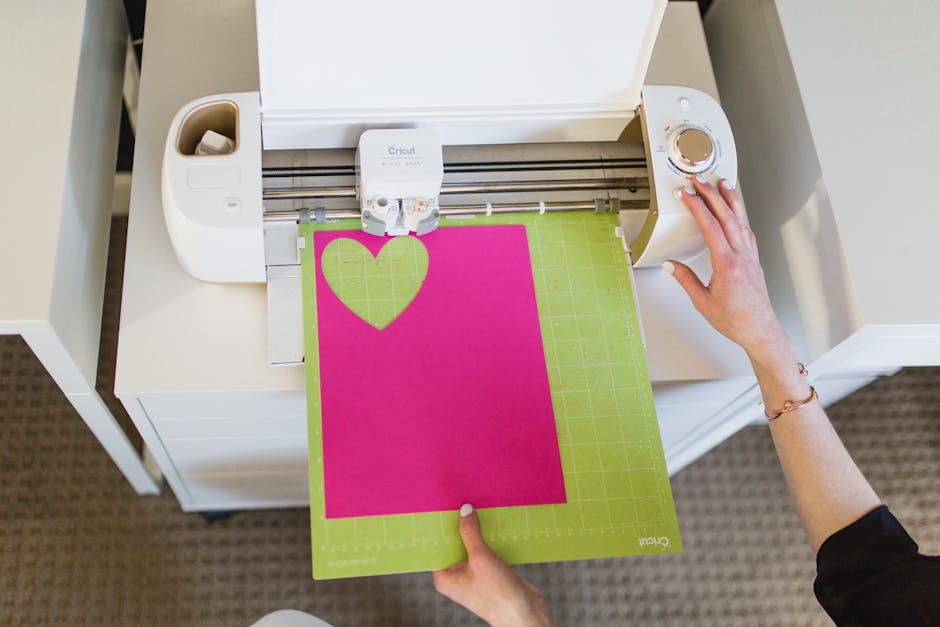
- The Cricut Joy 2 is a compact, Wi-Fi-enabled cutting machine designed for small-scale crafting projects.
- The device measures 8.5 by 4.5 inches and connects seamlessly to the Cricut app via Bluetooth or Wi-Fi.
- Users can select designs from Cricut’s extensive online library or create their own using the app’s intuitive design tools.
- The machine precisely cuts materials like vinyl, cardstock, transfer tape, and even bonded fabric using interchangeable tools.
- The Cricut Joy 2 is a gateway for anyone who’s ever felt too intimidated, too busy, or too uninspired to start making.
Can a $99 machine really reignite your creativity? That’s the question I kept asking myself after unboxing the Cricut Joy 2, a palm-sized cutting and drawing device marketed to crafters, hobbyists, and even beginners with no artistic background. I’ve long been skeptical of products that promise to unlock creativity—most feel like overpriced gimmicks that gather dust. But after three weeks of using the Joy 2 to make stickers, greeting cards, bookmarks, and custom labels, I’ve had to reconsider. This isn’t just a tool for seasoned crafters; it’s a gateway for anyone who’s ever felt too intimidated, too busy, or too uninspired to start making. In a world saturated with digital content and passive consumption, could a small machine that cuts vinyl and cardstock actually help rebuild a lost connection to hands-on creation?
What Is the Cricut Joy 2 and How Does It Work?

The Cricut Joy 2 is a compact, Wi-Fi-enabled cutting machine designed for small-scale crafting projects. Measuring just 8.5 by 4.5 inches, it fits easily on a desk or kitchen table and connects seamlessly to the Cricut app via Bluetooth or Wi-Fi. Users select designs from Cricut’s extensive online library—over 100,000 templates—or create their own using the app’s intuitive design tools. Once a design is chosen, the machine precisely cuts materials like vinyl, cardstock, transfer tape, and even bonded fabric using interchangeable tools. What sets the Joy 2 apart is its Smart Materials compatibility: adhesive-backed vinyl rolls that require no cutting mat, making setup and cleanup nearly effortless. The process—from selecting a design to holding a finished sticker—often takes less than 10 minutes. This immediacy lowers the barrier to entry, turning crafting from a weekend project into something achievable during a lunch break.
What Evidence Supports Its Impact on Creative Engagement?

User testimonials and sales data suggest the Joy 2 is more than a novelty. According to Reuters reporting on the DIY boom, Cricut saw a 40% increase in machine sales during 2022–2023, with the Joy line leading the charge among urban millennials and Gen Z users. A 2023 survey by the Craft & Hobby Association found that 68% of new crafters cited ease of use and app integration as key factors in adopting digital crafting tools. One user on Reddit shared, “I haven’t made anything by hand since elementary school. The Joy 2 let me make birthday cards for my coworkers without stress.” Psychologically, the machine taps into the satisfaction of creation with minimal friction—a concept explored in Mihaly Csikszentmihalyi’s work on flow states, where clear goals and immediate feedback foster engagement. By automating precision tasks, the Joy 2 allows users to focus on design and personalization, preserving the emotional reward of handmade work without the frustration of imperfect cuts or wasted materials.
What Are the Counterarguments to Its Creative Value?

Not everyone is convinced the Joy 2 fosters genuine creativity. Critics argue it outsources too much of the craft, reducing the user to a curator rather than an artisan. In a Guardian opinion piece on digital crafting, writer Clara Parkes questioned whether machines that rely on pre-made designs dilute the authenticity of handmade goods. “When every sticker looks like it came from the same template library, where’s the individual voice?” she asked. Others point to environmental concerns: single-use adhesive materials, proprietary cartridges, and electronic waste from short-lived gadgets. There’s also a financial caveat—while the $99 machine seems affordable, costs add up quickly with branded materials, subscription-based design access (via Cricut Access), and replacement blades. For purists, the Joy 2 represents convenience over craft, automation over artistry, and consumption over creation.
What Is the Real-World Impact on DIY Culture?

Despite skepticism, the Joy 2 is reshaping who participates in crafting and how. Teachers use it to make classroom labels and student rewards. Small business owners create custom packaging and branding stickers. Parents design personalized gifts for school fundraisers. The machine has gained traction in therapeutic settings, too—occupational therapists have begun using it with patients recovering from anxiety or trauma, where structured, tactile activities support emotional regulation. Etsy sellers report that Cricut-made items now dominate niches like personalized planners and wedding decor, reflecting both demand and accessibility. More subtly, the Joy 2 is normalizing the idea that creativity isn’t reserved for the talented or retired. It’s something that can be integrated into daily life, even in five-minute bursts. This shift mirrors broader tech trends—like no-code platforms and AI art tools—that democratize creation by abstracting technical complexity.
What This Means For You
If you’ve ever wanted to make something with your hands but didn’t know where to start, the Cricut Joy 2 removes many traditional roadblocks. It’s not a substitute for traditional craftsmanship, but it is a valid entry point. For under $100, you gain access to a system that combines design simplicity with physical output, offering a rare blend of digital convenience and tangible reward. Whether you’re labeling spice jars or designing holiday cards, the act of making—even with machine assistance—can restore a sense of agency and mindfulness in an overwhelming world.
But the deeper question remains: as technology continues to simplify creative processes, how do we redefine what it means to be ‘truly’ creative? Will tools like the Joy 2 expand our definition of artistry, or dilute it? And as more of us outsource precision to machines, what parts of the creative process are worth preserving by hand?
Source: The Verge