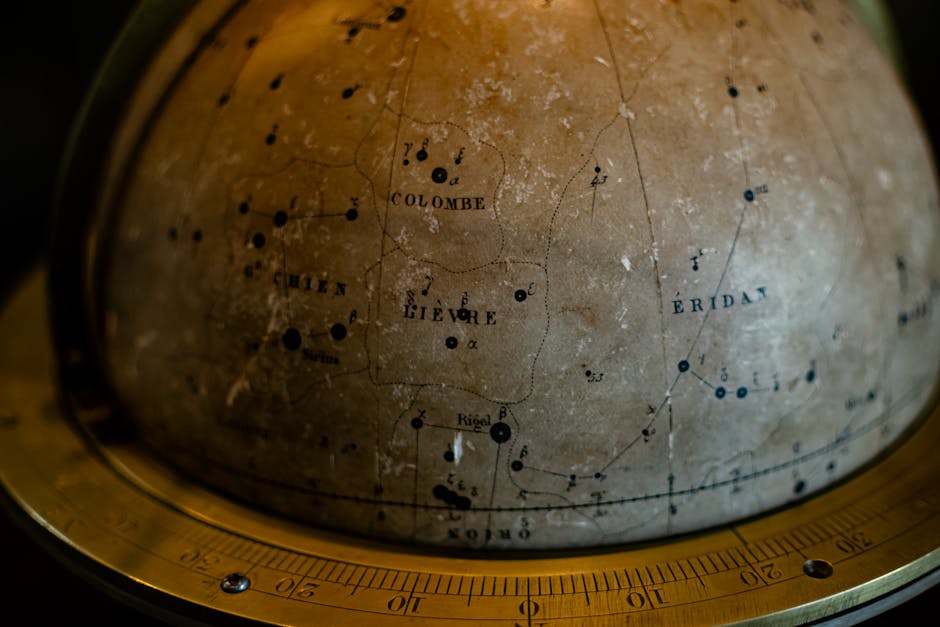
- A 17th century astrolabe set a new record at auction, sparking interest among historians and collectors.
- The device, measuring over 50 inches in diameter, is possibly the largest astrolabe in existence.
- The astrolabe, once owned by Indian royalty, features intricate engravings and markings to calculate celestial bodies.
- The sale highlights the advanced knowledge and skills of ancient astronomers and craftsmen.
- The rare device is a testament to the Mughal Empire’s significance in astronomical learning and discovery.
The sale of a rare 17th century astrolabe, an ancient astronomical computer, has set a new record at auction. The device, which was once owned by Indian royalty, is possibly the largest in existence and had never been exhibited before. The astrolabe, which measures over 50 inches in diameter, is a remarkable example of ancient technology and craftsmanship. It is made of brass and features intricate engravings and markings that were used to calculate the position of celestial bodies. The sale of this rare device has sparked interest among historians, scientists, and collectors, who are eager to learn more about its history and significance.
The History of Astrolabes

Astrolabes have been used for centuries to calculate the position of celestial bodies and to navigate the stars. These ancient devices were used by astronomers, navigators, and explorers to chart the movements of the sun, moon, and stars. The astrolabe that was sold at auction is a rare example of a 17th century device that was used by Indian royalty. It is believed to have been made in the royal workshops of the Mughal Empire, which was a major center of astronomical learning and discovery during the 17th century. The device is a testament to the advanced knowledge and skills of ancient astronomers and craftsmen.
The Auction and Its Significance

The auction of the astrolabe was a significant event that attracted bidders from around the world. The device was sold for a record price, which reflects its rarity and historical significance. The sale of the astrolabe is also significant because it highlights the growing interest in ancient technology and craftsmanship. Collectors and historians are increasingly seeking out rare and unusual devices like the astrolabe, which provide a glimpse into the past and shed light on the achievements of ancient civilizations. The sale of the astrolabe is also a reminder of the importance of preserving our cultural heritage and protecting rare and historic devices for future generations.
Understanding the Astrolabe

The astrolabe is a complex device that consists of a series of rotating disks and markings that are used to calculate the position of celestial bodies. It is made up of a mater, a rete, and a set of altitude rings, which work together to provide a precise measurement of the position of the sun, moon, and stars. The astrolabe that was sold at auction features intricate engravings and markings that were used to calculate the position of celestial bodies. It is a remarkable example of ancient technology and craftsmanship, and it provides a glimpse into the advanced knowledge and skills of ancient astronomers and craftsmen. For more information on astrolabes, visit the Wikipedia page on astrolabes.
Implications of the Sale

The sale of the astrolabe has significant implications for historians, scientists, and collectors. It highlights the growing interest in ancient technology and craftsmanship, and it reflects the increasing value that is being placed on rare and historic devices. The sale of the astrolabe also raises questions about the preservation and protection of our cultural heritage. As rare and historic devices like the astrolabe become increasingly valuable, there is a risk that they will be lost or destroyed. It is therefore important that we take steps to preserve and protect these devices, and to make them available for study and appreciation by future generations.
Expert Perspectives
Experts in the field of ancient astronomy and technology have welcomed the sale of the astrolabe, which they believe will help to raise awareness and interest in this fascinating area of study. According to Dr. Maria Rodriguez, a historian of astronomy at the Nature journal, the astrolabe is a remarkable example of ancient technology and craftsmanship. “The astrolabe is an incredible device that reflects the advanced knowledge and skills of ancient astronomers and craftsmen,” she said. “It is a testament to the ingenuity and creativity of our ancestors, and it provides a glimpse into the past that is both fascinating and informative.”
Looking to the future, it will be interesting to see how the sale of the astrolabe affects the market for rare and historic devices. Will it lead to an increase in demand for these devices, and will it spark a new wave of interest in ancient technology and craftsmanship? Only time will tell, but one thing is certain – the sale of the astrolabe is a significant event that will be remembered for years to come. For more information on the latest developments in the field of ancient astronomy, visit the Science Daily website.
Source: BBC