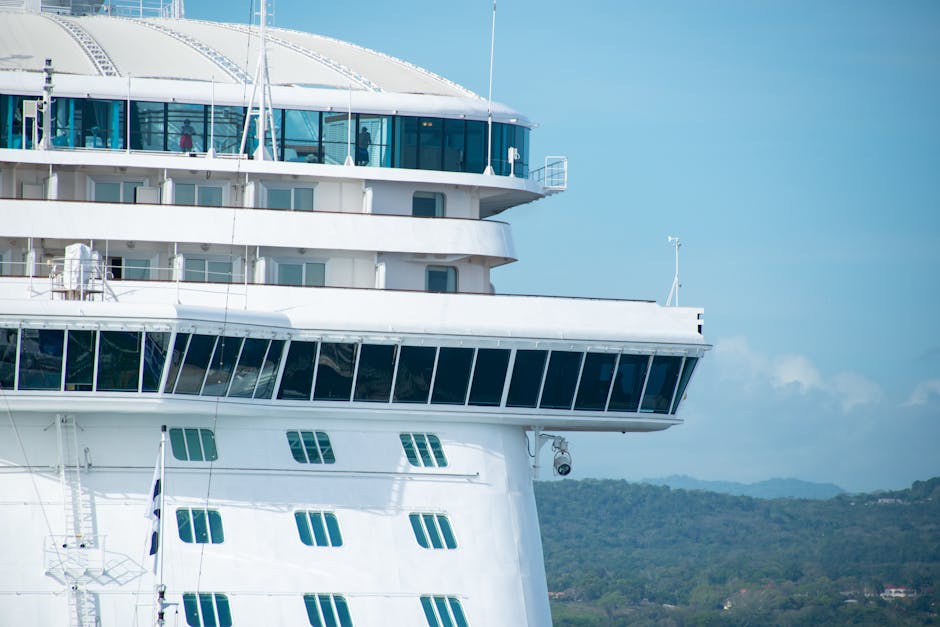
- UK cruise passengers are being placed in hospital isolation as a precautionary measure due to potential exposure to hantavirus.
- The cruise ship visited remote South American ports, increasing the risk of exposure to the rodent-borne disease.
- Hantavirus is primarily transmitted through contact with rodent droppings, urine, or saliva, not person-to-person.
- Public health officials are taking a cautious approach given the confined spaces and potential for human exposure.
- The incident highlights vulnerabilities in managing emerging infectious diseases across borders, particularly in the post-pandemic travel landscape.
Why are British travelers being placed in hospital isolation after returning from a cruise? That’s the question sweeping social media and news outlets after reports emerged that several UK nationals aboard a vessel potentially exposed to hantavirus are now under medical supervision. The cruise, which visited remote South American ports, is under investigation after a crew member was diagnosed with the rare but serious rodent-borne disease. With no known human-to-human transmission in most hantavirus strains, the decision to hospitalize returning passengers has raised eyebrows. Yet public health officials insist the measure is precautionary, not indicative of an outbreak. As global travel rebounds post-pandemic, the incident underscores persistent vulnerabilities in managing emerging infectious diseases across borders.
Are UK Cruise Passengers at Risk of Hantavirus?

Public health authorities have confirmed that the UK passengers are not currently showing symptoms of hantavirus but are being isolated as a precaution due to potential exposure during the cruise. According to the UK Health Security Agency (UKHSA), the decision follows a report of a crew member on the vessel developing symptoms consistent with hantavirus pulmonary syndrome (HPS) after docking in Chile. While hantavirus is primarily transmitted through contact with rodent droppings, urine, or saliva — not person-to-person — officials are erring on the side of caution given the confined spaces and shared ventilation systems on cruise ships. The affected passengers, all British nationals, were on a 14-day expedition cruise visiting Patagonian fjords and sub-Antarctic islands, regions known to host rodent species capable of carrying the virus. The UKHSA emphasized that the isolation is not a quarantine order per se, but a monitoring protocol to ensure rapid response if symptoms develop.
What Evidence Supports the Isolation Decision?

The rationale for hospital-based monitoring stems from documented cases of hantavirus in South America, particularly in Argentina and Chile, where the Andes virus strain has shown rare instances of human-to-human transmission. According to the World Health Organization, the Andes virus is the only hantavirus genotype confirmed to spread between people, primarily through close contact with infected individuals during the early symptomatic phase. In 2019, an outbreak in southern Chile linked to the Andes virus resulted in several fatalities and prompted regional health alerts. The cruise ship in question docked in Puerto Williams, Chile — near the epicenter of past outbreaks — raising concerns that environmental contamination may have occurred. Additionally, rodent infestations have been reported on vessels operating in remote, poorly sealed ports where biosecurity protocols may be lax. The UKHSA is working with Chilean health authorities to inspect the ship and assess environmental samples for the presence of rodent excreta or viral particles.
Are Health Officials Overreacting?

Some epidemiologists argue that the hospital isolation of asymptomatic individuals may be an overcorrection, especially given the extremely low likelihood of transmission outside known endemic zones. Dr. Lena Matthews, an infectious disease expert at the London School of Hygiene & Tropical Medicine, noted that while vigilance is warranted, “placing otherwise healthy travelers in hospital settings may strain resources and cause unnecessary anxiety.” She emphasized that standard hantavirus prevention focuses on environmental control — such as rodent-proofing buildings and using protective gear during cleanup — rather than isolating exposed individuals. Others point out that during the 2014-2016 Ebola scare, similar isolation measures for returning healthcare workers were later criticized as fear-driven rather than evidence-based. Critics also highlight that hantavirus has a fatality rate of approximately 38% in HPS cases, but fewer than 100 cases are reported globally each year, making it a rare threat compared to other pathogens. The current response, they argue, may reflect lingering pandemic-era sensitivities to infectious disease risks rather than immediate clinical necessity.
What Are the Real-World Implications?

The incident has already triggered broader consequences for cruise tourism and international health coordination. Several UK-based travel firms have suspended bookings for expeditions to southern South America pending further risk assessments. Meanwhile, Chilean port authorities have announced new biosecurity inspections for all departing and arriving vessels in Tierra del Fuego. The case also highlights gaps in global health surveillance for zoonotic diseases, particularly in ecotourism zones where human-wildlife interaction is increasing. For the affected passengers, the isolation period — expected to last up to six weeks, the maximum incubation window for hantavirus — means prolonged medical monitoring and potential psychological strain. Families of those isolated have expressed confusion and frustration over the lack of public clarity in the early stages of the announcement. The situation may prompt a review of international health regulations regarding exposure to rare pathogens during cross-border travel.
What This Means For You
If you’re planning international travel, especially to remote or ecologically sensitive regions, this case underscores the importance of understanding local disease risks and ensuring your travel insurer covers medical isolation. While hantavirus remains extremely rare, the incident shows how quickly public health responses can escalate based on location, past outbreaks, and precautionary principles. Travelers should research destinations for zoonotic disease prevalence and practice standard hygiene — such as avoiding contact with wild rodents and poorly ventilated enclosed spaces in rural areas. For now, there is no evidence suggesting a wider public health threat in the UK.
Could this case redefine how health agencies respond to rare disease exposures in the post-pandemic era? And what balance should be struck between precaution and proportionality when dealing with low-probability, high-consequence health events? As global mobility increases, the answer may shape the future of international travel medicine.
Source: Reuters