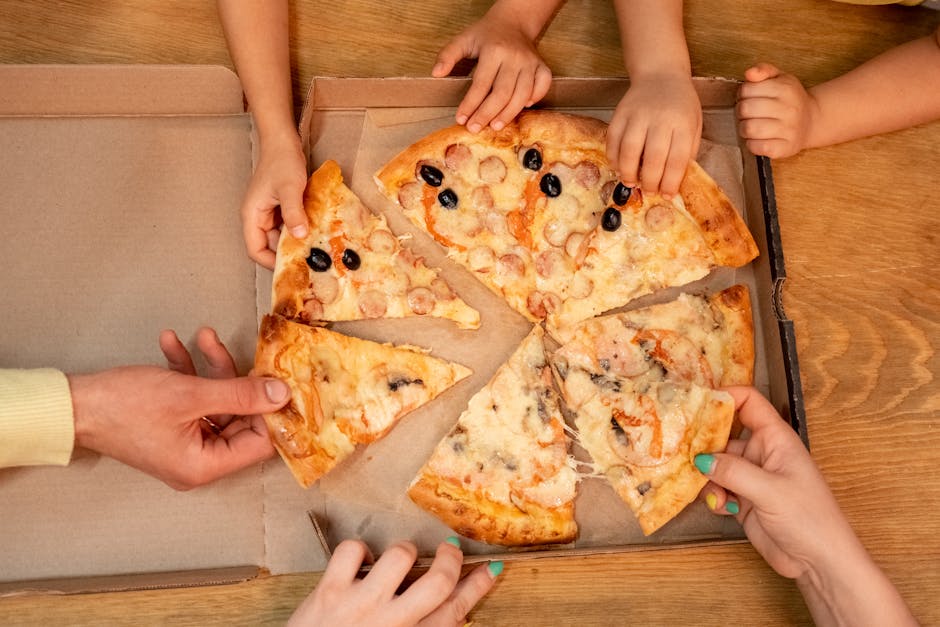
- 58% of parents in England report being frequently pressured by their children to buy junk food.
- 72% of parents give in to their children’s demands for high-fat, salt, and sugar products at least ‘sometimes’.
- The pattern of child-led junk food requests is most prevalent among parents of children aged 6–12 (63%).
- One in four parents (23%) report their children pestering them ‘very often’ for junk food.
- The study highlights the growing influence children have over household food choices from an early age.
Over half of parents in England report being routinely pressured by their children to purchase junk food while shopping, according to a nationally representative survey presented at the European Congress on Obesity (ECO 2026) in Istanbul. The study reveals that 58% of parents experience frequent pestering for high-fat, salt, and sugar (HFSS) products, with 72% ultimately yielding to these demands. This widespread pattern underscores the growing influence children exert over household food choices, raising concerns among public health experts about the effectiveness of current dietary interventions and the role of marketing, environment, and parenting strategies in shaping eating behaviors from an early age.
High Rates of Child-Led Junk Food Requests

The survey, conducted by researchers at the University of Cambridge, included responses from 1,542 parents across England, selected to reflect national demographics in age, income, region, and ethnicity. Participants reported that 58% frequently face requests for HFSS products during grocery shopping, whether in-store or online, with the figure rising to 63% among parents of children aged 6–12. Nearly one in four (23%) said their children pestered them ‘very often,’ while 72% admitted to purchasing the requested item at least ‘sometimes,’ and 41% doing so ‘most of the time’ or ‘always.’ These findings, based on self-reported data collected between January and March 2026, were presented as part of a broader analysis on childhood obesity drivers. According to the UK government’s nutrient profiling model, HFSS foods include items like sugary cereals, chocolate bars, savory snacks, and sugar-sweetened beverages—all of which are subject to advertising and promotional restrictions under recent public health policies. These regulations were introduced to reduce childhood exposure to unhealthy food marketing, yet the survey suggests they may not be fully mitigating in-store or home-based influences.
Key Players: Parents, Children, and Food Brands

The study identifies a dynamic interplay between children, parents, and the broader food environment. Children, particularly those under 12, are increasingly exposed to branded food content through social media, packaging, and peer influence, which amplifies their ability to recognize and demand specific products. Parents, meanwhile, often face time and emotional pressure during shopping trips, leading to compliance as a conflict-avoidance strategy. Focus groups conducted alongside the survey revealed that many parents view giving in as a ‘small concession’ to maintain peace or reward good behavior. Food manufacturers, though restricted from prominent in-store promotions of HFSS items, still benefit from brand loyalty cultivated through packaging design, cartoon imagery, and product placement. Retailers also play a role: impulse-buy zones near checkouts and targeted online ads during e-commerce sessions continue to expose families to unhealthy options, despite UK rules banning prominent placement of HFSS goods at entrances and checkouts. Public Health England officials have cited such environmental cues as critical leverage points that, if unaddressed, undermine parental efforts to instill healthy habits.
Trade-Offs Between Convenience, Control, and Health

The tension between child autonomy, parental authority, and health outcomes presents complex trade-offs. On one hand, allowing children to participate in food decisions can foster engagement and long-term nutritional literacy. On the other, frequent capitulation to unhealthy requests may reinforce poor eating patterns linked to obesity, dental decay, and metabolic disorders. The study notes that households with lower socioeconomic status reported higher compliance rates—suggesting that financial constraints, time pressures, and reduced access to alternative healthy options may amplify the challenge. Conversely, parents who set consistent rules and used distraction techniques or pre-shopping lists were significantly less likely to yield to pestering. However, such strategies require planning and emotional bandwidth, which may be limited in high-stress environments. From a policy standpoint, restricting exposure is only half the solution; equipping parents with behavioral tools and ensuring equitable access to affordable, appealing healthy foods are equally vital for shifting long-term outcomes.
Why This Issue Is Escalating Now

The timing of these findings reflects a convergence of social and regulatory shifts. Since 2022, the UK has implemented strict rules limiting the promotion of HFSS foods in physical and online retail environments, aiming to ‘nudge’ consumers toward healthier choices. Yet, as online grocery shopping now accounts for over 12% of all food purchases in the UK—a rise accelerated by the pandemic—digital platforms introduce new vulnerabilities. Personalized recommendations, targeted banners, and one-click reorder functions make it easier for children’s preferences to be embedded in household shopping routines. Additionally, growing awareness of childhood obesity, now affecting one in three children by age 11 according to National Child Measurement Programme data, has intensified scrutiny on everyday behaviors. Parents are under increasing pressure to act as gatekeepers, even as commercial and social forces continue to erode those boundaries.
Where We Go From Here
Looking ahead, three scenarios could unfold over the next 12 months. First, if current policies remain unchanged, the cycle of pestering and compliance is likely to persist, particularly as digital shopping grows and brand recognition deepens among younger cohorts. Second, targeted interventions—such as parenting workshops on food negotiation, improved labeling, or algorithmic filters on e-commerce platforms to limit HFSS visibility—could reduce compliance rates by 15–20%, based on pilot programs in Scotland and Wales. Third, a more systemic overhaul, including stricter controls on children’s digital advertising and subsidies for healthy staples, might shift household purchasing patterns more broadly, though political and industry resistance remains high. Each path hinges on whether policymakers recognize child-led food demands as a structural issue, not merely a behavioral quirk.
Bottom line — while parental decisions are central to children’s diets, the high rate of junk food compliance reveals a system where structural forces outweigh individual willpower, demanding coordinated action across public health, retail, and digital platforms to create environments where healthy choices are the easy ones.
Source: MedicalXpress