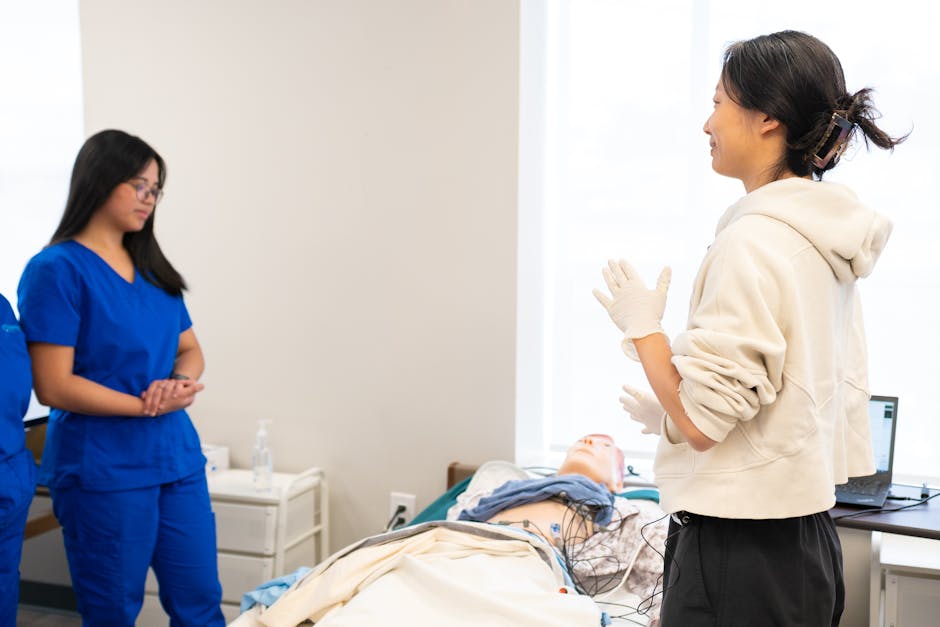
- Becoming a medical doctor requires a minimum of eight years of education and training after high school.
- Medical students learn about the human body, diseases, and treatments, as well as develop essential skills like communication, teamwork, and problem-solving.
- Doctors must complete a residency program after medical school to gain hands-on experience in their chosen specialty.
- The extensive education and training process is designed to ensure medical doctors have the knowledge, skills, and competencies to provide high-quality patient care.
- A medical doctor’s education and training prepares them to make a positive impact on their communities.
As a newly minted medical doctor, the feeling of accomplishment and pride is overwhelming. The journey to this moment has been long and arduous, filled with countless hours of studying, training, and dedication. The question on everyone’s mind is, what does it take to become a medical doctor, and why is this achievement so significant? The answer lies in the rigorous education and training process that medical students undergo, which prepares them to provide high-quality patient care and make a positive impact on their communities.
The Path to Becoming a Medical Doctor

Becoming a medical doctor requires a minimum of eight years of education and training after high school. The first four years are spent completing a bachelor’s degree, followed by four years of medical school. During this time, students learn about the human body, diseases, and treatments, as well as develop essential skills such as communication, teamwork, and problem-solving. After medical school, doctors must complete a residency program, which can last from three to seven years, to gain hands-on experience in their chosen specialty. This extensive education and training process is designed to ensure that medical doctors have the knowledge, skills, and competencies necessary to provide high-quality patient care.
Supporting Evidence from the Medical Community

According to the World Health Organization, the world needs more medical doctors to address the growing demand for healthcare services. The organization estimates that there will be a global shortage of over 18 million health workers by 2030, making it essential to train and retain more medical professionals. Additionally, a study published in the Journal of the American Medical Association found that medical school graduates who pursue primary care specialties are more likely to practice in underserved areas, highlighting the critical role that medical doctors play in addressing healthcare disparities.
Counter-Perspectives and Challenges

Despite the many rewards of being a medical doctor, there are also challenges and counter-perspectives to consider. Some argue that the education and training process is too long and expensive, leading to significant debt and burnout among medical students and residents. Others point out that the healthcare system is often flawed, with inadequate resources and support for medical professionals, which can impact the quality of care provided to patients. Furthermore, the Centers for Disease Control and Prevention notes that medical errors are a leading cause of death and injury in the United States, highlighting the need for ongoing education and training to ensure patient safety.
Real-World Impact of Medical Doctors

Medical doctors have a profound impact on their patients’ lives, from diagnosing and treating illnesses to providing emotional support and guidance. For example, a primary care physician may help a patient manage a chronic condition, such as diabetes or hypertension, by developing a personalized treatment plan and providing regular check-ups. In addition, medical doctors play a critical role in responding to public health emergencies, such as outbreaks and natural disasters, by providing emergency care and coordinating relief efforts. The work of medical doctors is essential to maintaining the health and well-being of individuals and communities around the world.
What This Means For You
As a patient, the achievement of a medical doctor is significant because it means that you have access to high-quality care and expertise. Medical doctors are committed to providing the best possible care, and their education and training have prepared them to address a wide range of health concerns. Whether you are seeking routine care or facing a serious health issue, a medical doctor is an essential partner in your healthcare journey.
As we celebrate the achievement of medical school graduates, we are reminded of the importance of ongoing education and training in the medical field. What does the future hold for medical education and training, and how will it impact the quality of care provided to patients? As the healthcare landscape continues to evolve, it is essential to prioritize the education and training of medical professionals to ensure that they are equipped to address the complex health challenges of the 21st century.
Source: Reddit