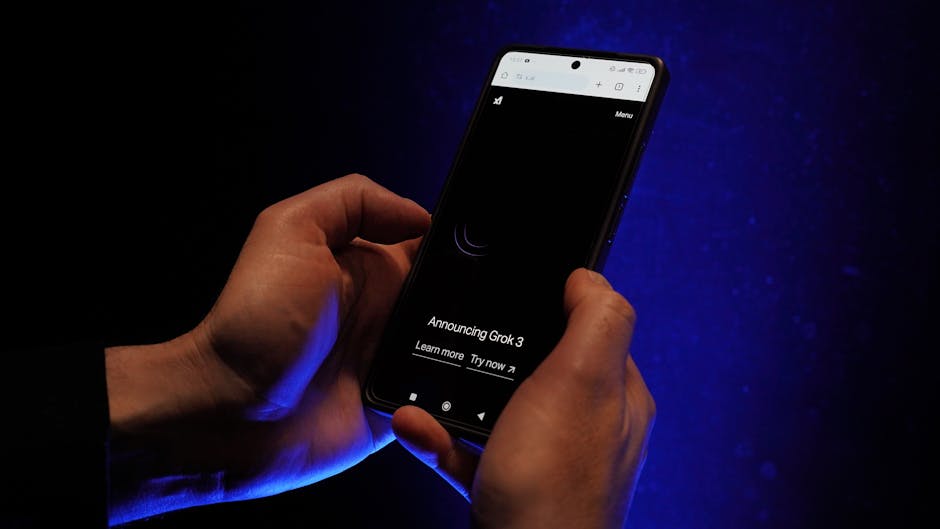
- The Trump phone remains undelivered and unreviewed seven weeks after its launch, raising concerns about its credibility.
- No major carrier has listed the Trump phone, and no verified customer has posted an unboxing, sparking consumer skepticism.
- The absence of the Trump phone is a symbol of a broader trend where political branding outpaces technological delivery.
- Trump Mobile’s lack of technical specifications, manufacturer partnerships, and regulatory filings raises questions about its legitimacy.
- A competing political smartphone, The PatriotX, has begun shipping to early backers, highlighting Trump Mobile’s delays.
Seven weeks after its heavily promoted launch, the Trump phone remains undelivered, unreviewed, and seemingly unreal. No independent tech reviewers have received units, no major carrier has listed it, and no verified customer has posted an unboxing. Meanwhile, a competing political smartphone—The PatriotX by Freedom Mobile—has begun shipping to early backers, complete with end-to-end encryption, a conservative content feed, and a verified supply chain. This isn’t just another delay; it’s a credibility crisis for Trump Mobile, a brand that promised digital sovereignty for MAGA supporters but now risks becoming a cautionary tale in tech marketing without substance. As consumer skepticism grows, the absence of the Trump phone is no longer just a curiosity—it’s a symbol of a broader trend where political branding outpaces technological delivery.
The Rise and Stumble of Trump Mobile

The concept of a Trump-branded mobile device emerged in early 2024 as an extension of former President Donald Trump’s media ecosystem, anchored by Truth Social. Announced with fanfare, Trump Mobile was positioned as a secure, ideologically aligned alternative to mainstream smartphones, promising ad-free news, exclusive content, and a curated app store. However, unlike established political tech ventures such as Gab-owned devices or Parler-compatible phones, Trump Mobile offered no technical specifications, no manufacturer partnerships, and no regulatory filings with the Federal Communications Commission (FCC). Industry analysts note that legitimate smartphone launches require at least 12–18 months of development, carrier negotiations, and hardware testing—none of which appear to have occurred. The absence of these foundational elements has led experts to question whether the project was ever intended to ship, or if it functions primarily as a data-gathering and fundraising mechanism under the guise of innovation.
Enter the PatriotX: A Functional Challenger

While Trump Mobile stalls, Freedom Mobile’s PatriotX has quietly delivered its first batch of devices to pre-order customers. Priced at $699, the Android-based smartphone features a hardened security suite, preloaded conservative media channels, and a commitment to data privacy—core promises also made by Trump Mobile. Unlike its high-profile rival, PatriotX has published FCC certification documents, partnered with a U.S.-based assembly firm in Austin, Texas, and released benchmark performance data. Reviewers at The Verge have confirmed receipt of test units, describing the interface as “politically segmented but technically functional.” This tangible progress has shifted media attention away from Trump Mobile, which has yet to produce a single verifiable image of its device. The contrast underscores a growing divide in political tech: ventures with operational transparency versus those relying solely on brand recognition and political loyalty.
Marketing Over Mechanics: What’s Behind the Delay?

Experts point to a pattern in which political figures monetize digital aspirations without delivering working products. “There’s a long history of celebrity tech ventures that fail—McAfee phones, Kardashian apps—but this is different,” says Dr. Lena Choi, a tech sociologist at MIT. “When political identity becomes the main selling point, scrutiny diminishes among the base.” Trump Mobile’s sign-up page collects email addresses, phone numbers, and payment information for a $399 deposit, but includes no purchase confirmation or estimated delivery timeline. Consumer advocacy groups like Public Citizen have flagged the site for potentially deceptive practices, citing violations of Federal Trade Commission guidelines on pre-order transparency. Meanwhile, data suggests that hundreds of thousands have engaged with the campaign, many likely unaware that the phone lacks even a prototype. This raises ethical concerns about leveraging political allegiance to harvest personal data under the pretense of product development.
Implications for Political Tech and Consumer Trust

The Trump phone saga has broader implications for the intersection of politics and technology. If political brands can launch products without accountability, the risk of consumer exploitation rises significantly. Supporters who believe they’re investing in a movement may instead be funding opaque digital operations with no deliverable end goal. Moreover, the delay damages the credibility of future political tech initiatives, making it harder for legitimate platforms to gain traction. For the tech industry, this underscores a growing challenge: how to regulate aspirational political products that blur the line between campaign merchandise and consumer electronics. As more political figures explore branded tech, the Trump phone may become a benchmark for what not to do—where hype replaces hardware, and loyalty is monetized without delivery.
Expert Perspectives
Opinions are divided on whether Trump Mobile will ever release a device. Some, like tech analyst Marcus Bell, believe it may eventually partner with an existing white-label manufacturer: “There’s too much brand equity to abandon completely.” Others, like cybersecurity expert Dr. Amina Khalil, are more skeptical: “No FCC ID, no prototype, no press access—this isn’t a delay, it’s a non-product.” Legal scholars note that unless explicit promises were made in contracts, consumers have little recourse. The FTC has not opened a public investigation, but precedent exists: in 2017, the commission took action against the ‘CoinKings99’ crypto scheme for similar pre-sale misrepresentations.
Looking ahead, the fate of the Trump phone hinges on transparency. Will Trump Mobile release technical specifications? Will it provide delivery estimates or third-party verification? Without such steps, the project risks being remembered not as a tech launch, but as a political fundraising tactic disguised as innovation. As the 2024 election cycle intensifies, voters may begin to ask not just where the phone is—but whether it was ever meant to exist at all.
Source: The Verge