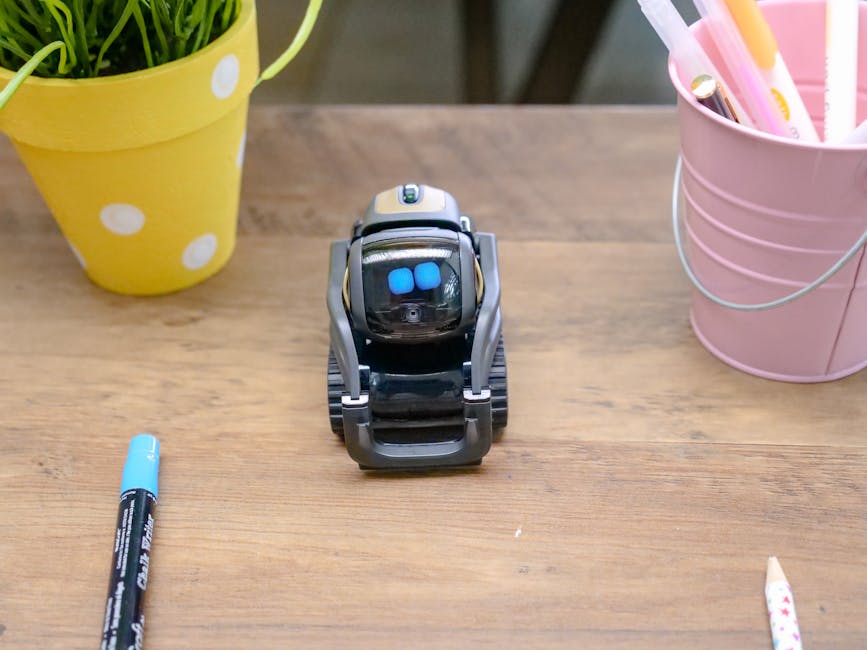
- AI-powered kids’ toys are set to disrupt traditional playtime with complex interactions and adaptive learning capabilities.
- These toys can recognize emotions, respond to needs, and offer comfort, but raise concerns about childhood development and safety.
- Major manufacturers are investing heavily in the AI toy market, with expected growth in the next few years.
- Lawmakers are considering banning AI toys due to data collection and manipulation risks.
- The rise of AI toys is redefining the boundaries between technology and childhood, sparking debates about ethics and responsibility.
In a small, sun-drenched bedroom, a young girl sits cross-legged on the floor, surrounded by a menagerie of stuffed animals and dolls. But amidst the familiar comforts of childhood, something new and unusual has appeared: a small, robot-like toy with glowing blue eyes and a cheerful, if somewhat mechanical, voice. This is the face of the new Wild West of AI kids’ toys, where connected companions are promising to disrupt everything from make-believe to bedtime stories. As the girl begins to play, the toy springs to life, responding to her questions and engaging her in a conversation that is both fascinating and unsettling.
The Rise of AI-Powered Toys

These AI-powered toys are not just limited to simple games and puzzles; they are capable of complex interactions, learning, and adaptation. They can recognize a child’s emotions, respond to their needs, and even offer comfort and reassurance when they are feeling sad or scared. But as these toys become increasingly popular, concerns are growing about their impact on childhood development, safety, and privacy. Some lawmakers are even calling for a ban on these toys, citing the potential risks of data collection and the manipulation of young minds. According to a report by the Reuters news agency, the market for AI-powered toys is expected to grow significantly in the next few years, with many major manufacturers investing heavily in this technology.
A Brief History of Interactive Toys

The concept of interactive toys is not new; in fact, it has been around for decades. From the early days of Tamagotchis and Furby toys, children have been fascinated by the idea of having a companion that can think, learn, and respond. However, the advent of AI technology has taken this concept to a whole new level, enabling toys to become more sophisticated, more engaging, and more responsive. But as we look back at the history of interactive toys, it is clear that the current generation of AI-powered toys is fundamentally different from its predecessors. With the ability to learn, adapt, and interact with children in a more human-like way, these toys are raising important questions about the role of technology in childhood development. For more information on the history of interactive toys, visit the Wikipedia page on the topic.
The Players Behind the Scenes

So, who are the players behind the scenes, driving the development of these AI-powered toys? The answer is a complex mix of tech companies, manufacturers, and entrepreneurs, all of whom see the potential for huge profits in this rapidly growing market. But as the stakes grow higher, so too do the concerns about the motivations and intentions of these players. Are they truly committed to creating toys that benefit children, or are they primarily driven by a desire to collect data and make money? According to a report by the New York Times, some companies are using these toys to collect vast amounts of data on children’s behavior, preferences, and emotions, raising important questions about privacy and safety.
The Consequences of AI-Powered Toys

So, what does the rise of AI-powered toys mean for stakeholders, including parents, educators, and lawmakers? The answer is complex and multifaceted. On the one hand, these toys have the potential to revolutionize childhood development, providing children with new opportunities for learning, creativity, and socialization. On the other hand, they also raise important concerns about safety, privacy, and the potential for manipulation. As the debate over the future of AI-powered toys continues to unfold, it is clear that stakeholders will need to navigate a complex web of competing interests, values, and priorities. For more information on the impact of AI-powered toys on childhood development, visit the Centers for Disease Control and Prevention website.
The Bigger Picture
The rise of AI-powered toys is not just a story about technology or childhood development; it is also a story about the future of human relationships, the role of machines in our lives, and the values we want to uphold as a society. As we consider the implications of these toys, we are forced to confront deeper questions about what it means to be human, to be creative, and to be alive. In a world where machines are increasingly capable of simulating human-like intelligence, we must ask ourselves: what is the value of human connection, and how can we ensure that our children grow up with a deep appreciation for the beauty, complexity, and richness of human experience?
As we look to the future, it is clear that the story of AI-powered toys is far from over. In fact, it is just beginning. As these toys continue to evolve and improve, we can expect to see new innovations, new applications, and new concerns. But one thing is certain: the future of childhood development, and the future of human relationships, will be shaped in profound ways by the rise of AI-powered toys. And as we navigate this uncharted territory, we must proceed with caution, wisdom, and a deep commitment to the values that matter most: compassion, empathy, and the well-being of our children.
Source: Ars Technica