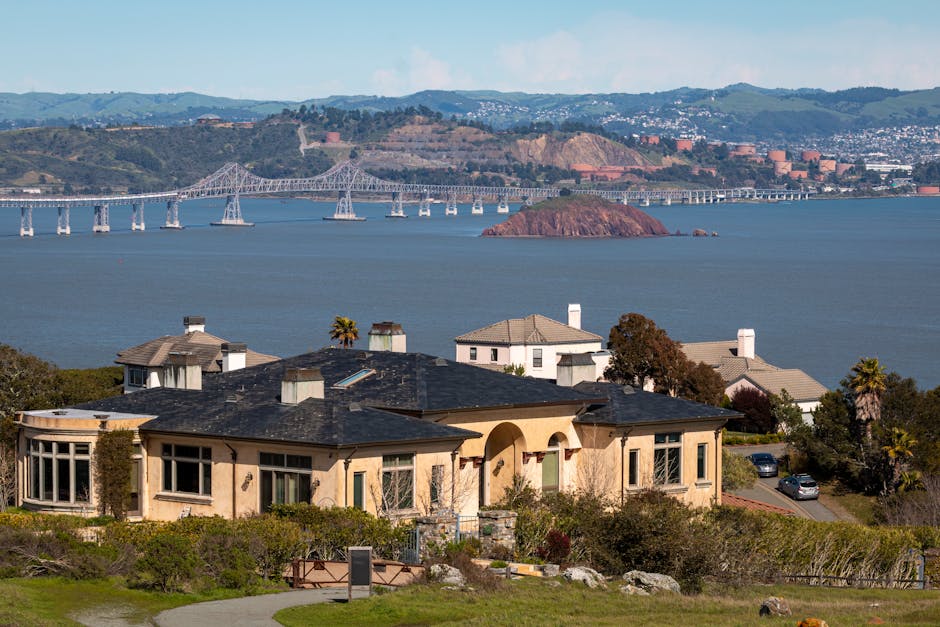
- San Francisco’s housing prices are driven by the city’s tech sector, where employees cash out stock options and pour capital into real estate.
- The city’s concentration of wealth has led to a housing crisis, pricing out local residents, including teachers, nurses, and service workers.
- Venture-backed startups in the Bay Area are creating multibillion-dollar enterprises, generating unprecedented wealth for their employees.
- Tech compensation often includes broad-based equity grants, allowing non-executives to enter the housing market as all-cash buyers.
- The wealth transfer reshaping San Francisco’s urban fabric is a result of the city’s role as the epicenter of private tech wealth creation.
How did San Francisco become a city where the median home sells for over $1.3 million—nearly triple the national average—while nearly a quarter of its residents live in poverty? The answer isn’t hidden in zoning laws or construction delays alone. It lies in the unprecedented concentration of wealth generated by the city’s tech sector. As venture-backed startups mature into multibillion-dollar enterprises, their employees are cashing out stock options and pouring that capital directly into real estate. This isn’t just a housing crisis; it’s a wealth transfer reshaping the urban fabric in real time, pricing out teachers, nurses, and service workers who once called the city home.
What’s Driving the Extreme Housing Prices?

The primary force behind San Francisco’s spiraling housing costs is the city’s role as the epicenter of private tech wealth creation. The Bay Area hosts more unicorns—privately held startups valued at over $1 billion—than any other region in the world. When these companies go public or get acquired, thousands of employees suddenly gain access to vast sums of liquid capital. Unlike traditional industries where wealth accrues slowly at the top, tech compensation often includes broad-based equity grants. This means not just executives but engineers, designers, and product managers are walking away with millions. With salaries already high, these windfalls allow them to enter the housing market as all-cash buyers, outpacing even well-prepared local buyers and bidding homes far above asking price. The result is a market detached from income fundamentals and tethered to asset-driven speculation.
What Does the Data Reveal About Wealth Influx?

According to a 2023 report by the Reuters analysis of Bay Area real estate trends, homes in San Francisco are selling for a median price of $1.32 million, compared to $416,000 nationally. Meanwhile, the number of tech IPOs and major acquisitions has surged: companies like Snowflake, DoorDash, and Databricks have generated tens of thousands of newly minted millionaires. A Federal Reserve study found that between 2015 and 2022, the top 1% of earners in San Francisco saw income grow by 45%, while the bottom 50% grew by just 8%. This disparity is reflected in homeownership: while only 38% of San Francisco households own their homes—down from 55% in the 1970s—those who do are increasingly concentrated in high-tech professions. Real estate agents report bidding wars where offers exceed list prices by 20% or more, often without contingencies, a phenomenon rare outside speculative bubbles.
Are There Alternative Explanations for the Crisis?

While tech wealth is a dominant factor, some economists caution against oversimplification. Urban planning scholars point to decades of restricted housing supply, arguing that San Francisco has underbuilt for population growth since the 1980s. Zoning laws, neighborhood opposition to high-density development, and lengthy approval processes have limited new construction, creating a structural shortage. As The New York Times has reported, the city permitted only about 12,000 new units between 2010 and 2020, far below what’s needed to meet demand. Others note that remote work could be reshaping the crisis: with some tech workers leaving the city, vacancy rates have slightly increased in certain neighborhoods. Yet even with these shifts, prices remain elevated, suggesting that demand from remaining high-earners—and investor interest in luxury properties—continues to prop up the market. The debate isn’t about whether tech plays a role, but whether it’s the root cause or an accelerant of deeper systemic flaws.
How Is This Affecting Real People?

The human cost of this imbalance is visible across San Francisco. Longtime residents are being displaced through evictions, rent hikes, and inheritance buyouts. In neighborhoods like the Mission District, once a cultural hub for Latino communities, the share of Latinx residents has dropped by nearly 25% since 2000. Teachers and city workers increasingly commute from hours away, contributing to traffic congestion and reduced civic engagement. Homelessness has risen to over 7,000 people, according to the 2022 city count. Meanwhile, luxury developments with smart-home tech and private elevators rise beside tent encampments, creating a stark visual dichotomy. Some tech workers acknowledge the tension: a 2021 UC Berkeley survey found that 42% of tech employees felt guilty about their impact on housing costs, though few were willing to relocate or accept lower compensation.
What This Means For You
Whether you live in San Francisco or not, the city’s housing trajectory offers a warning about the consequences of concentrated, asset-based wealth in urban centers. When a single industry dominates an economy and its gains are realized through equity rather than wages, traditional housing markets can’t adjust quickly enough. For residents, this means reevaluating what “affordable” means and advocating for policy interventions like inclusionary zoning, wealth taxes, or community land trusts. For workers in booming tech hubs elsewhere—Austin, Seattle, Miami—the lesson is clear: today’s opportunity could become tomorrow’s displacement if growth isn’t paired with equity.
But a critical question remains unanswered: Can a city thrive when its economy generates immense wealth but excludes the very people needed to sustain daily life? If San Francisco continues down this path, it may become a gleaming enclave for the digital elite—but at what cost to its soul?
Source: TechCrunch