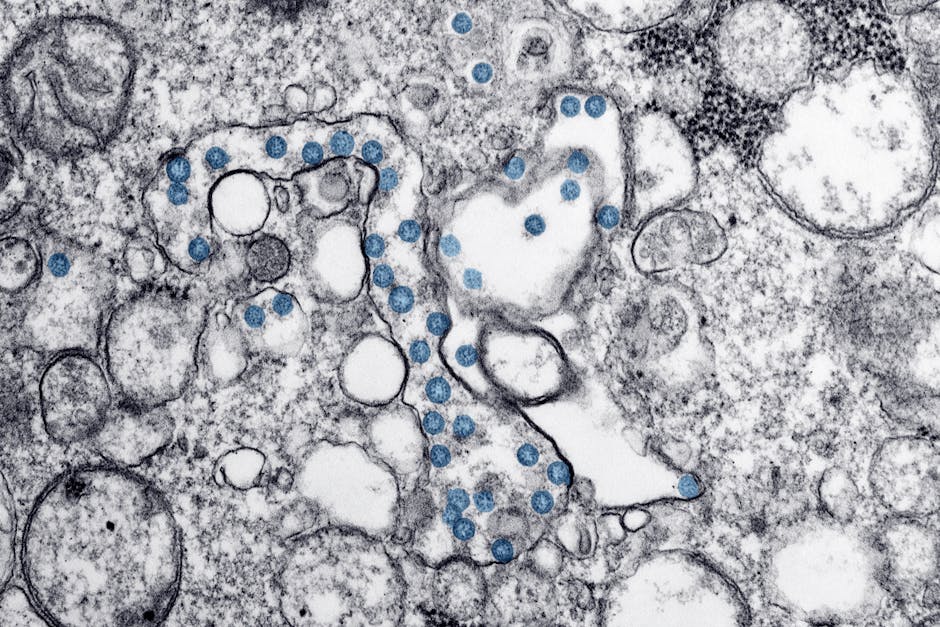
- Hantavirus is a rare but potentially deadly virus that can be contracted through contact with infected rodents or their droppings.
- The virus can cause hantavirus pulmonary syndrome (HPS), a severe and sometimes fatal respiratory disease.
- HPS has a mortality rate of approximately 36%, making it a serious public health concern.
- Six Canadians self-isolated at home for 45 days after possible hantavirus exposure as a precautionary measure.
- Experts emphasize the importance of taking precautions when dealing with potential hantavirus exposure.
As news of a potential hantavirus exposure spreads, many are left wondering what this rare and potentially deadly virus is, and how it can be contracted. The recent case of six Canadians self-isolating at home for 45 days after possible exposure has raised questions about the severity of the virus and the necessary precautions to take. With the rise of social media, news of the incident has quickly gone viral, leaving many to speculate about the risks and consequences of hantavirus infection.
Understanding Hantavirus

Hantavirus is a rare but potentially deadly virus that can be contracted through contact with infected rodents or their droppings. The virus can cause hantavirus pulmonary syndrome (HPS), a severe and sometimes fatal respiratory disease. According to the Centers for Disease Control and Prevention, HPS has a mortality rate of approximately 36%, making it a serious public health concern. In the context of the recent incident, the self-isolation of the six Canadians is a precautionary measure to prevent potential transmission of the virus to others.
Supporting Evidence and Precautions

Experts emphasize the importance of taking precautions when dealing with potential hantavirus exposure. Dr. Theresa Tam, Canada’s Chief Public Health Officer, notes that “hantavirus is a serious disease that can have severe consequences.” She advises individuals to take precautions when cleaning up rodent infestations, such as wearing protective gear and using disinfectants. The World Health Organization also provides guidelines for preventing hantavirus transmission, including avoiding contact with infected rodents and their droppings. In the case of the six Canadians, their decision to self-isolate is a prudent measure to prevent potential transmission of the virus.
Counter-Perspectives and Risks

Some experts argue that the risks associated with hantavirus are often exaggerated, and that the virus is relatively rare. However, others counter that the severity of HPS and the potential for transmission make it a significant public health concern. Additionally, there are concerns about the economic and social impacts of self-isolation, particularly for individuals who may not have access to adequate support systems. As one expert notes, “self-isolation can be a significant burden, particularly for those who are already vulnerable.”
Real-World Impact and Consequences

The self-isolation of the six Canadians has real-world implications, not only for the individuals involved but also for the broader community. The incident highlights the importance of public awareness and education about hantavirus and the necessary precautions to take. It also underscores the need for support systems for individuals who may be required to self-isolate, including access to healthcare and social services. As the New York Times reports, the incident has sparked a wider conversation about public health preparedness and response to rare but potentially deadly diseases.
What This Means For You
The incident serves as a reminder of the importance of taking precautions when dealing with potential hantavirus exposure. Individuals can take steps to protect themselves, such as avoiding contact with infected rodents and their droppings, and taking precautions when cleaning up rodent infestations. By being informed and taking necessary precautions, individuals can reduce their risk of contracting hantavirus and prevent potential transmission to others.
As the situation unfolds, many are left wondering what the future holds for hantavirus research and prevention. Will this incident lead to increased funding and support for public health initiatives, or will it be a one-time response to a rare event? As researchers and public health officials continue to monitor the situation, one thing is clear: education, awareness, and precaution are key to preventing the spread of hantavirus and protecting public health.
Source: Cbc