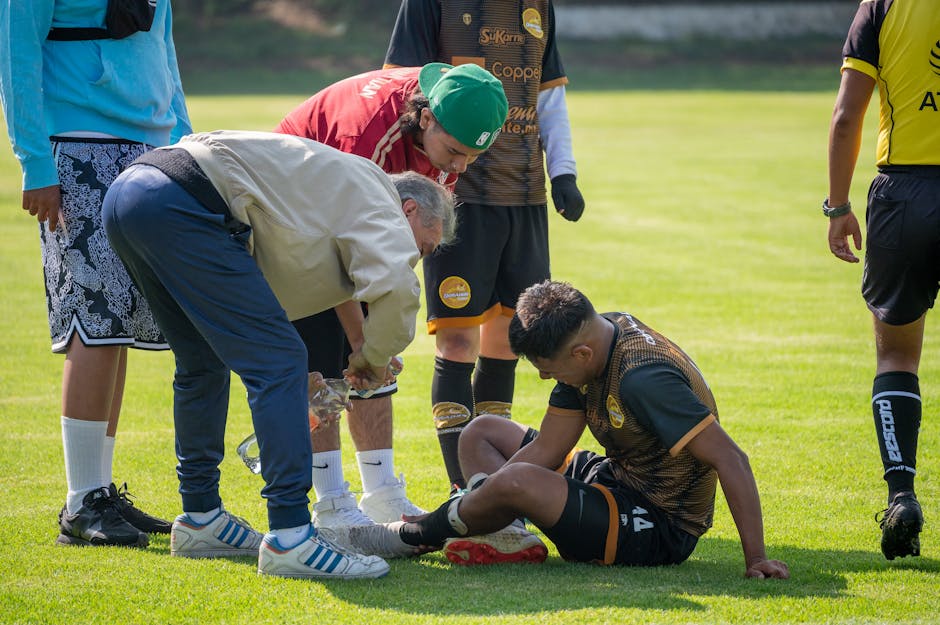
- Fede Valverde’s traumatic brain injury highlights the risks of contact sports and the need for better player safety measures.
- Valverde’s 10-14 day absence will significantly impact his team’s performance in the league.
- The soccer community is coming together to support Valverde’s recovery and raise awareness about player safety.
- Traumatic brain injuries are a serious concern in soccer, with long-term effects on player health and well-being.
- Soccer authorities must take action to prevent such injuries and ensure player safety on the pitch.
The soccer world is abuzz with the news of Fede Valverde’s traumatic brain injury, diagnosed after a series of tests were conducted on the player today. The Uruguayan midfielder, who has been in stellar form for his club, will now be forced to sit out for 10 to 14 days, leaving his team without one of its key players. This development has sent shockwaves through the soccer community, with fans and pundits alike wishing Valverde a speedy recovery. As reported by BBC Sport, traumatic brain injuries are a serious concern in contact sports, and Valverde’s diagnosis serves as a stark reminder of the risks players take every time they step onto the pitch.
Background on Valverde’s Injury

Valverde’s injury is a significant blow to his team, which has been relying heavily on the midfielder’s skills and work rate. The 24-year-old has been one of the standout performers for his club, scoring crucial goals and providing assists that have helped his team climb the league table. His absence will undoubtedly be felt, and the team’s management will have to scramble to find a suitable replacement. The news of Valverde’s injury has also sparked a debate about player safety and the measures that can be taken to prevent such injuries. As The Guardian notes, soccer authorities have been working to reduce the risk of head injuries, but more needs to be done to protect players.
Details of the Injury

According to the medical report, Valverde suffered a traumatic brain injury, which is a type of injury that occurs when the brain is damaged due to a blow or jolt to the head. The injury can cause a range of symptoms, including headaches, dizziness, and confusion, and can have long-term effects if not properly treated. Valverde is currently at home, where he will have to remain at rest for the next 10 to 14 days. His team’s medical staff will be monitoring his condition closely, and he will undergo regular check-ups to ensure that he is making a full recovery. The news of Valverde’s injury has sent a shockwave through the soccer community, with fans and players taking to social media to wish him a speedy recovery.
Analysis of the Injury

The injury to Valverde has significant implications for his team, which will have to navigate the next few matches without one of its key players. The team’s management will have to work quickly to find a suitable replacement, and the players will have to adapt to a new system. The injury also raises questions about the safety of soccer players and the measures that can be taken to prevent such injuries. As noted by CDC, traumatic brain injuries are a serious concern in contact sports, and soccer authorities must take steps to reduce the risk of such injuries. The use of protective gear, such as helmets, and the implementation of rules to prevent reckless play can help reduce the risk of head injuries.
Implications of the Injury

The injury to Valverde will have significant implications for his team, which will have to navigate the next few matches without one of its key players. The team’s chances of winning will undoubtedly be affected, and the players will have to work harder to compensate for Valverde’s absence. The injury will also have an impact on Valverde’s career, as he will have to work hard to regain his fitness and form. As reported by The New York Times, the road to recovery from a traumatic brain injury can be long and challenging, and Valverde will have to be patient and diligent in his rehabilitation.
Expert Perspectives
Experts in the field of sports medicine have weighed in on Valverde’s injury, with many expressing concern about the long-term effects of traumatic brain injuries. Dr. Robert Cantu, a leading expert on sports concussions, notes that traumatic brain injuries can have serious long-term effects, including memory loss and depression. He emphasizes the importance of proper diagnosis and treatment, as well as the need for soccer authorities to take steps to reduce the risk of such injuries. On the other hand, some experts argue that the risk of head injuries is inherent in contact sports and that players must be aware of the risks they take when they step onto the pitch.
As the soccer world waits for Valverde’s recovery, fans and pundits alike are left wondering what the future holds for the talented midfielder. Will he be able to regain his form and fitness, or will the injury have a lasting impact on his career? Only time will tell, but one thing is certain – the road to recovery will be long and challenging, and Valverde will have to be patient and diligent in his rehabilitation. As AP News notes, the support of his team, family, and fans will be crucial in his recovery, and the soccer community will be watching with bated breath as he navigates this difficult period.
Source: Realmadrid