- The Strait of Hormuz is a critical waterway for global oil trade, with 20% of the world’s oil supply passing through it every day.
- The US and Iran have a long history of tensions in the region, with the US maintaining a significant military presence.
- The current cease-fire between the US and Iran is fragile and has been tested repeatedly by both sides.
- The Strait of Hormuz’s narrow width makes it a chokepoint vulnerable to disruption and escalation of tensions.
- A disruption to the flow of oil from the Middle East could have significant global economic implications.
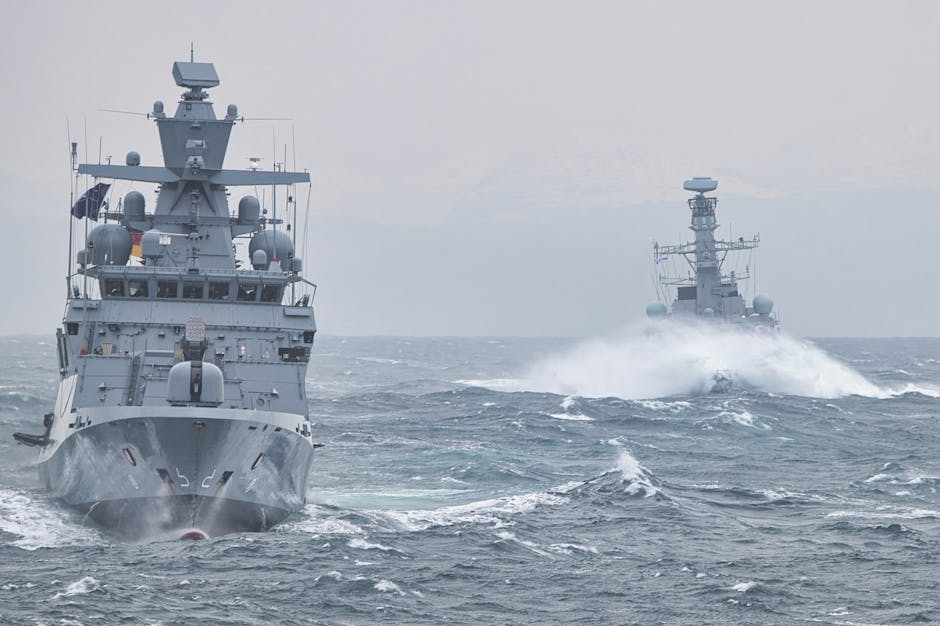
The Strait of Hormuz, a critical waterway for global oil trade, has once again become a flashpoint in the escalating tensions between the United States and Iran. In a striking turn of events, President Trump has dismissed Iran’s firing on US vessels in the strait as a mere “trifle,” despite the incident sparking fears of a wider conflict. The attack, which was swiftly retaliated by the US, has raised questions about the stability of the region and the ability of the two nations to maintain a fragile cease-fire. With the global economy already facing numerous challenges, the last thing it needs is a disruption to the flow of oil from the Middle East.
The Delicate Balance of Power in the Strait

The Strait of Hormuz, which connects the Persian Gulf to the Gulf of Oman, is a vital shipping lane for oil tankers, with approximately 20% of the world’s oil supply passing through it every day. The strait’s narrow width, just 21 miles at its narrowest point, makes it a chokepoint that is vulnerable to disruption. The US and Iran have a long history of tensions in the region, with the US maintaining a significant military presence in the area to protect its interests and those of its allies. The current cease-fire, which was brokered after a series of attacks on oil tankers and US drones, is fragile and has been tested repeatedly by both sides. The latest incident has raised concerns that the situation could escalate out of control, with potentially catastrophic consequences for the global economy.
A Trade of Attacks and Retaliation

The latest incident began when Iranian forces fired on US vessels in the Strait of Hormuz, in what was seen as a deliberate provocation. The US responded quickly, launching a retaliatory strike against Iranian military targets. The incident has been condemned by the international community, with many calling for calm and restraint. The US has maintained that it will not be intimidated by Iranian aggression, while Iran has vowed to defend its sovereignty and interests in the region. The trade of attacks has raised tensions to a boiling point, with many fearing that a wider conflict could be just around the corner. The involvement of other regional players, such as Saudi Arabia and the UAE, has further complicated the situation, making it difficult to predict how events will unfold.
Analysis of the Conflict
Experts have warned that the conflict in the Strait of Hormuz has the potential to spiral out of control, with devastating consequences for the global economy. The US and Iran have been engaged in a proxy war for years, with the US seeking to contain Iranian influence in the region and Iran seeking to expand its reach. The current tensions have been fueled by a combination of factors, including the US withdrawal from the Iran nuclear deal and the reimposition of sanctions on Iran. The sanctions have had a crippling effect on the Iranian economy, leading to widespread poverty and discontent. The Iranian government has responded by lashing out at the US and its allies, using proxy forces and other means to attack their interests. The situation is further complicated by the involvement of other regional players, such as Russia and China, which have their own interests and agendas in the region.
Implications of the Conflict
The implications of the conflict in the Strait of Hormuz are far-reaching and potentially devastating. A disruption to the flow of oil from the Middle East could have a significant impact on the global economy, leading to higher prices and reduced economic growth. The conflict could also have a humanitarian impact, with the potential for civilian casualties and displacement. The US and Iran have a responsibility to avoid a wider conflict and to work towards a peaceful resolution of their differences. The international community has a role to play in promoting calm and restraint, and in encouraging the two sides to engage in diplomatic efforts to resolve their differences. The situation is delicate and requires careful handling to avoid a catastrophic outcome.
Expert Perspectives
Experts have differing views on the conflict in the Strait of Hormuz, with some warning of the dangers of escalation and others calling for a more robust response to Iranian aggression. Some have argued that the US should take a tougher line with Iran, using military force to deter further attacks. Others have warned that this approach could lead to a wider conflict, with devastating consequences for the region and the global economy. The situation is complex and multifaceted, requiring a nuanced and thoughtful approach. The US and Iran must engage in diplomatic efforts to resolve their differences and avoid a catastrophic outcome.
Looking ahead, the situation in the Strait of Hormuz remains uncertain and potentially volatile. The US and Iran must work towards a peaceful resolution of their differences, avoiding a wider conflict that could have devastating consequences for the region and the global economy. The international community has a role to play in promoting calm and restraint, and in encouraging the two sides to engage in diplomatic efforts to resolve their differences. The question on everyone’s mind is what will happen next, and whether the US and Iran can avoid a catastrophic outcome. One thing is certain, however: the situation in the Strait of Hormuz will continue to be a major flashpoint in the coming weeks and months, with significant implications for the global economy and regional stability.