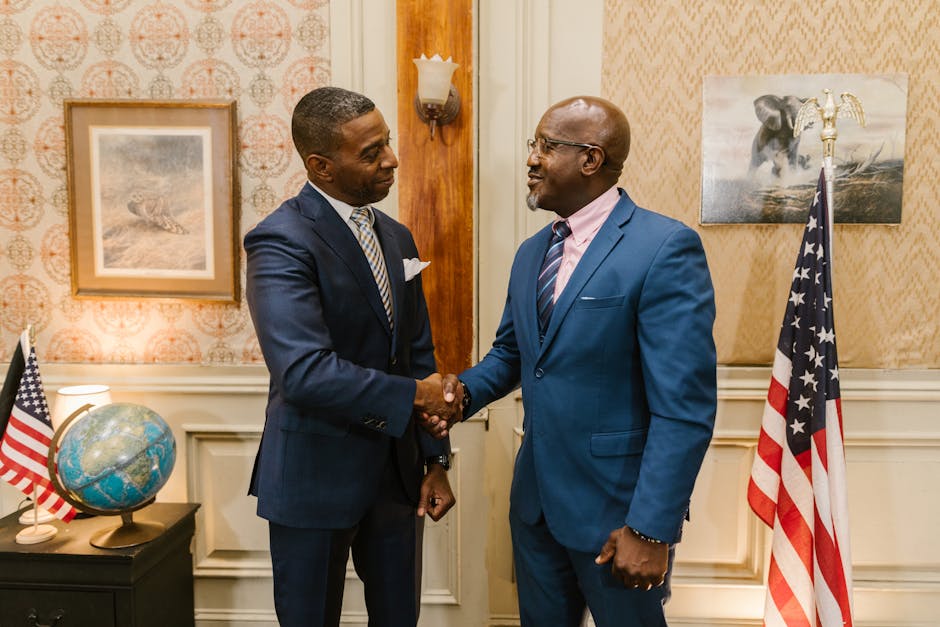
- Iran has yet to formally respond to the US ceasefire proposal, leaving the diplomatic landscape uncertain.
- The Iranian government has expressed significant concerns over the scope of the ceasefire, international observers, and economic sanctions.
- Decades of strained relations between the US and Iran have led to the current impasse.
- The international community remains hopeful for a breakthrough, but challenges ahead are undeniable.
- The Iranian government’s response will be crucial in determining the course of events in the region.
The streets of Tehran were abuzz with a mix of anxiety and anticipation as news of the latest US ceasefire proposal spread like wildfire. The smell of freshly brewed coffee wafted through the air, mingling with the sound of hushed conversations in cafes, where Iranians gathered to discuss the implications of this new development. With the fate of the region hanging in the balance, the Iranian government’s response would be crucial in determining the course of events to come. As the world watched with bated breath, one thing was clear: the road to peace would be long and arduous.
Current State of Diplomacy

Despite the US proposal, Iran has not formally responded, leaving a cloud of uncertainty over the diplomatic landscape. Officials in Tehran, however, have been forthcoming about the significant divide that remains between the two nations. The Iranian foreign ministry has indicated that while the proposal is being considered, there are several key issues that need to be addressed before any agreement can be reached. These concerns revolve around the scope of the ceasefire, the role of international observers, and the lifting of economic sanctions. As the clock ticks on, the international community remains hopeful that a breakthrough can be achieved, but the challenges ahead are undeniable.
A History of Tensions

The current impasse between the US and Iran is not an isolated incident, but rather the culmination of decades of strained relations. The 1979 Iranian Revolution, which saw the overthrow of the US-backed Shah, marked the beginning of a deep-seated distrust between the two nations. Since then, a series of flashpoints, including the Iran-Iraq War, the US invasion of Iraq, and the more recent nuclear deal, have contributed to the complexities of the present situation. Understanding this historical context is essential in grasping the intricacies of the conflict and the motivations of the parties involved. As Iran-US relations continue to evolve, it is clear that the past will play a significant role in shaping the future.
Key Players and Motivations

The individuals shaping the course of the US-Iran conflict are a diverse group, each with their own motivations and agendas. In Tehran, Supreme Leader Ayatollah Ali Khamenei and President Ebrahim Raisi are the key decision-makers, with the former exerting significant influence over the country’s foreign policy. In Washington, the Biden administration is spearheading the diplomatic effort, with Secretary of State Antony Blinken playing a pivotal role in negotiations. As these leaders navigate the complex web of international politics, their actions are driven by a mix of national interests, ideological convictions, and a desire to leave a lasting legacy. The interplay between these personalities will be crucial in determining the outcome of the current standoff.
Consequences of Inaction

The failure to reach a ceasefire agreement would have far-reaching consequences for all stakeholders involved. For Iran, the continuation of economic sanctions would exacerbate an already precarious economic situation, potentially leading to widespread unrest and instability. For the US, the collapse of diplomatic efforts would undermine its credibility as a global mediator and embolden its adversaries in the region. The international community, too, would suffer, as the conflict would likely lead to a surge in refugee flows, humanitarian crises, and a destabilization of the global economy. As the international community watches with growing concern, the need for a peaceful resolution has never been more pressing.
The Bigger Picture
The US-Iran conflict is not an isolated event, but rather part of a broader geopolitical landscape. The Middle East, with its complex web of alliances and rivalries, is a region of immense strategic importance, with the potential to shape the course of global events. As the world’s major powers jockey for position, the US-Iran standoff serves as a reminder of the enduring power of nationalism, ideology, and economic interests in shaping international relations. In this context, the pursuit of peace and stability in the region is not just a moral imperative, but a pragmatic necessity, requiring the collective efforts of the international community.
As the world waits with bated breath for Iran’s response to the US ceasefire proposal, one thing is certain: the path ahead will be fraught with challenges. Yet, even in the face of adversity, there is a glimmer of hope. Diplomacy, though imperfect, remains the most effective tool in the pursuit of peace. As leaders on both sides navigate the treacherous waters of international politics, their choices will have far-reaching consequences, shaping not just the future of the region, but the course of history itself. The question on everyone’s mind is: what comes next?
Source: Al Jazeera