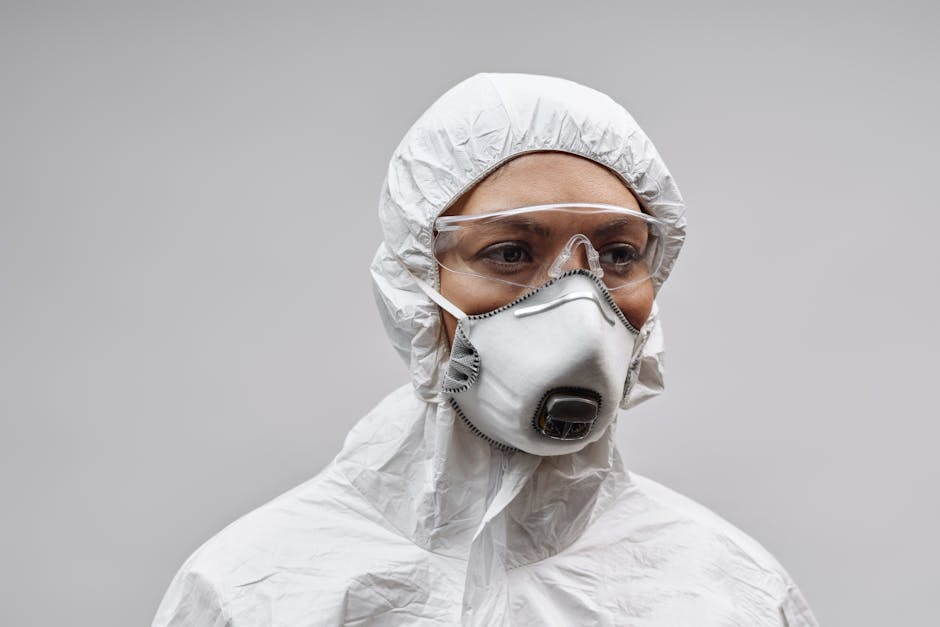
- A hantavirus outbreak is spreading rapidly across the globe, defying conventional epidemiological wisdom.
- The World Health Organization (WHO) has confirmed a significant increase in hantavirus cases in multiple countries.
- Health experts believe the outbreak may be linked to environmental factors such as climate change and human activity.
- The unique transmission pattern of the hantavirus outbreak differs from other diseases like Covid-19 and influenza.
- Citizens are urged to take precautions and report any suspected cases to the authorities due to the growing concern.
The sun had just set over the bustling streets of Seoul, casting a golden glow over the crowded sidewalks. But amidst the vibrant atmosphere, a sense of unease settled over the city’s residents. Reports had begun to emerge of a mysterious disease, one that seemed to defy the conventional wisdom of epidemiologists. The hantavirus outbreak, which had initially been confined to a small region, was now spreading rapidly across the globe, leaving health experts scrambling to understand its unusual transmission pattern.
Hantavirus Outbreak: A Growing Concern

The World Health Organization (WHO) has confirmed a significant increase in hantavirus cases, with reports of the disease surfacing in multiple countries. According to the WHO, the hantavirus outbreak is characterized by a unique transmission pattern, one that differs from other diseases such as Covid-19 and influenza. While the exact cause of the outbreak is still unknown, health experts believe that it may be linked to environmental factors, such as climate change and human activity. The WHO has issued a statement urging citizens to take precautions and to report any suspected cases to the authorities.
A Look Back: The History of Hantavirus

The hantavirus is not a new disease, but rather one that has been present in the environment for decades. First identified in the 1950s, the virus was initially thought to be a rare and isolated phenomenon. However, as global travel and trade increased, so too did the risk of transmission. The virus is typically spread through contact with infected rodents, such as mice and rats, and can cause a range of symptoms, from mild to severe. In the 1990s, a major outbreak of hantavirus occurred in the United States, resulting in numerous deaths and highlighting the need for increased awareness and precautions.
The Key Players: Health Experts and Researchers

As the hantavirus outbreak continues to spread, health experts and researchers are working tirelessly to understand the disease and to develop effective treatments. Dr. Maria Van Kerkhove, a leading epidemiologist at the WHO, has been at the forefront of the effort, working closely with international partners to coordinate a response. According to Dr. Van Kerkhove, the unique transmission pattern of the hantavirus outbreak is a major concern, as it suggests that the disease may be more contagious than initially thought. The Centers for Disease Control and Prevention (CDC) has also issued a statement, urging citizens to take precautions and to report any suspected cases to the authorities.
Consequences: The Impact on Global Health

The hantavirus outbreak has significant implications for global health, particularly in regions with limited healthcare resources. As the disease continues to spread, there is a growing risk of widespread illness and death. The economic impact of the outbreak is also a concern, as trade and travel restrictions are implemented to slow the spread of the disease. According to the New York Times, the outbreak has already resulted in significant economic losses, with many businesses and industries affected.
The Bigger Picture
The hantavirus outbreak is a stark reminder of the interconnectedness of our global community. As the world becomes increasingly interconnected, the risk of disease transmission also increases. The outbreak highlights the need for increased awareness and precautions, as well as the importance of global cooperation in responding to public health crises. By working together, health experts and researchers can develop effective treatments and strategies to mitigate the impact of the outbreak.
As the situation continues to unfold, one thing is clear: the hantavirus outbreak is a wake-up call for global health experts and citizens alike. As we move forward, it is essential that we prioritize awareness, precautions, and cooperation to mitigate the impact of this mysterious disease. The coming weeks and months will be crucial in determining the outcome of the outbreak, and it is up to us to take action and to work together to protect global health.
Source: Ndtv