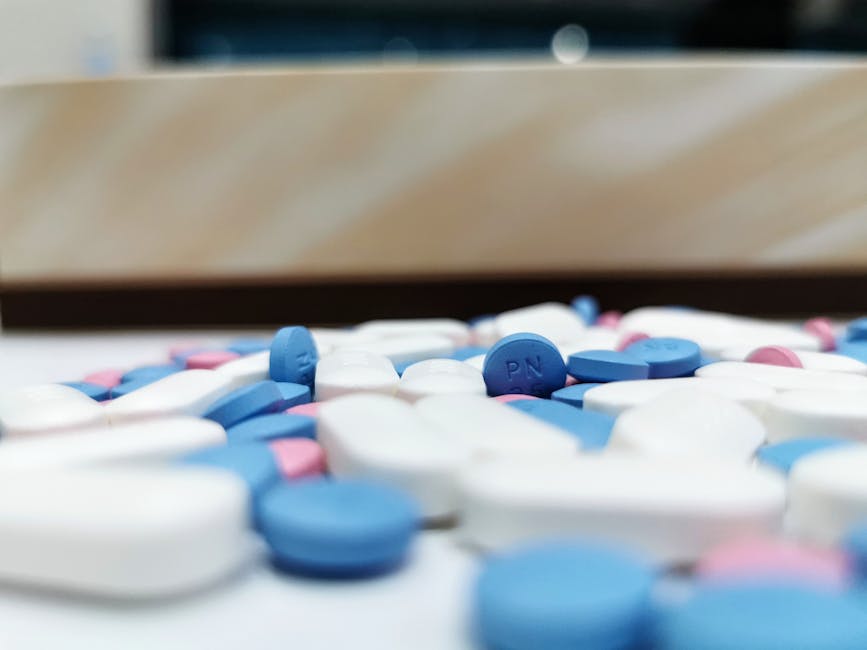
- Fake fentanyl pills are being sold as legitimate prescription medications, leading to a surge in counterfeit-related deaths.
- The US is witnessing a disturbing trend in fake fentanyl deaths, with a significant portion attributed to counterfeit pills.
- A study found that the majority of counterfeit pills contain lethal doses of fentanyl, making them extremely dangerous to consumers.
- The key players involved in the fake fentanyl crisis include drug cartels, online sellers, and others who exploit the opioid epidemic for profit.
- Raising awareness about the dangers of fake fentanyl is crucial to saving lives and preventing further spread of this crisis.
Executive summary: The US is witnessing a disturbing trend in fake fentanyl deaths, with counterfeit pills laced with the potent opioid being sold as legitimate prescription medications. An Oklahoma mom, who recently lost her son to one such pill, is now sounding the alarm to raise awareness about the dangers of these fake drugs. As the death toll continues to rise, it is essential to examine the evidence, key players, and trade-offs involved in this crisis to understand the best course of action.
Evidence of the Crisis

According to data from the Centers for Disease Control and Prevention (CDC), fentanyl-related deaths have increased significantly over the past few years, with a substantial portion of these deaths attributed to counterfeit pills. The US Drug Enforcement Administration (DEA) has also reported a surge in the seizure of fake fentanyl pills, highlighting the widespread nature of this problem. Furthermore, a study published in the Journal of the American Medical Association (JAMA) found that the majority of counterfeit pills contain lethal doses of fentanyl, making them extremely dangerous to consumers.
Key Players and Their Roles

The key players involved in the fake fentanyl crisis include drug cartels, online sellers, and social media platforms. Drug cartels are responsible for manufacturing and distributing the counterfeit pills, often using sophisticated networks to evade law enforcement. Online sellers, including those on the dark web and social media platforms, play a crucial role in marketing and selling these pills to unsuspecting buyers. Recent moves by law enforcement agencies, such as the DEA’s Operation Fatal Remedy, have aimed to disrupt these networks and hold perpetrators accountable.
Trade-Offs and Consequences

The trade-offs involved in addressing the fake fentanyl crisis are complex and multifaceted. On one hand, increasing enforcement efforts and imposing harsher penalties on those involved in the manufacture and distribution of counterfeit pills may help reduce their availability. On the other hand, such measures may also drive the trade underground, making it more challenging to track and regulate. Additionally, the risks associated with counterfeit pills, including the potential for lethal overdose, must be weighed against the benefits of providing access to legitimate prescription medications for those who need them. The World Health Organization (WHO) has emphasized the need for a balanced approach that prioritizes both public health and safety.
Timing and Context

The current surge in fake fentanyl deaths can be attributed to a combination of factors, including the COVID-19 pandemic and the increasing availability of cheap and accessible manufacturing technologies. The pandemic has created an environment in which individuals are more likely to seek out illicit substances, while advancements in technology have made it easier for drug cartels to produce and distribute counterfeit pills. As the US continues to grapple with the opioid epidemic, it is essential to recognize the role of fake fentanyl in exacerbating this crisis and to develop strategies that address the root causes of this problem.
Where We Go From Here
Looking ahead to the next 6-12 months, there are several possible scenarios that may unfold. One scenario is that law enforcement efforts will successfully disrupt the networks responsible for manufacturing and distributing counterfeit pills, leading to a decrease in fake fentanyl deaths. Another scenario is that the trade will continue to evolve, with drug cartels adapting to enforcement efforts and finding new ways to market and sell their products. A third scenario is that the US will experience a significant increase in fake fentanyl deaths, as the crisis continues to spiral out of control. Regardless of which scenario plays out, it is clear that a comprehensive and multifaceted approach will be necessary to address the fake fentanyl crisis and prevent further loss of life.
Bottom line: The rise in fake fentanyl deaths is a pressing public health concern that requires immediate attention and action, and it is essential that policymakers, law enforcement agencies, and individuals work together to develop effective strategies for addressing this crisis and preventing further tragedy.
Source: Independent