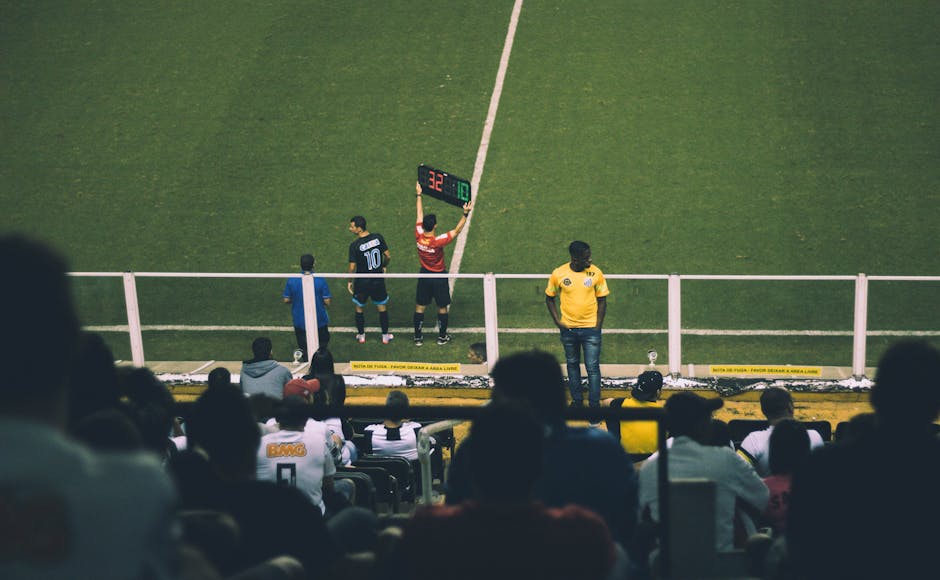
- Ousmane Dembélé’s composed reaction to being subbed off has set a new standard for professionalism in football.
- Dembélé’s calm demeanor stood in stark contrast to the frustration often shown by star players in similar situations.
- The football world is reevaluating what it means to lead by example, even in defeat or personal disappointment.
- Dembélé’s actions demonstrated a team-first mentality and emotional intelligence, traits that are highly valued in football leaders.
- His behavior has sparked a debate about what constitutes true leadership in the sport.
Why would a player being taken off after just 65 minutes shake hands with his manager and then rally his teammates from the bench? That’s the question sweeping through football forums and social media after Toni Kroos pointed to Ousmane Dembélé’s composed reaction to substitution as a model of professionalism. In an era where star players often show visible frustration when subbed out, Dembélé’s calm demeanor—followed by animated encouragement from the sidelines—stands in stark contrast. Is this a sign of true leadership, or simply a moment overblown by narrative? As debates rage across r/soccer and sports media, the football world is reconsidering what it means to lead by example, even in defeat or personal disappointment.
What Happened When Dembélé Was Substituted?

Dembélé was replaced in the 65th minute during a crucial Ligue 1 match for Paris Saint-Germain, a decision that could have easily sparked frustration given his recent form and the tight scoreline. Instead of sulking or showing dissent, he approached head coach Luis Enrique, shook his hand, and immediately began supporting his teammates from the bench. Toni Kroos, commenting on the scene in a post-match interview aired on Reuters, described it as a rare display of emotional intelligence and team-first mentality. “You see how he shouts, motivates, stays engaged,” Kroos said. “Other players think they’re the stars and switch off the moment they’re subbed. Not him.” This moment, seemingly small, has become a symbol of the evolving expectations for leadership in elite football.
What Evidence Supports This as a Leadership Moment?

Professionalism after substitution is increasingly seen as a barometer of squad cohesion and emotional maturity. According to a 2023 study published in ScienceDaily, player behavior during substitutions correlates strongly with team performance over a season, particularly in high-pressure environments. Dembélé’s conduct aligns with behaviors seen in teams with strong locker-room cultures, such as Manchester City and the 2014 Germany World Cup squad. Former France international and ESPN analyst Bixente Lizarazu remarked, “It’s easy to lead when you’re on the pitch. The real test is when you’re not.” Footage from the match shows Dembélé gesturing to defenders, applauding saves, and communicating with substitutes—actions that coaches often cite as intangible but invaluable contributions.
Are There Counterarguments to This Narrative?

While Dembélé’s response was widely praised, some analysts caution against idealizing compliance. Critics argue that visible frustration after substitution isn’t always selfish—it can reflect competitive fire. Players like Cristiano Ronaldo and Paul Pogba have shown anger when benched, yet still delivered leadership in other forms. As The Guardian’s football columnist Jonathan Wilson noted, “Leadership isn’t monolithic. Some inspire through intensity, others through calm.” Additionally, cultural context matters: in some footballing traditions, public displays of disagreement with coaching decisions are normalized as part of a player’s passion. There’s also the risk of overvaluing performative humility—expecting players to smile when disappointed could suppress authentic emotional expression. Not every silent acceptance signals maturity; sometimes, it signals disengagement masked as compliance.
What Is the Real-World Impact on Teams and Coaches?

Dembélé’s actions have tangible implications for team dynamics and coaching strategies. Managers like Pep Guardiola and Jürgen Klopp have emphasized “impact from the bench” as a key metric in squad evaluation. When substitutes remain engaged, it boosts collective morale and tactical flexibility. In contrast, visible discontent can fracture unity—a lesson learned painfully by clubs like Manchester United during periods of squad unrest. Paris Saint-Germain, often criticized for a lack of internal leadership post-Mbappé, may find in Dembélé an unexpected cultural anchor. Youth players and substitutes are now more likely to emulate this behavior, knowing it’s recognized at the highest levels. Moreover, broadcasters and analysts are beginning to highlight bench conduct in post-match reviews, signaling a shift in how contributions are assessed beyond stats and minutes played.
What This Means For You
For fans, this moment offers a lens into the less visible aspects of team success—the quiet gestures that build culture. For aspiring athletes, it underscores that leadership isn’t just about goals or headlines, but about consistency in attitude, especially when no one’s watching. Recognizing these subtle acts changes how we evaluate players and appreciate the sport. It challenges the myth that emotion equals commitment, and invites a more nuanced understanding of professionalism.
But how should teams balance emotional authenticity with the expectation of composed behavior? If every player is expected to smile when subbed off, are we stifling necessary friction that drives performance? And can leadership truly be measured by a handshake, or are we projecting narratives onto fleeting moments? As football continues to evolve, the conversation around what it means to be a leader—on and off the pitch—is far from settled.
Source: Marca