- The Trump administration reversed plans to launch a U.S.-led naval operation to reopen the Strait of Hormuz amid regional tensions.
- The Strait of Hormuz closure threat was sparked by escalating tensions with Iran, with Iranian naval forces conducting large-scale drills near the strait.
- Key NATO allies, including the UK, France, and Germany, privately objected to the plan, warning of a broader regional conflict.
- The episode highlighted the fragility of coalition diplomacy and raised questions about U.S. foreign policy under President Trump’s ‘maximum pressure’ campaign.
- Closing the Strait of Hormuz would disrupt 17 million barrels of oil per day, triggering immediate shocks in global energy markets.
In a dramatic shift that reverberated across global markets and diplomatic channels, the Trump administration abruptly reversed plans to launch a U.S.-led naval operation aimed at forcibly reopening the Strait of Hormuz. The strategic waterway, through which nearly 20% of the world’s oil passes daily, had been under threat of closure amid escalating tensions with Iran. The reversal came within 48 hours of the initial announcement and followed intense private objections from key NATO allies, including the United Kingdom, France, and Germany, who warned that unilateral military action could trigger a broader regional conflict. The episode underscored the fragility of coalition diplomacy and raised fresh questions about the coherence of U.S. foreign policy under President Trump’s ‘maximum pressure’ campaign against Tehran.
Strategic Crossroads in the Persian Gulf

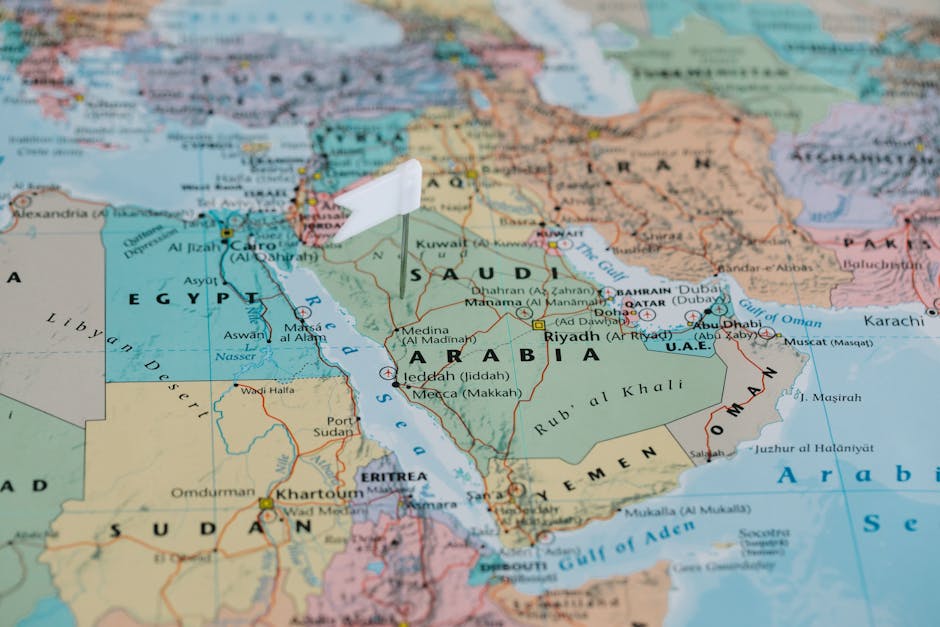
The Strait of Hormuz, a 21-mile-wide channel separating Iran from Oman, has long been a flashpoint in Middle Eastern geopolitics. Its closure, even temporarily, would disrupt the flow of over 17 million barrels of oil per day, triggering immediate shocks in global energy markets. In early 2024, Iranian naval forces began conducting large-scale drills near the strait, issuing veiled threats about restricting access in retaliation for tightened U.S. sanctions on Iranian oil exports. The Trump administration, citing freedom of navigation, initially proposed a coalition naval task force to preemptively secure the passage. However, the plan lacked formal consultation with traditional allies, many of whom maintain delicate diplomatic and economic ties with Iran. The lack of coordination sparked alarm in European capitals, where officials stressed that any military action must be multilateral and proportionate to avoid accidental escalation.
Backlash and Diplomatic Fallout

The U.S. proposal to forcibly reopen the strait—if it were ever closed—was met with swift resistance from European partners. British Foreign Secretary David Lammy stated publicly that ‘unilateral military posturing does not enhance security,’ while French President Emmanuel Macron urged restraint during a phone call with Trump. Germany’s Foreign Ministry went further, calling the plan ‘reckless’ and counterproductive to ongoing European-led efforts to revive the 2015 nuclear deal. Behind closed doors, intelligence briefings revealed that allied agencies doubted the credibility of immediate Iranian closure threats, suggesting instead that Tehran was engaged in strategic signaling rather than preparation for conflict. The backlash forced the White House to walk back the plan, with National Security Advisor Robert C. O’Brien clarifying that no military action would proceed without allied consensus. The episode exposed fractures in transatlantic coordination and raised concerns about Washington’s tendency to announce high-stakes policies without prior consultation.
Roots of Escalation and Strategic Miscalculation

The abrupt policy reversal highlights a pattern of strategic miscalculation in the Trump administration’s approach to Iran. Since withdrawing from the Joint Comprehensive Plan of Action (JCPOA) in 2018, the U.S. has imposed crippling sanctions aimed at curbing Iran’s nuclear program and regional influence. However, analysts argue that these measures have often provoked retaliatory actions without achieving long-term deterrence. According to the BBC, Iranian-backed militias have increased attacks on shipping in the Gulf, while Tehran has steadily enriched uranium beyond JCPOA limits. The proposed Hormuz operation was seen by some as an attempt to reassert U.S. dominance, but experts warn that such gestures risk emboldening hardliners on both sides. As Reuters reported, even within the Pentagon, there were reservations about the operational feasibility and legal justification for a preemptive naval intervention absent an actual closure.
Global Repercussions and Energy Security

The implications of the failed initiative extend far beyond diplomatic embarrassment. Global energy markets, already volatile due to conflicts in Eastern Europe and the Red Sea, reacted nervously to the initial announcement. Oil prices surged by nearly 5% within hours before stabilizing after the reversal. Asian economies, particularly Japan, South Korea, and India, which rely heavily on Gulf oil, expressed concern over the unpredictability of U.S. policy. Meanwhile, Gulf Cooperation Council (GCC) states like Saudi Arabia and the UAE, while critical of Iran’s behavior, have avoided overt alignment with Washington’s more aggressive postures. The episode has also strengthened calls for alternative energy transit routes, including expanded pipeline networks and liquefied natural gas (LNG) infrastructure. For maritime insurers, the incident serves as a reminder of the persistent risks in one of the world’s most congested and contested waterways.
Expert Perspectives
Security analysts are divided on the long-term impact of the reversal. Dr. Fiona Hill, former White House Russia advisor, argued that ‘the U.S. must rebuild trust with allies through consultation, not surprise announcements.’ In contrast, hawkish commentator Max Boot contended that ‘showing hesitation only encourages adversaries like Iran to test American resolve.’ Meanwhile, Iranian foreign policy experts like Trita Parsi caution that both sides are trapped in a cycle of provocation and overreaction, where symbolic gestures overshadow strategic clarity. The lack of a unified Western stance, they argue, plays directly into Tehran’s hands by exposing rifts within the transatlantic alliance.
Looking ahead, the focus will remain on whether diplomatic channels can de-escalate tensions before another crisis emerges. The European Union’s ongoing efforts to mediate a return to nuclear negotiations may gain renewed urgency. However, with elections looming in both the U.S. and Iran, hardline positions are likely to dominate. The Strait of Hormuz remains a tinderbox—its stability dependent not on military posturing, but on sustained diplomacy and credible multilateral engagement.
Source: Nbcnews