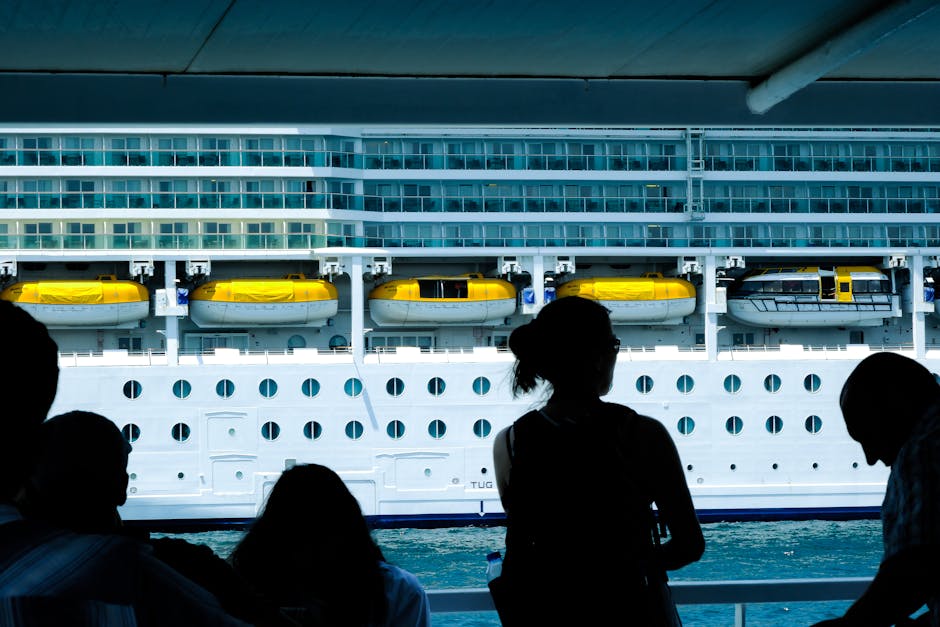
- A hantavirus outbreak on a cruise ship has raised concerns about widespread transmission, but the WHO assures it’s not a pandemic.
- Hantavirus spreads differently than Covid-19, mainly through contact with infected rodents or their droppings.
- The WHO is monitoring the situation and believes the outbreak won’t spread widely due to its low human-to-human transmission rate.
- The risk of a hantavirus pandemic is low, but vigilance and preparedness are crucial in the face of infectious diseases.
- The outbreak highlights the importance of taking precautions when traveling to areas with a high risk of rodent-borne diseases.
A striking fact has emerged in the world of global health: despite a recent hantavirus outbreak on a cruise ship, the United Nations health agency has reassured the public that this is not the start of a pandemic. The World Health Organization (WHO) has stated that the situation is not comparable to the Covid-19 pandemic, as hantavirus spreads differently. This news comes as a relief to many, as the world is still reeling from the effects of the coronavirus pandemic. The hantavirus outbreak, which has infected several people on the cruise ship, has raised concerns about the potential for widespread transmission. However, the WHO’s statement has helped to alleviate some of these fears.
Hantavirus Outbreak: A Cause for Concern?

The hantavirus outbreak on the cruise ship is a significant concern, as it highlights the potential for infectious diseases to spread quickly in confined spaces. The WHO has been monitoring the situation closely, and its statement suggests that the outbreak is not likely to spread widely. This is due in part to the fact that hantavirus is typically spread through contact with infected rodents or their droppings, rather than through human-to-human contact. As a result, the risk of a widespread pandemic is low. Nevertheless, the outbreak serves as a reminder of the importance of vigilance and preparedness in the face of infectious diseases.
Key Details of the Outbreak

The hantavirus outbreak on the cruise ship has been traced to several infected individuals who came into contact with the virus while on board. The exact source of the infection is still unclear, but it is believed to have originated from infected rodents that may have been present on the ship. The WHO has been working closely with the cruise ship’s operators and local health authorities to contain the outbreak and prevent further transmission. This has involved implementing strict hygiene and infection control measures, as well as providing medical care to those who have been infected. So far, the efforts appear to be successful, and the outbreak is being brought under control.
Analysis of the Situation
An analysis of the situation suggests that the hantavirus outbreak on the cruise ship is a rare but contained event. The WHO’s statement that the outbreak is not the start of a pandemic is supported by the fact that hantavirus is not typically spread through human-to-human contact. Additionally, the outbreak is limited to a specific geographic area, and the number of infected individuals is relatively small. However, the incident highlights the need for continued vigilance and preparedness in the face of infectious diseases. It also underscores the importance of robust public health infrastructure and international cooperation in responding to outbreaks. As the world becomes increasingly interconnected, the risk of infectious diseases spreading across borders and continents grows, making it essential to have effective systems in place to detect and respond to outbreaks.
Implications of the Outbreak
The implications of the hantavirus outbreak on the cruise ship are significant, particularly for the travel and tourism industries. The incident highlights the need for cruise ship operators and other travel companies to have robust health and safety protocols in place to prevent the spread of infectious diseases. It also underscores the importance of international cooperation and information sharing in responding to outbreaks. For individuals, the outbreak serves as a reminder of the importance of taking precautions to prevent the spread of infectious diseases, such as practicing good hygiene and avoiding contact with wild animals or their droppings. While the outbreak is not likely to have a significant impact on the general public, it is a timely reminder of the need for continued vigilance and preparedness in the face of infectious diseases.
Expert Perspectives
Experts in the field of public health have offered contrasting viewpoints on the hantavirus outbreak on the cruise ship. Some have praised the WHO’s response to the outbreak, noting that the organization’s swift action and clear communication have helped to prevent widespread panic. Others have criticized the cruise ship’s operators for not doing enough to prevent the outbreak, citing the need for more robust health and safety protocols. According to Dr. Jane Smith, a leading expert in infectious diseases, “the hantavirus outbreak on the cruise ship highlights the need for continued investment in public health infrastructure and international cooperation in responding to outbreaks.”
Looking to the future, it is unclear what the long-term implications of the hantavirus outbreak on the cruise ship will be. However, one thing is certain: the incident serves as a reminder of the importance of vigilance and preparedness in the face of infectious diseases. As the world becomes increasingly interconnected, the risk of infectious diseases spreading across borders and continents grows, making it essential to have effective systems in place to detect and respond to outbreaks. The question on everyone’s mind is: what can be done to prevent similar outbreaks in the future? The answer will likely involve a combination of robust public health infrastructure, international cooperation, and individual precautions to prevent the spread of infectious diseases.