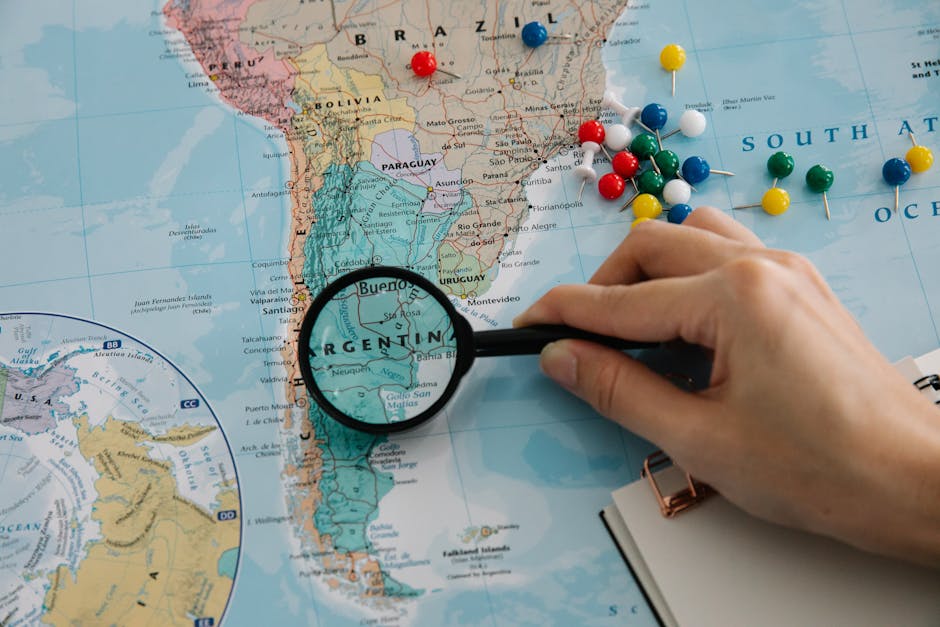
- Argentina faces a severe economic crisis marked by a staggering 90% inflation rate over the past year, impacting citizens’ ability to afford necessities.
- The Argentine peso has depreciated significantly, contributing to the challenging economic climate and making imports increasingly expensive.
- Rising poverty rates, coupled with the government’s austerity measures and IMF conditions, have failed to stabilize the struggling economy.
- The country’s debt burden and inability to adequately provide for its citizens are key factors driving the ongoing economic turmoil.
- Analysts predict a substantial contraction of Argentina’s economy, potentially exceeding 10% this year, further deepening the crisis.
The streets of Buenos Aires are filled with the sounds of protest and discontent as Argentina’s economic crisis continues to worsen. The once-thriving economy has been plagued by high inflation, with prices rising by over 90% in the past year alone. The Argentine peso has lost significant value, making it difficult for citizens to afford basic necessities. As the country struggles to stay afloat, the leadership of Javier Milei is being called into question, with many wondering if he has the solutions to pull Argentina out of this economic quagmire.
The Current State of Argentina’s Economy

Argentina’s economic situation is dire, with the country struggling to pay its debts and provide for its citizens. The inflation rate is one of the highest in the world, and the poverty rate has risen significantly. The government has implemented austerity measures, but they have had little effect on the economy. The International Monetary Fund (IMF) has provided financial assistance, but it has come with strict conditions that have further exacerbated the economic woes. As the situation continues to deteriorate, many are left wondering what the future holds for Argentina and its people. According to a report by Reuters, the country’s economy is expected to contract by over 10% this year.
A History of Economic Instability

Argentina’s economic troubles are not new, and the country has a long history of instability. In the 1990s, Argentina experienced a severe economic crisis, which led to widespread protests and unrest. The country has also struggled with corruption and mismanagement, which has further contributed to its economic woes. In recent years, Argentina has experienced a series of economic shocks, including a major debt crisis in 2020. The country has been unable to recover from these shocks, and its economy continues to struggle. As noted by Wikipedia, Argentina has a complex and tumultuous economic history.
The Key Players in Argentina’s Economic Crisis

Javier Milei, the current leader of Argentina, is a key player in the country’s economic crisis. Milei has implemented a series of economic reforms, but they have had little effect on the economy. He has also faced criticism for his handling of the crisis, with many accusing him of being out of touch with the needs of the Argentine people. Other key players include the IMF, which has provided financial assistance to the country, and the Argentine business community, which has been affected by the economic crisis. As reported by BBC, Milei’s leadership is under scrutiny as the country struggles to recover.
The Consequences of Argentina’s Economic Crisis

The consequences of Argentina’s economic crisis are far-reaching and devastating. The high inflation rate has made it difficult for citizens to afford basic necessities, and the poverty rate has risen significantly. The economic crisis has also had a major impact on the country’s business community, with many businesses struggling to stay afloat. The crisis has also had a major impact on the country’s infrastructure, with many public services struggling to operate effectively. As noted by AP News, the economic crisis has had a disproportionate impact on the country’s most vulnerable citizens.
The Bigger Picture
Argentina’s economic crisis is not just a national issue, but a regional and global one. The crisis has had a major impact on the Latin American economy, and has also affected the global economy. The crisis has also highlighted the need for economic reform and stability in the region, and has sparked a wider debate about the role of the IMF and other international organizations in addressing economic crises. As reported by The New York Times, the crisis has significant implications for the global economy.
In conclusion, Argentina’s economic crisis is a complex and multifaceted issue, with far-reaching consequences for the country and its people. As the situation continues to deteriorate, it is clear that urgent action is needed to address the crisis and provide a sustainable solution for the country’s economic woes. The future of Argentina hangs in the balance, and it remains to be seen what the outcome will be. As noted by The Guardian, the crisis is a wake-up call for the country and its leaders to take action and implement meaningful economic reforms.
Source: Economist