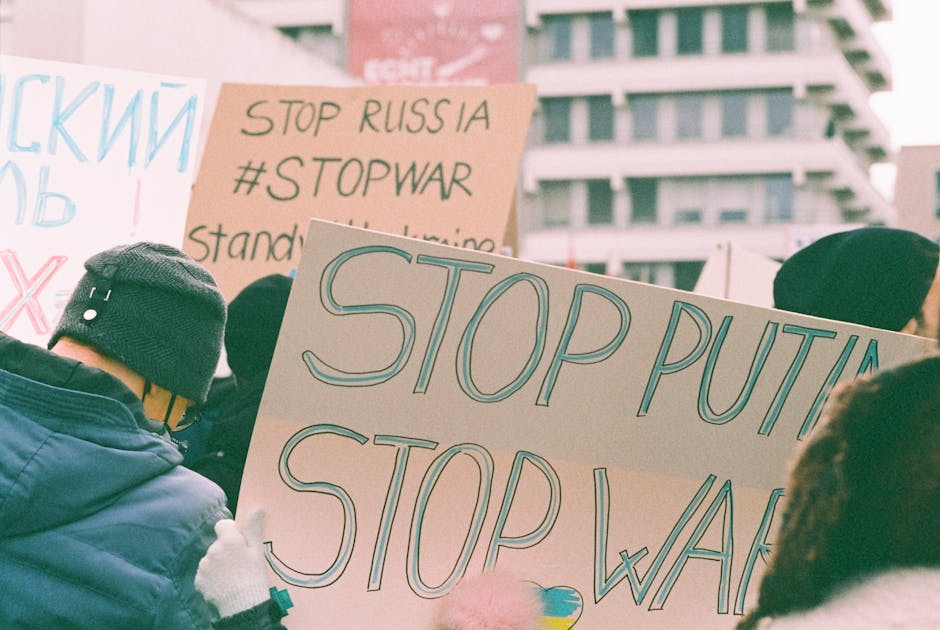
- Russia has significantly increased its attempts to kill opponents in Europe, with at least a dozen suspected plots uncovered in the past year.
- Western governments are warning of a heightened threat from Russian operatives, citing a worrying escalation of Russia’s efforts to silence critics.
- Russia’s recent surge in activity is linked to its ongoing conflict with Ukraine and desire to disrupt Western support for the Ukrainian government.
- Intelligence officials believe Russia is seeking to create a climate of fear among opponents, making it harder for them to speak out against the Kremlin’s actions.
- Several high-profile incidents have highlighted the threat posed by Russian operatives in Europe, including a recent arrest in Germany.
Russia is ramping up its attempts to kill opponents in Europe, intelligence officials say, with a significant increase in alleged assassination attempts and plots uncovered in recent months. This surge in activity has raised concerns among Western governments, who are warning of a heightened threat from Russian operatives. According to sources, there have been at least a dozen suspected Russian-backed plots to kill or harm opponents in Europe over the past year, with several more currently under investigation. The trend is seen as a worrying escalation of Russia’s efforts to silence its critics and opponents abroad.
Background and Motivations

The increase in Russian attempts to kill opponents in Europe is seen as part of a broader campaign by the Kremlin to intimidate and silence its critics. Russia has long been accused of using violence and intimidation to suppress opposition, both at home and abroad. However, the recent surge in activity is thought to be linked to Russia’s ongoing conflict with Ukraine and its desire to disrupt Western support for the Ukrainian government. Intelligence officials believe that Russia is seeking to create a climate of fear among its opponents, making it more difficult for them to speak out against the Kremlin’s actions.
Key Details and Incidents

Several high-profile incidents have highlighted the threat posed by Russian operatives in Europe. In one recent case, a suspected Russian agent was arrested in Germany on suspicion of plotting to kill a Georgian politician. In another, a Russian diplomat was expelled from the Netherlands after being accused of involvement in a plot to assassinate a Chechen rebel leader. These incidents have sparked concerns among European governments, who are warning of a heightened threat from Russian spies and assassins. The international community is calling for increased cooperation and vigilance to counter the Russian threat.
Analysis and Implications

Experts believe that the increase in Russian attempts to kill opponents in Europe is a sign of the Kremlin’s growing desperation and frustration with its inability to achieve its goals through diplomatic means. The use of violence and intimidation is seen as a classic tactic of authoritarian regimes, designed to create a climate of fear and suppress opposition. However, the strategy is also seen as highly risky, with the potential to backfire and further galvanize opposition to the Kremlin. According to analysts, the trend is likely to continue, with Russia seeking to exploit divisions within Europe and undermine Western support for Ukraine.
Consequences and Fallout

The implications of Russia’s actions are far-reaching, with the potential to destabilize entire regions and create a climate of fear among opponents of the Kremlin. The trend is also likely to have significant consequences for Russia itself, with the potential to further isolate the country and damage its relations with the West. As the international community grapples with the challenge posed by Russia, there are growing calls for increased cooperation and vigilance to counter the threat. The situation is complex and multifaceted, with no easy solutions in sight.
Expert Perspectives
Experts are divided on the best way to respond to the Russian threat, with some calling for increased sanctions and others advocating for a more diplomatic approach. According to one expert, the key to countering the Russian threat is to create a united front among European governments, with a clear and consistent message that violence and intimidation will not be tolerated. Others argue that the focus should be on supporting opponents of the Kremlin, providing them with the resources and protection they need to continue their work. The debate is ongoing, with no clear consensus in sight.
Looking to the future, the situation is highly uncertain, with the potential for further escalation and violence. As the international community seeks to respond to the Russian threat, there are growing calls for increased vigilance and cooperation. One thing is clear: the trend of Russian attempts to kill opponents in Europe is a worrying development that requires a strong and coordinated response. The coming months will be crucial in determining the outcome of this crisis, with the potential for significant consequences for Russia, Europe, and the wider world.
Source: AP News