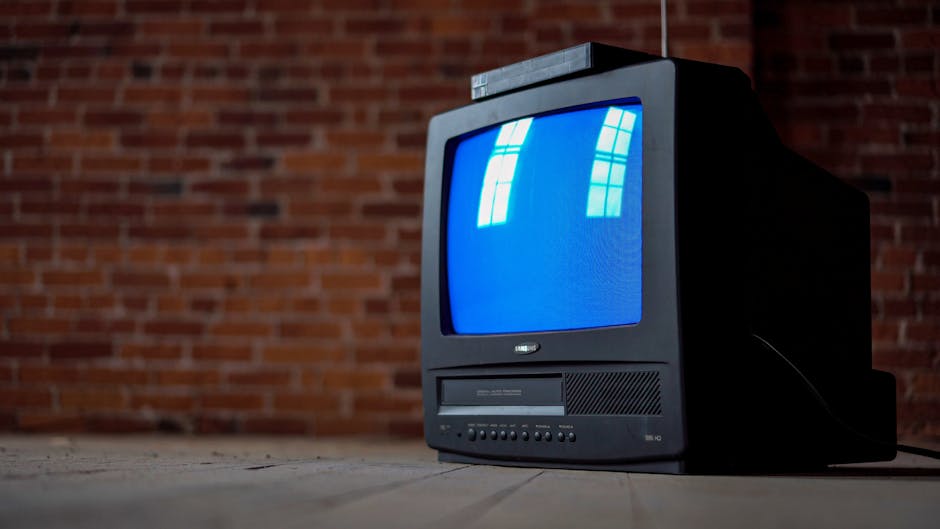
- Roku and TCL are facing allegations of intentionally bricking their smart TV devices through software updates.
- The controversy has raised concerns about the companies’ commitment to product support and potential engagement in planned obsolescence.
- Numerous customer reports and studies suggest that planned obsolescence is a common practice in the tech industry.
- Roku and TCL have been accused of intentionally limiting the lifespan of their products through software updates.
- The situation highlights the need for greater transparency and accountability in the tech industry regarding software updates.
Executive summary: Roku and TCL, two prominent players in the smart TV market, are facing allegations of intentionally bricking their devices through software updates, leaving customers with useless products. This controversy has sparked widespread outrage and raised significant concerns about the companies’ commitment to product support and their potential engagement in planned obsolescence. As the situation unfolds, it highlights the need for greater transparency and accountability in the tech industry regarding software updates and their impact on consumer devices.
Evidence of Bricking

There have been numerous reports from customers who claim that after installing software updates on their Roku and TCL smart TVs, their devices ceased to function properly or were completely bricked. These accounts are supported by hard data and numbers from various sources, including studies on planned obsolescence, which suggest that the practice of intentionally limiting the lifespan of products is more common than previously thought. Primary sources, such as customer reviews and forums, provide firsthand evidence of the issue, with many users detailing their experiences and the frustrations they’ve encountered in seeking resolutions from the companies.
Key Players and Their Roles

The key actors in this scenario are Roku and TCL, both of which have significant stakes in the smart TV market. Roku, known for its streaming devices and smart TV operating system, and TCL, a major manufacturer of smart TVs, have recently made moves to expand their market share and integrate more advanced technologies into their products. However, their recent software updates have been at the center of the bricking allegations, leading to questions about their quality control processes and commitment to customer satisfaction. The companies’ responses to these allegations will be crucial in determining their future reputations and customer trust.
Trade-Offs and Implications

The controversy surrounding Roku and TCL’s software updates highlights the trade-offs between innovation, customer satisfaction, and corporate profit. On one hand, frequent software updates are essential for maintaining the security and functionality of smart devices, reflecting the companies’ efforts to innovate and stay competitive. On the other hand, the potential for these updates to brick devices poses significant risks to customers, including financial loss and environmental impact due to the premature disposal of electronic waste. The benefits of planned obsolescence to companies, such as increased sales of new products, must be weighed against the costs and ethical implications of such practices.
Timing and Context

The timing of these allegations is particularly noteworthy, given the current climate of increased awareness about consumer rights, environmental sustainability, and corporate accountability. The recent surge in smart TV sales, coupled with advancements in streaming technology, has placed companies like Roku and TCL under scrutiny regarding their product support and environmental policies. The fact that these allegations are coming to light now suggests a growing demand for transparency and a shift in consumer expectations towards more sustainable and responsible business practices.
Where We Go From Here
Looking ahead to the next 6-12 months, there are several possible scenarios. Firstly, Roku and TCL could take immediate action to address the bricking issue, issue refunds or replacements to affected customers, and implement stricter quality control measures to prevent similar incidents in the future. Secondly, regulatory bodies might step in to investigate the allegations, potentially leading to new guidelines or laws governing software updates and planned obsolescence. Lastly, the controversy could lead to a significant shift in consumer behavior, with buyers becoming more cautious about the smart TVs they purchase and the companies they support, potentially altering the market landscape.
Bottom line: The accusations against Roku and TCL of bricking smart TVs through software updates underscore the urgent need for the tech industry to prioritize transparency, customer satisfaction, and sustainability, lest it faces not only reputational damage but also legal and regulatory repercussions that could reshape the future of consumer electronics.
Source: Extremetech