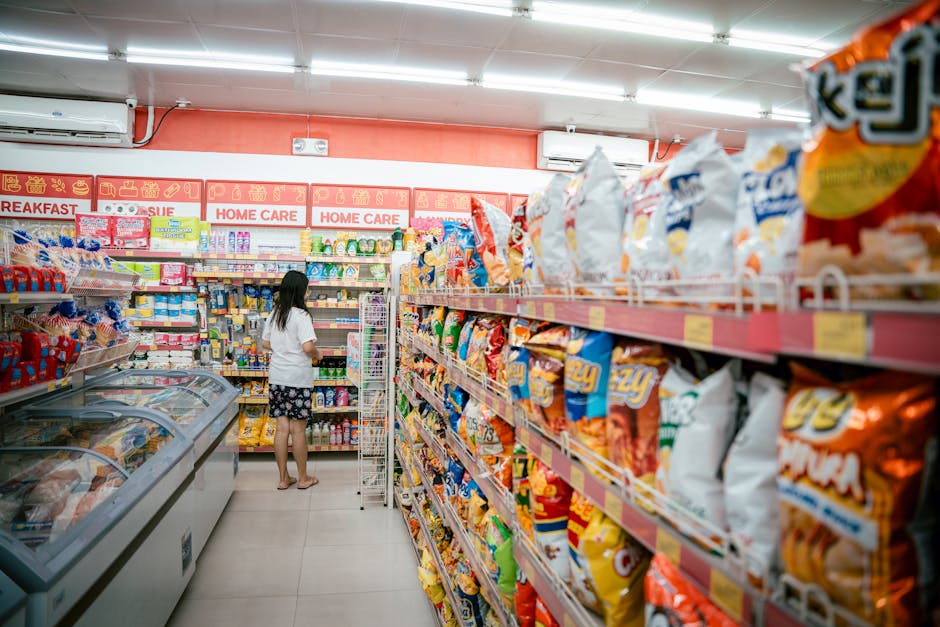
- Cooking at home helps reduce ultra-processed food consumption, leading to a lower risk of chronic diseases.
- Prepared meals from scratch allow individuals to control ingredients and nutritional content, promoting better health.
- Ultra-processed foods account for 60% of daily energy intake in many countries, prompting cardiologist groups to issue a warning.
- Reducing UPF intake can mitigate its harmful effects on human health, including inflammation, oxidative stress, and metabolic dysfunction.
- Prioritizing whole, nutrient-dense foods over ultra-processed foods is crucial for maintaining heart health and preventing diseases.
A striking fact has emerged in the realm of nutrition: ultra-processed foods (UPF) account for approximately 60% of the average person’s daily energy intake in many countries. This alarming trend has prompted cardiologist groups to issue a ‘clinical consensus statement’ urging individuals to adopt healthier eating habits. One key recommendation is to cook more at home, as this simple act can significantly reduce UPF consumption and mitigate its harmful effects on human health. By preparing meals from scratch, individuals can better control the ingredients and nutritional content of their food, leading to a reduced risk of chronic diseases such as obesity, diabetes, and heart disease.
The Dangers of Ultra-Processed Food

The importance of addressing UPF intake cannot be overstated. These foods, which include packaged snacks, sugary drinks, and frozen meals, have been linked to an increased risk of various health problems. The high levels of added sugars, salt, and unhealthy fats in UPF can lead to inflammation, oxidative stress, and metabolic dysfunction. Furthermore, the processing and packaging of these foods often involve the use of artificial additives, preservatives, and other substances that can have deleterious effects on human health. As a result, cardiologist groups are emphasizing the need for individuals to become more mindful of their food choices and to prioritize whole, nutrient-dense foods over UPF.
Key Recommendations for a Healthier Diet

So, what can individuals do to reduce their UPF intake and promote better heart health? According to cardiologist groups, cooking at home more often is a crucial step. This allows individuals to select fresh, whole ingredients and to prepare meals that are tailored to their nutritional needs. Additionally, heart doctors are advising patients to avoid eating late at night, as this can disrupt the body’s natural circadian rhythms and lead to poor digestion and other health problems. Chewing food slowly and mindfully is also recommended, as this can help to reduce stress, improve digestion, and promote a sense of satiety and satisfaction. By following these simple tips, individuals can take a significant step towards reducing their UPF intake and improving their overall health and wellbeing.
Understanding the Science Behind Ultra-Processed Food

But why exactly are UPF so detrimental to human health? The answer lies in their nutritional content and the way in which they are processed and consumed. UPF are often high in empty calories, added sugars, and unhealthy fats, which can lead to a range of negative health effects. Moreover, the processing and packaging of these foods can involve the use of artificial additives and preservatives, which can have harmful effects on the body. For example, some UPF contain artificial sweeteners and flavor enhancers that have been linked to cancer, neurological disorders, and other health problems. By understanding the science behind UPF, individuals can make informed choices about their diet and reduce their risk of chronic disease.
Implications for Public Health

The implications of the cardiologist groups’ recommendations are far-reaching and significant. By reducing UPF intake and promoting healthier eating habits, individuals can lower their risk of chronic disease and improve their overall health and wellbeing. This, in turn, can have a positive impact on public health, reducing the burden on healthcare systems and promoting a healthier, more productive population. Moreover, the recommendations highlight the importance of education and awareness-raising initiatives, which can help to empower individuals to make informed choices about their diet and lifestyle. As the global health community continues to grapple with the challenges posed by UPF, the cardiologist groups’ statement serves as a timely reminder of the need for collective action and individual responsibility.
Expert Perspectives
Experts in the field of nutrition and public health are welcoming the cardiologist groups’ recommendations, citing the urgent need for action on UPF intake. According to Dr. Maria Rodriguez, a leading expert on nutrition and chronic disease, ‘the evidence is clear: UPF are a major contributor to the global burden of chronic disease. By cooking at home, avoiding late-night eating, and chewing slowly, individuals can take a significant step towards reducing their UPF intake and promoting better heart health.’ However, others have cautioned that more needs to be done to address the root causes of UPF consumption, including poverty, lack of access to healthy food, and aggressive marketing by the food industry.
As the debate over UPF continues to unfold, one thing is clear: individual action and collective responsibility are essential for promoting healthier eating habits and reducing the risks associated with UPF consumption. As we look to the future, it will be important to monitor trends in UPF intake and to continue to raise awareness about the importance of healthy eating habits. By working together, we can create a healthier, more sustainable food system that promotes the wellbeing of individuals and communities around the world. For more information on healthy eating and UPF, visit the World Health Organization’s website.
Source: The Guardian